Key Highlights
- Russia has demanded NATO revert to its 1997 positions.
- The request includes halting military aid to Ukraine.
- The demands were outlined in a document from peace talks in Abu Dhabi.
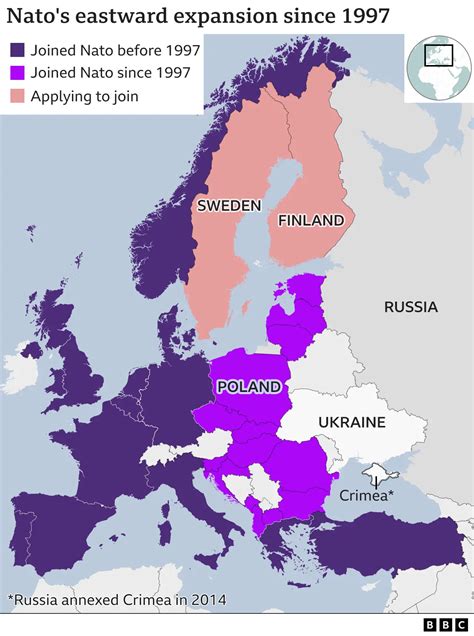
Russia has renewed its demands for NATO to return to its 1997 positions and cease military assistance to Ukraine, according to a document that emerged from recent peace talks held in Abu Dhabi. This unsigned paper reportedly outlines Moscow's opening position in negotiations, reflecting the Kremlin's ongoing concerns about NATO's expansion and military presence in Eastern Europe.
The document calls for NATO to halt further expansion and military activities in Ukraine and other regions, specifically urging the withdrawal of alliance forces from countries that joined NATO after 1997, including Poland and the Baltic states. This demand underscores Russia's long-standing apprehension regarding NATO's eastward expansion, which it perceives as a direct threat to its national security.
Russian officials have indicated that President Vladimir Putin may show some flexibility in negotiations, suggesting that there could be room for dialogue. However, the core demands reflect a hardline stance that has characterized Russia's approach to NATO since the onset of the Ukraine conflict. The insistence on reverting to 1997 positions is seen as a non-starter by many NATO members, who view the alliance's presence in Eastern Europe as a necessary deterrent against Russian aggression.
The backdrop of these demands is the ongoing conflict in Ukraine, which has escalated since Russia's annexation of Crimea in 2014. NATO has significantly increased its military presence in Eastern Europe in response to perceived threats from Russia, leading to heightened tensions between the alliance and Moscow. The current peace talks in Abu Dhabi represent a critical juncture in these relations, as both sides seek to navigate a path forward amidst ongoing hostilities.
As the situation develops, the international community will be closely monitoring the outcomes of these negotiations. The implications of Russia's demands could have far-reaching consequences for the security landscape in Europe and the broader geopolitical dynamics at play. NATO's response to these demands will be pivotal in shaping the future of its relationship with Russia and the stability of the region.
Published by Banx Network. This article is part of the Banx decentralized media programme, powered by the BXE token on the XRP Ledger.