
Key Highlights
- Russia's gasoline production has dropped by 25% due to drone strikes.
- The country is now importing gasoline from India to address shortages.
- New tax code amendments will subsidize imports to support oil companies.
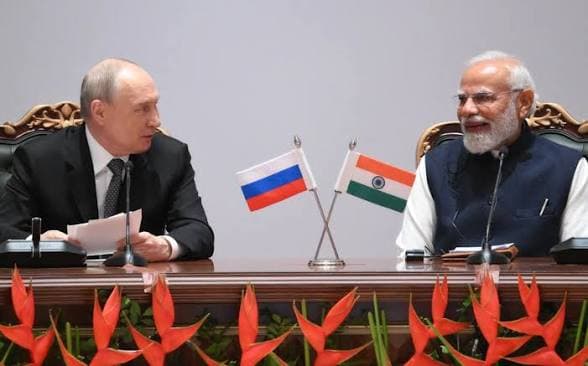
Russia is increasingly turning to India for gasoline supplies as its domestic production faces significant challenges. Following a series of drone strikes targeting oil refineries in Ukraine, Russian gasoline output has reportedly fallen by approximately 25%. This decline has prompted the Kremlin to seek alternative sources to meet domestic demand, particularly as the summer months typically see a spike in fuel consumption.
In response to the production shortfall, Russia has initiated seaborne gasoline imports from India and is planning to expand these shipments significantly. Reports indicate that the Russian government is considering amendments to its Tax Code that would introduce budget subsidies for oil companies that import gasoline from abroad. These subsidies would be linked to the prevailing gasoline prices in India and the estimated shipping costs from Indian ports to Russia.
The decision to import gasoline is a direct consequence of the damage inflicted on Russian refineries, which has led to reduced refining runs. Industry insiders have noted that while Russia has attempted to fill the gap through other supply routes, such as imports from Belarus, these efforts have proven insufficient. Consequently, India has emerged as a viable alternative source for gasoline, allowing Russia to mitigate the impact of its production decline.
The implications of this shift extend beyond just gasoline. The ongoing fuel crisis in Russia is beginning to affect various sectors, including aviation, where tighter supplies and rising prices are becoming increasingly evident. As the situation develops, the reliance on Indian gasoline imports may reshape the dynamics of Russia's energy market and its relationships with key suppliers.
As the summer season approaches, the urgency for Russia to secure stable gasoline supplies will likely intensify. The introduction of subsidies for imported gasoline could also signal a broader strategy to adapt to the changing geopolitical landscape and the ongoing impacts of the conflict in Ukraine.
In summary, Russia's pivot towards India for gasoline imports underscores the significant challenges the country faces in maintaining its fuel supply amid external pressures. The potential for increased collaboration with India in the energy sector may also have lasting implications for both nations as they navigate the complexities of the global oil market.
Published by Banx Network. This article is part of the Banx decentralized media programme, powered by the BXE token on the XRP Ledger.



