Key Highlights
- Launch Date:Russia will officially implement the BRICS payment system in October 2025.
- Financial Independence:This initiative aims to reduce reliance on Western financial systems like SWIFT.
- Digital Innovation:The BRICS Pay system will facilitate instant international settlements among member nations.
The BRICS payment system is set to officially launch in October 2025, with Russia leading the initiative to establish a financial framework independent of Western-controlled platforms such as SWIFT. This move represents a significant step towards creating a decentralized financial infrastructure among BRICS nations, which include Brazil, Russia, India, China, and South Africa. As the world increasingly shifts towards a multipolar economic landscape, the BRICS payment system is expected to enhance cooperation and trade among its members.
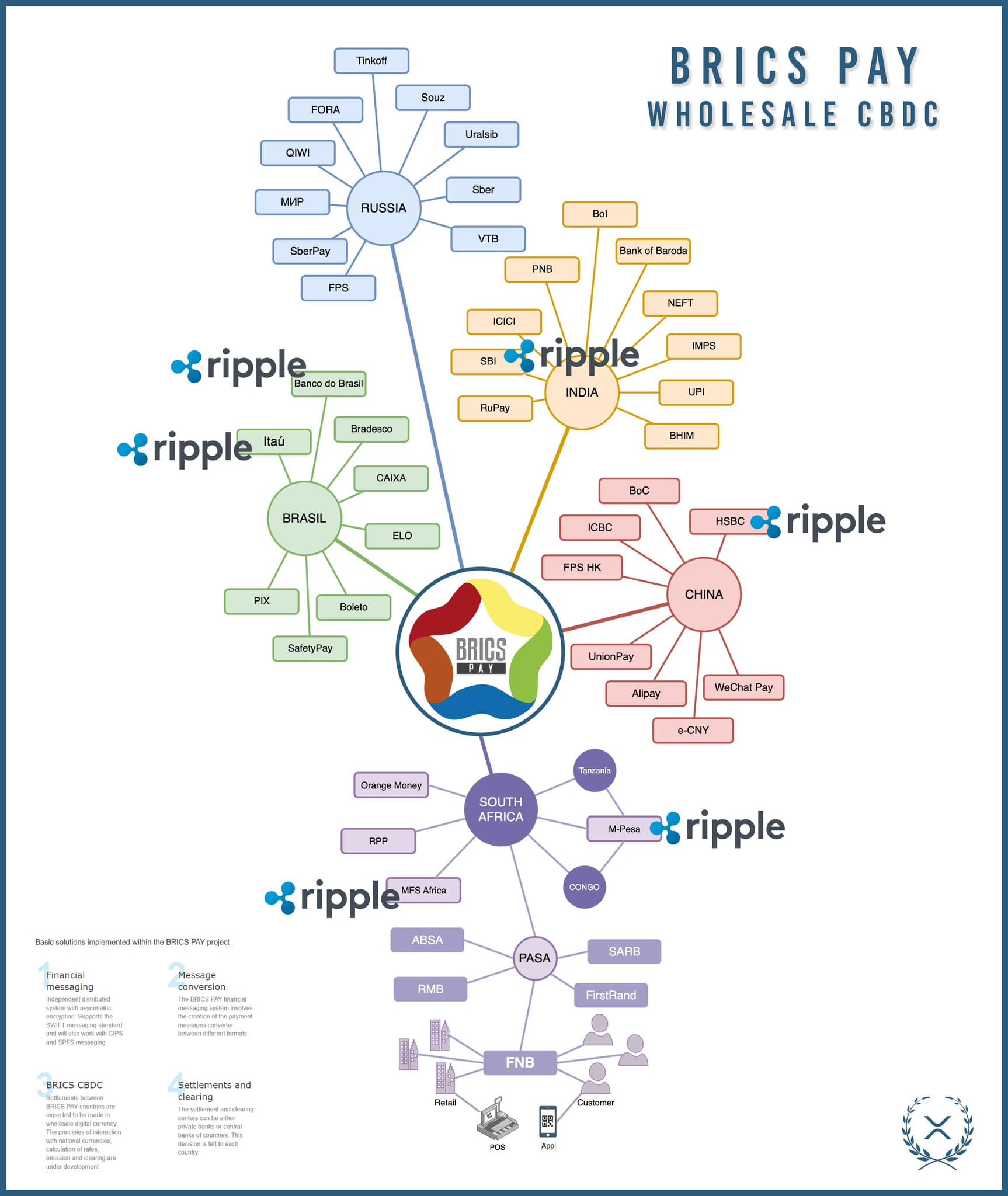
Central to this transition is the BRICS Pay system, designed to enable instant international settlements among member countries. This digital payment platform aims to streamline cross-border trade, minimize currency conversion costs, and bolster economic collaboration. The initiative is closely linked to the mBridge project, also known as BRICS Bridge, which explores the integration of multiple central bank digital currencies (CBDCs) to facilitate faster, transparent, and borderless transactions.
With BRICS Pay, users will eventually be able to conduct transactions across member states using digital wallets, QR codes, and interoperable national currencies. The system's architecture indicates a strong collaboration among central banks to develop a multi-CBDC framework, establishing a unified digital backbone for trade and finance.
Analysts view the BRICS payment system as a strategic response to global sanctions and the increasing momentum towards de-dollarization. The U.S. dollar currently dominates global reserves and settlements, but the BRICS initiative aims to create a new sovereign digital standard based on collective currency strength and a shared blockchain infrastructure.
Experts are also advocating for the integration of this new payment system with an electronic Special Drawing Rights (eSDR) model, which would digitally reimagine the International Monetary Fund's reserve asset. When harmonized with CBDCs, an eSDR framework could empower BRICS nations to balance global liquidity, issue digital bonds, and conduct cross-border settlements without relying on Western intermediaries.
If successful, the launch of the BRICS payment system could herald a new era in international monetary relations, shifting global economic power towards emerging economies that prioritize financial sovereignty. As Russia spearheads this initiative, other BRICS nations are expected to follow suit, paving the way for a fully digital and de-dollarized financial ecosystem by the late 2020s.
Published by Banx Network. This article is part of the Banx decentralized media programme, powered by the BXE token on the XRP Ledger.