
Key Highlights
- IVF Funding:Russia will provide IVF treatment for widows of soldiers killed in Ukraine.
- Demographic Concerns:The initiative aims to address both military casualties and declining birth rates.
- Government Support:This policy is part of a broader strategy to support families affected by the war.
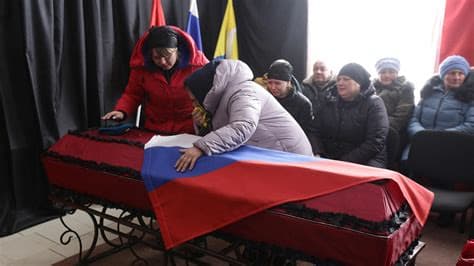
Russia has announced a new initiative to fund in vitro fertilization (IVF) treatments for widows of soldiers who have died in the ongoing conflict in Ukraine. This policy is designed to address the dual challenges of increasing battlefield casualties and a demographic crisis that has been exacerbated by the war. As the number of military deaths continues to rise, the Russian government is seeking ways to support the families left behind while also encouraging population growth.
The decision to fund IVF for these widows is part of a larger package of family and social support measures being discussed by Russian authorities. This initiative reflects a strategic approach to convert the grief and loss experienced by these families into a long-term plan for increasing birth rates. By providing reproductive healthcare support, the government aims to alleviate some of the financial burdens faced by widows, while simultaneously promoting a narrative of state compensation and care for those affected by the war.
This policy comes at a time when Russia is facing significant demographic challenges. The country has been experiencing a decline in birth rates for several years, a trend that has been further intensified by the ongoing conflict in Ukraine. As military casualties mount, the government is under pressure to find solutions that not only support grieving families but also contribute to stabilizing the population. The IVF funding initiative is seen as a proactive step in this direction, aiming to encourage childbirth among widows who may otherwise face economic and emotional hardships.
In addition to IVF funding, the Russian government is exploring other measures to support military families. These may include financial assistance, educational benefits for children, and healthcare services tailored to the needs of those who have lost loved ones in the conflict. By expanding benefits tied to military service, the government hopes to foster a sense of community and support among families affected by the war.
As the situation in Ukraine continues to evolve, the implications of this policy will be closely monitored. The effectiveness of the IVF funding initiative in addressing both the immediate needs of widows and the broader demographic concerns will be critical in shaping future government policies. Observers will be watching to see how this initiative is received by the public and whether it leads to an increase in birth rates among the targeted demographic.
In conclusion, Russia's decision to fund IVF for widows of soldiers killed in Ukraine represents a significant policy shift aimed at addressing the dual challenges of military casualties and declining birth rates. As the government seeks to support families affected by the war, this initiative may play a crucial role in shaping the future demographic landscape of the country.
Published by Banx Network. This article is part of the Banx decentralized media programme, powered by the BXE token on the XRP Ledger.



