

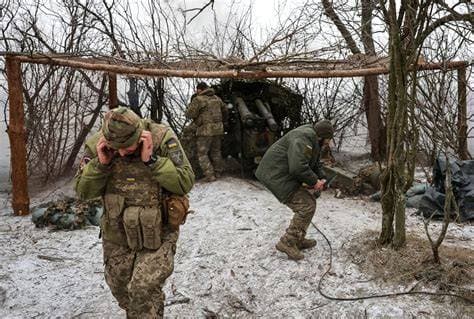
Key Highlights
- Ukraine has refused a ceasefire proposal from Russia.
- The ceasefire was intended for the handover of fallen soldiers' bodies.
- Kostiantynivka remains a contested area in the Donetsk region.
KYIV, Ukraine — Ukraine has officially rejected a ceasefire proposal from Russia that aimed to facilitate the handover of fallen Ukrainian soldiers' bodies in the eastern town of Kostiantynivka. This announcement was made by Russia’s Ministry of Defence on Sunday, escalating the ongoing tensions in the region.
According to Russian officials, military commanders informed President Vladimir Putin on Friday that Russian forces had taken control of Kostiantynivka. However, Ukrainian authorities have denied this claim, asserting that their forces continue to maintain control over the town. The conflicting narratives highlight the ongoing struggle for dominance in this strategically significant area of the Donetsk region.
Russia proposed a six-hour ceasefire in and around Kostiantynivka, setting a deadline for Ukraine to respond by 0900 GMT on Sunday. The ceasefire was intended to allow for the safe retrieval of the bodies of soldiers, a sensitive issue that has been a point of contention throughout the conflict. However, Ukraine's defence ministry and general staff did not immediately respond to requests for comment regarding the proposal.
Kostiantynivka has been a focal point in the ongoing conflict between Russia and Ukraine, with both sides recognizing its strategic importance. The town has seen heavy fighting, and control over it could significantly impact military operations in the region. The refusal of Ukraine to accept the ceasefire proposal may indicate a broader strategy to maintain pressure on Russian forces and assert its territorial integrity.
The situation in Kostiantynivka reflects the complexities of the ongoing war, where humanitarian concerns often clash with military objectives. The handover of fallen soldiers' bodies is a sensitive issue, and both sides have previously engaged in negotiations over such matters. However, the current refusal by Ukraine to halt shelling raises questions about the potential for future negotiations and the humanitarian implications of continued conflict.
As the situation develops, it remains to be seen how both sides will navigate the challenges of military engagement and the need for humanitarian considerations. The international community continues to monitor the situation closely, as the conflict in Ukraine remains a significant geopolitical issue with far-reaching consequences.
Published by Banx Network. This article is part of the Banx decentralized media programme, powered by the BXE token on the XRP Ledger.




