
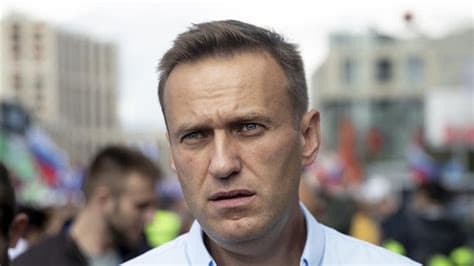
Key Highlights
- Russia's ambassador to the UK denies frog poison allegations.
- Claims relate to the poisoning of opposition leader Alexei Navalny.
- The incident has intensified discussions on political repression in Russia.
Russia’s ambassador to the UK has officially denied allegations that the Kremlin used frog poison in an attempt to assassinate opposition leader Alexei Navalny. These claims emerged following reports suggesting that this unusual substance was involved in Navalny's poisoning, which occurred in August 2020. Navalny, a prominent critic of President Vladimir Putin, fell severely ill last year, leading to widespread international condemnation and accusations directed at the Kremlin.
The ambassador dismissed these accusations as unfounded, arguing that they are part of a broader narrative targeting the Russian government. He emphasized that Russia would never resort to such methods, labeling the allegations as a reflection of ongoing geopolitical tensions between Russia and Western nations. This denial comes amid heightened scrutiny of Russia's actions on the international stage, particularly regarding its treatment of political dissidents.
Navalny's poisoning incident has been a pivotal moment in Russian politics, prompting significant backlash from Western governments and human rights organizations. Following his recovery, Navalny returned to Russia, where he was immediately arrested, sparking further protests and calls for justice. His case has become emblematic of the risks faced by political opponents in Russia, raising concerns about the lengths to which the government may go to silence dissent.
The controversy surrounding Navalny's poisoning has intensified discussions regarding the safety of political dissidents in Russia. As tensions escalate between Russia and Western powers, the issue of political repression continues to dominate international discourse. The ambassador’s statements aim to refute claims of state-sponsored violence while highlighting the complexities of diplomatic relations in the current political climate.
The situation remains fluid, with ongoing scrutiny from international observers and human rights organizations. As the geopolitical landscape evolves, the implications of these allegations could have far-reaching effects on Russia's relations with the West and the future of political dissent within the country.
Published by Banx Network. This article is part of the Banx decentralized media programme, powered by the BXE token on the XRP Ledger.



