
Key Highlights
- Russian-linked forces recently faced setbacks in northern Mali.
- Local rebel groups have pushed back against Moscow's military presence.
- The evolving situation raises questions about Russia's long-term influence in the Sahel.
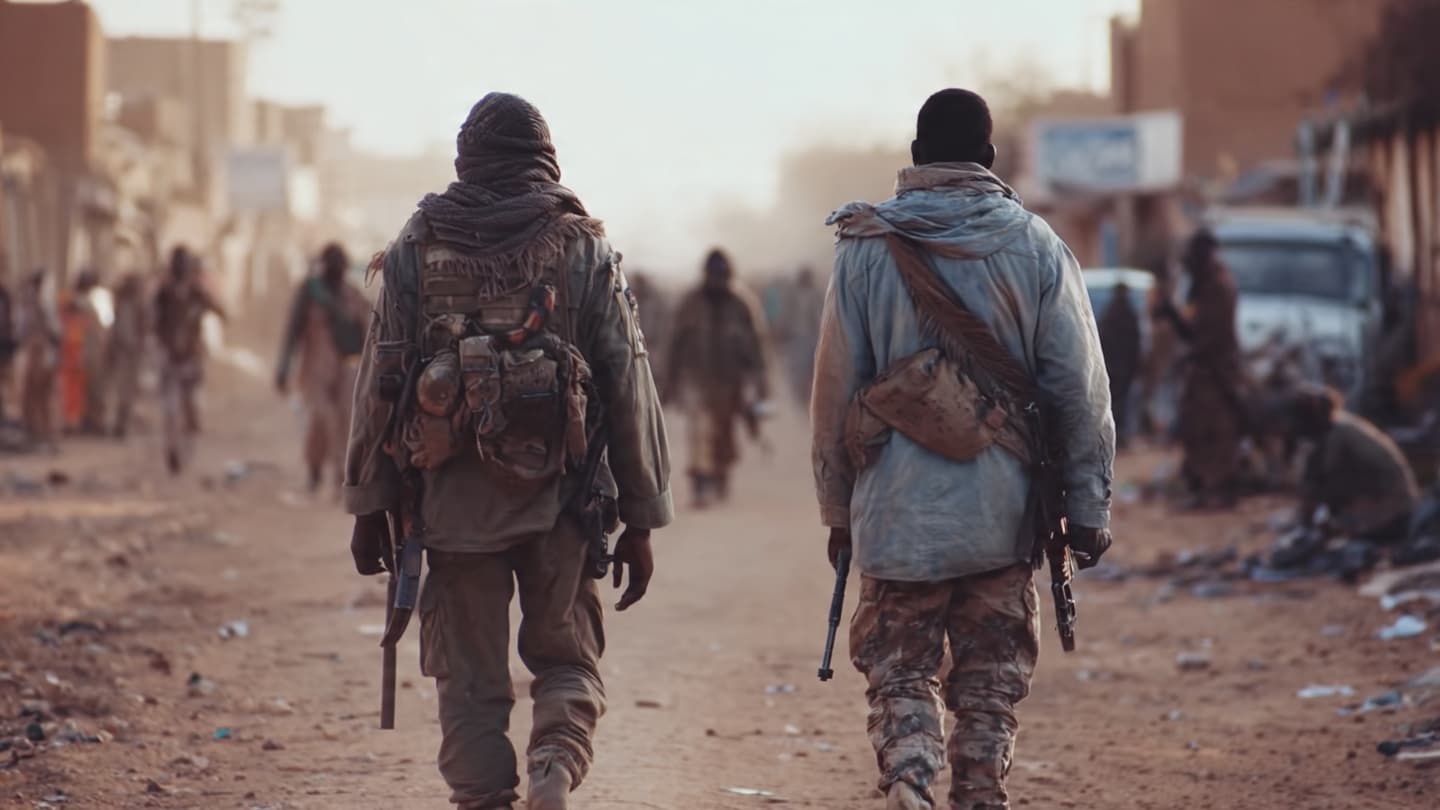
Recent developments in northern Mali have raised significant questions about the future of Russian influence in the Sahel region. Reports indicate that local rebel forces have successfully pushed Russian-linked fighters and their allied troops out of a key town, marking a notable shift in the balance of power. Witnesses described scenes of armed groups openly mocking the retreating forces, highlighting the growing challenges Moscow faces in maintaining its foothold in the area.
Over the past few years, Russia has expanded its presence in Africa through military cooperation agreements and partnerships with private military networks, notably those associated with the Wagner Group. Mali emerged as a crucial ally for Moscow, particularly after tensions escalated between the country's military leadership and Western governments, especially France. However, the recent military setbacks in Mali suggest that this partnership may be more fragile than previously thought.
The renewed fighting in northern Mali is reportedly linked to the resurgence of Tuareg separatist groups and other armed factions. Analysts emphasize that the region remains highly unstable, with various insurgent movements and extremist organizations vying for control in areas where state authority is often weak. This instability complicates the effectiveness of foreign military partnerships, which were initially presented as solutions to enhance security and stability.
For local communities, the shifting military dynamics have often resulted in increased uncertainty rather than the promised stability. Years of violence and displacement have strained humanitarian conditions, disrupted trade routes, and left many residents in precarious situations. Critics argue that military-focused strategies have failed to address the underlying political and economic grievances that fuel conflict in the region.
Moscow's broader strategy in Africa has been to position itself as an alternative partner to Western nations. This approach has included expanding security support alongside mining interests and political cooperation, often accompanied by anti-Western messaging. However, the recent military setbacks in Mali could undermine perceptions of Russia's reliability and effectiveness as a regional power.
As African governments navigate complex relationships with multiple international powers—including China, the United States, Turkey, and various European nations—alliances are becoming increasingly fluid. The implications of the recent events in Mali extend beyond the immediate conflict, reflecting broader geopolitical shifts that could reshape the landscape of international influence in the region.
Despite ongoing operations by Russian-backed forces in parts of the Sahel, the latest developments underscore the mounting challenges facing Moscow's influence. As fighting continues in northern Mali, regional authorities and international organizations are closely monitoring the evolving security situation, which could have far-reaching consequences for both local populations and foreign powers involved in the region.
Published by Banx Network. This article is part of the Banx decentralized media programme, powered by the BXE token on the XRP Ledger.



