
Key Highlights
- Date of Incident:March 17, 2026, when a strike occurred near Iran's Bushehr nuclear power plant.
- Rosatom's Response: The Russian state nuclear corporation condemned the attack and called for de-escalation.
- Safety Assurance:No injuries reported and radiation levels remain normal following the strike.
On March 17, 2026, Rosatom, the Russian state corporation responsible for nuclear energy, condemned a strike that took place on the territory adjacent to Iran's Bushehr nuclear power plant. The head of Rosatom, Aleksei Likhachev, stated, "We categorically condemn what has occurred and call on all sides in the conflict to use every effort to de-escalate the situation around the Bushehr nuclear power plant."
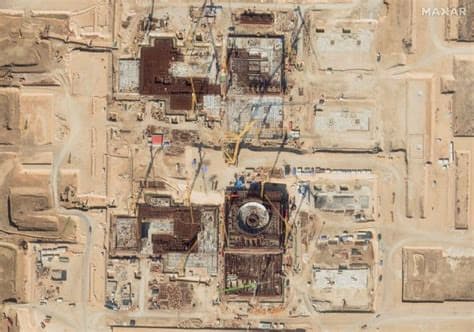
The strike reportedly impacted the area near the building of the metrological service, situated very close to the operating power unit of the facility. However, Rosatom confirmed that radiation levels remained normal and that there were no reported injuries among the staff at the plant. This assurance is crucial, considering the potential risks associated with nuclear facilities in conflict zones.
The Iranian Atomic Energy Organisation also confirmed that a projectile hit the area near the Bushehr nuclear plant, signaling the heightened tensions surrounding the site. The Bushehr plant has a complex construction history, originally begun by a German company in the 1970s and later completed by Russia, which adds to the geopolitical significance of the facility.
This incident comes at a time of increasing instability in the region, raising international concerns about the safety of nuclear facilities in conflict zones. The ongoing tensions between various factions in the Middle East have led to fears that such strikes could escalate into more significant conflicts, potentially jeopardizing nuclear safety.
Rosatom’s call for de-escalation emphasizes the need for dialogue and diplomatic solutions to prevent any potential nuclear incidents. The international community is closely monitoring the situation, as any further escalation could have dire consequences not only for Iran but for regional stability as a whole.
As the situation develops, it remains critical for all parties involved to prioritize safety and engage in constructive dialogue to mitigate risks associated with nuclear energy in volatile environments. The implications of this strike extend beyond immediate safety concerns, highlighting the intricate balance of power and the necessity for diplomatic engagement in the region.
Published by Banx Network. This article is part of the Banx decentralized media programme, powered by the BXE token on the XRP Ledger.



