
Key Highlights
- Reduced Display:Moscow's Victory Day parade featured fewer advanced military systems than in previous years.
- Symbolic Significance:The absence of certain weapons sparked discussions about military priorities amid ongoing conflict.
- Emotional Resonance:For many Russians, the day remains a tribute to personal and familial sacrifices rather than military might.
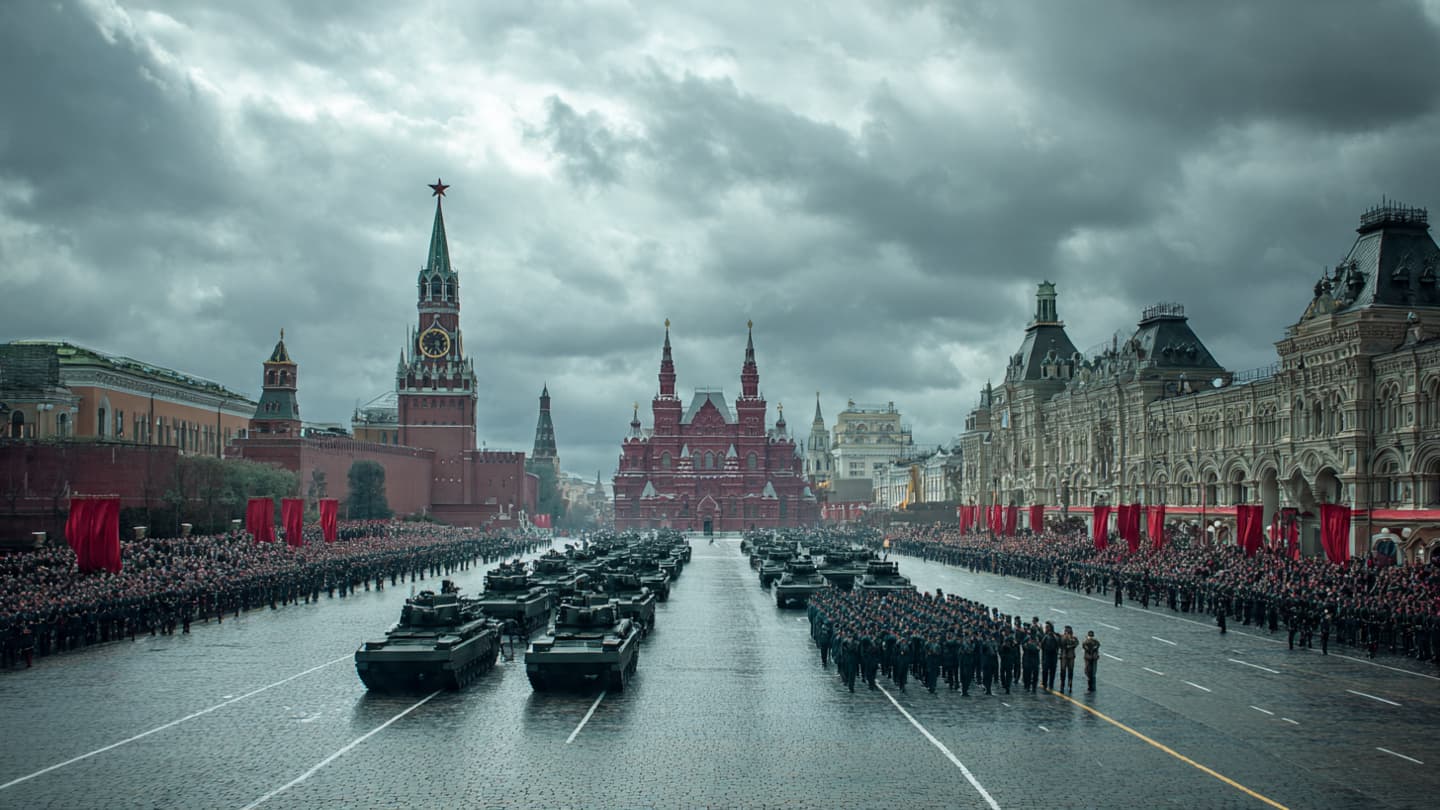
This year's Victory Day parade in Moscow, a significant event commemorating the Soviet Union's victory in World War II, unfolded with a notable absence of some of Russia's advanced military hardware. Traditionally, these parades serve as a showcase of national strength and pride, but this year's event reflected a quieter stage, raising questions about the implications of such omissions.
The celebration, held in Red Square, retained its traditional elements, including marching troops and speeches honoring wartime sacrifices. However, analysts observed that several advanced weapon systems, which have previously been displayed, were conspicuously missing. This reduction in military exhibition is believed to be linked to the ongoing demands of Russia's military operations in Ukraine, where equipment is prioritized for active deployment rather than ceremonial display.
Military parades in Russia have historically been used to project power and showcase new military technologies to both domestic and international audiences. The absence of modern systems during this year's parade has led to discussions about the shifting priorities of the Russian military, particularly in the context of prolonged conflict. Public ceremonies are often designed to convey resilience and continuity, yet they can also reveal the realities of resource allocation during wartime.
Despite the changes, the parade maintained its core elements, with veterans, soldiers, and state officials gathering under heavy security. Televised broadcasts emphasized themes of historical memory and national unity, framing the commemoration as a vital aspect of Russian identity. However, international observers interpreted the reduced display in various ways, with some viewing it as a practical adjustment to wartime realities, while others saw it as indicative of logistical challenges facing the Russian military.
The geopolitical context surrounding the parade is also significant. Sanctions, diplomatic tensions, and shifting global alliances have created an atmosphere where even ceremonial decisions carry broader political implications. The symbolism associated with military power and national prestige is particularly sensitive in this environment, influencing how the event is perceived both domestically and internationally.
For many ordinary Russians, however, Victory Day transcends military displays. It remains a deeply emotional occasion rooted in personal and familial memories of sacrifice and survival. Photographs of wartime relatives and public tributes to those who served are central to the day's significance, even as the focus shifts to military and political dimensions in the broader narrative.
As the ceremony concluded, the quieter presentation of military hardware conveyed a layered message—one shaped by history, conflict, and the ongoing realities of war that continue to influence both the battlefield and public rituals in Russia. The implications of this year's parade extend beyond mere military display, reflecting a complex interplay of national identity, memory, and the current state of affairs in a nation grappling with the challenges of war.
Published by Banx Network. This article is part of the Banx decentralized media programme, powered by the BXE token on the XRP Ledger.



