
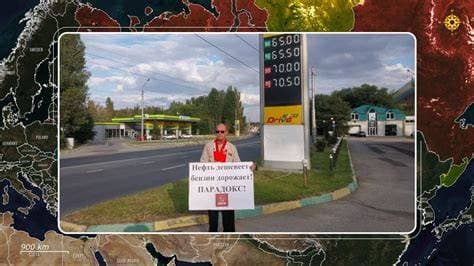
Key Highlights
- Fuel shortages in Moscow are worsening, leading to stricter purchase limits.
- Major oil companies Gazpromneft and Lukoil have implemented new restrictions.
- The crisis is linked to damage from Ukrainian drone strikes and logistical challenges.
Russia is currently grappling with a significant fuel crisis that has escalated in recent weeks, particularly affecting the Moscow region. Major oil companies, including Gazpromneft and Lukoil, have responded to the situation by imposing stricter purchase limits on customers at gas stations. This development underscores the increasing pressure on the country's fuel production and distribution systems, which have been severely impacted by ongoing disruptions related to attacks on energy infrastructure.
Reports indicate that customers in Moscow are now facing limitations on the amount of fuel they can purchase per transaction. These restrictions vary by fuel type, with separate caps for gasoline and diesel. Additionally, there are bans on purchasing fuel in portable canisters, a move aimed at curbing excessive buying amid the shortages. These measures reflect a significant shift in the availability of fuel in an area that was previously considered stable in terms of supply.
The worsening fuel crisis is closely linked to damage inflicted on Russia's fuel infrastructure, particularly due to Ukrainian drone strikes targeting refineries and logistics nodes. These attacks have not only disrupted production but have also complicated the logistics of fuel distribution across the country. As the conflict continues, the logistical challenges associated with wartime operations have further exacerbated the situation, forcing companies to prioritize supply to certain regions over others.
The restrictions in Moscow highlight a broader trend of fuel shortages that are no longer confined to isolated incidents but have evolved into a systemic issue affecting nearly all regions of Russia. The implications of this crisis extend beyond immediate fuel availability, as it raises concerns about the overall stability of the country's energy sector and its ability to meet domestic demands.
As the situation develops, it remains to be seen how these restrictions will impact consumers and businesses in Moscow and beyond. The ongoing crisis serves as a stark reminder of the vulnerabilities within Russia's energy infrastructure and the far-reaching consequences of the ongoing conflict.
Published by Banx Network. This article is part of the Banx decentralized media programme, powered by the BXE token on the XRP Ledger.



