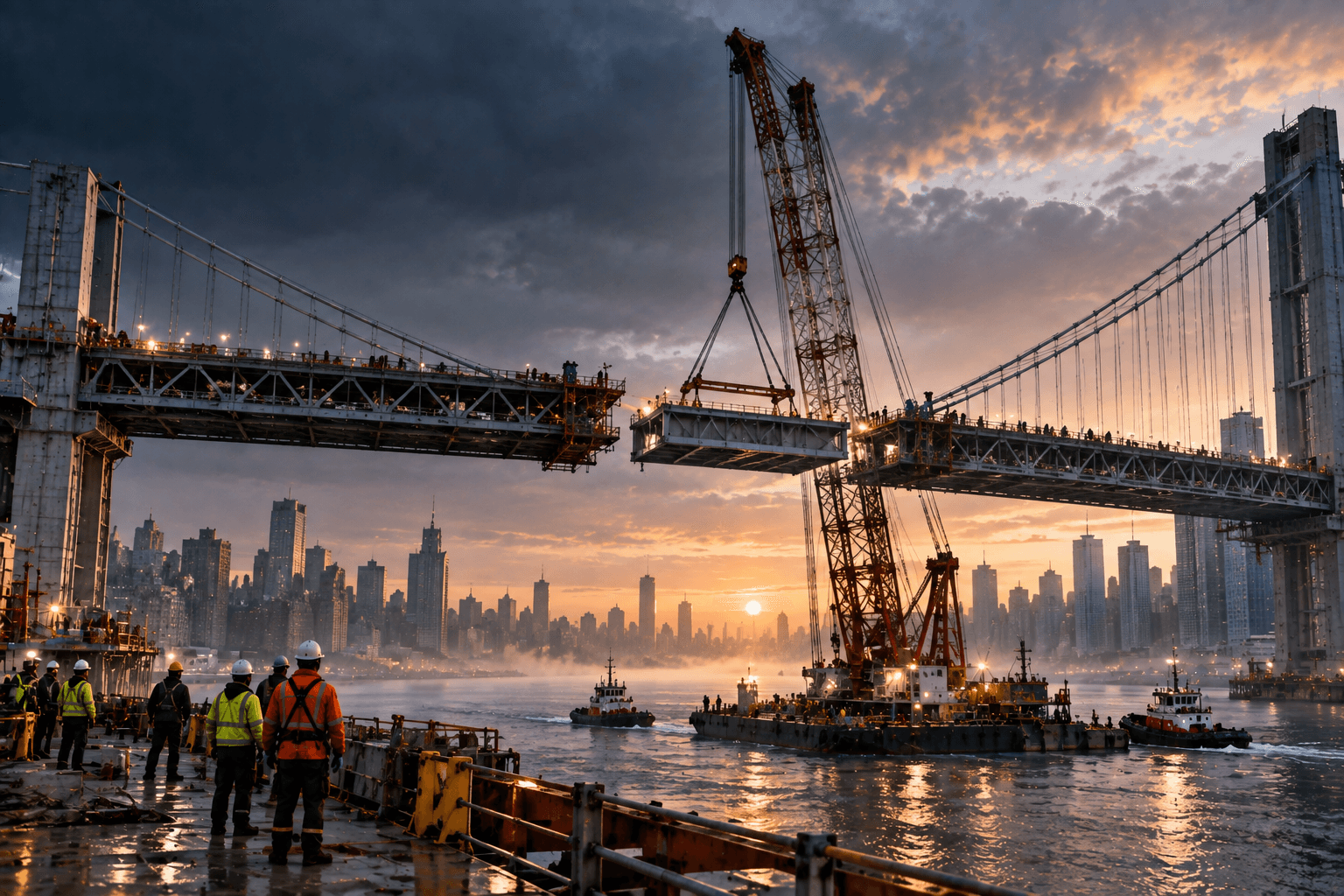
In the quiet hum of Moscow’s ministries, where marble halls once echoed with the certainty of oil and gas, a new conversation flickers — about code, nodes, and digital ledgers. Russia, long a watchful observer of the global crypto evolution, now finds itself on the cusp of transformation. As if standing before a river it once hesitated to cross, the country is preparing to wade into digital finance — but the bridge it’s building remains unfinished.
For years, crypto in Russia was treated as both promise and peril — a technology to harness but never to fully trust. Now, with sanctions reshaping trade routes and global finance shifting toward decentralization, that hesitation has turned into urgency.
According to statements from the Russian Ministry of Finance and reporting by Reuters, Deputy Finance Minister Ivan Chebeskov has called for faster completion of the country’s national crypto infrastructure — an ecosystem meant to serve not only the newly regulated crypto-mining industry but also cross-border payments and other blockchain-based activities.
The plan envisions a state-coordinated digital framework: regulated exchanges, domestic custody services, and settlement mechanisms that could function independently from Western-controlled financial systems. Officials argue that such a system would allow Russian companies to engage in international transactions using crypto assets while maintaining state oversight — a delicate balance between innovation and control.
This development is not happening in isolation. Across Russia, tech firms, miners, and private crypto associations have urged the government to accelerate the rollout. Industry experts describe the effort as a race — not against the West, but against obsolescence. “The longer the delay,” one fintech consultant noted, “the more ground Russia loses in shaping how its own digital markets function.”
Yet skepticism persists. The Central Bank of Russia, which long resisted crypto adoption, continues to warn about volatility, illicit flows, and the risk of bypassing traditional monetary policy. Still, momentum has shifted — and with global payment systems fragmenting under geopolitical strain, crypto has reemerged not merely as a speculative asset, but as a tool of economic survival.
The government’s challenge now lies in turning vision into code, policy into platform. Russia’s crypto infrastructure, once complete, could redefine how the country moves value — within its borders and beyond. But as with any bridge built over uncertain waters, the crossing will demand not only technology, but trust.
Visuals are created with AI tools and are not real photographs.*
Source : 1. Reuters 2. CoinCentral 3. MEXC News 4. CoinLaw 5. Russian Ministry of Finance (public statements)
Published by Banx Network. This article is part of the Banx decentralized media programme, powered by the BXE token on the XRP Ledger.