
Key Highlights
- Russian cargo plane lands in Cuba, raising alarms in Washington.
- The arrival echoes Cold War tensions and geopolitical maneuvering.
- Experts view this as part of Russia's strategy to challenge U.S. influence.
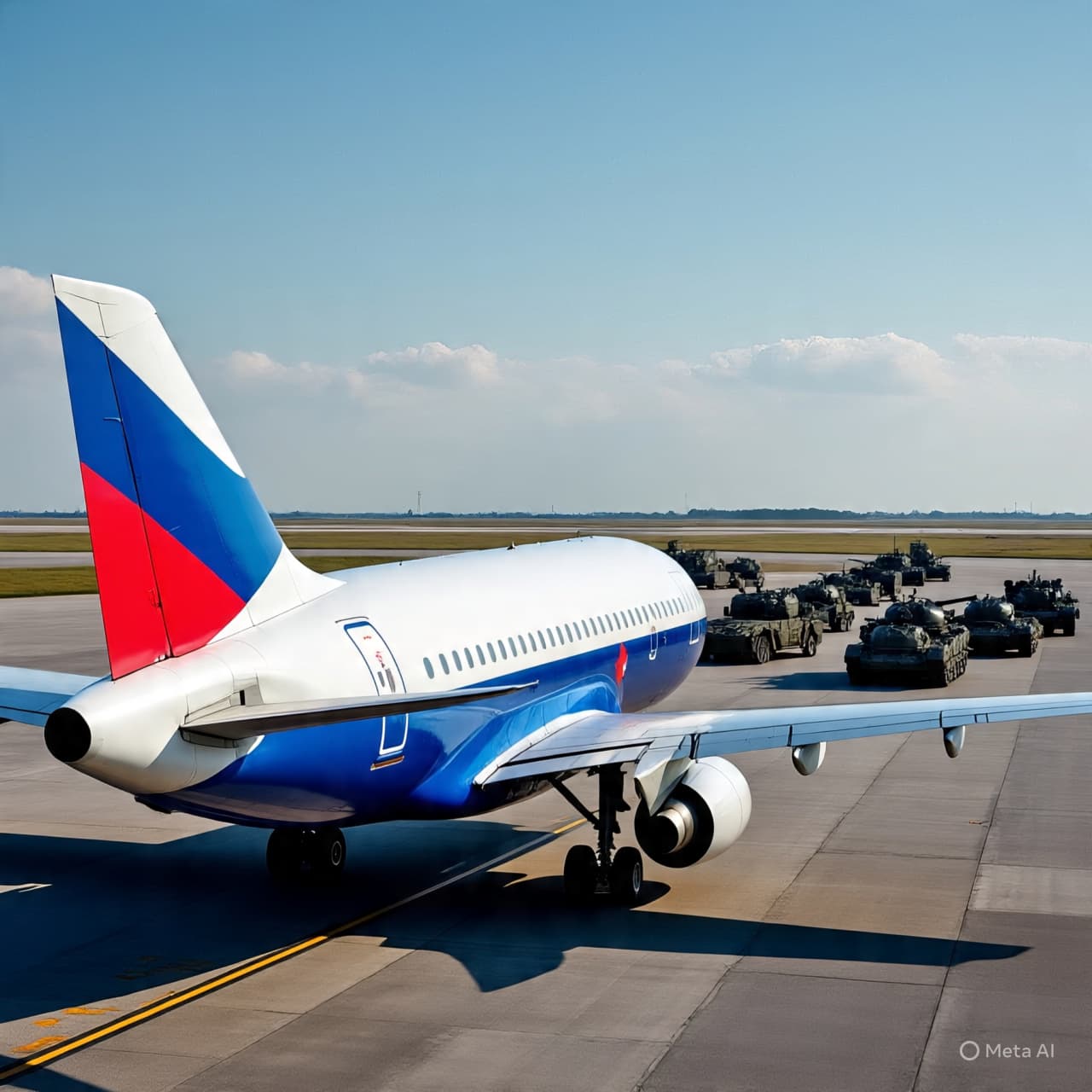
The skies above the Caribbean have grown tense once again, as a Russian cargo plane has landed in Cuba, raising fresh alarms in Washington and beyond. This arrival, which mirrors a previous buildup in Venezuela, is drawing the kind of attention that speaks to the complex geopolitical dance of today’s world. It’s a reminder that the Cold War never truly ended—it simply evolved, as great powers continue to jockey for influence in the Western Hemisphere.
For those who remember the Cuban Missile Crisis, the sight of Russian planes touching down in Cuba may evoke an eerie sense of déjà vu. Yet, today’s world is not the same as it was in the 1960s. The geopolitical landscape has shifted, with new alliances and different strategic pressures. Yet, the symbolism remains potent: Russia’s continued presence in Latin America serves as both a challenge and a statement to the United States, a demonstration of power projection and the desire for influence in a region that Washington has long considered its own sphere of influence. Will this signal the beginning of a new chapter in the tug-of-war between East and West in the Americas, or will it be yet another episode in the ongoing saga of Russia’s growing presence in the Western Hemisphere?
The Russian cargo plane's arrival in Cuba is the latest chapter in a long history of tense relations between the U.S. and Russia in the Caribbean. The plane, which was carrying supplies for Cuba, has caught the attention of both international observers and foreign policy experts, who are interpreting it as part of a broader strategy by Russia to solidify its influence in Latin America. This development echoes a similar buildup in Venezuela, where Russia has established a significant military and economic presence in recent years. Cuba, with its strategic location just 90 miles from the U.S. coast, has long been a focal point for Russian military and political maneuvering, dating back to the Cold War. While the Cuban government insists the cargo is for civilian purposes, many experts view these moves as part of a larger geopolitical strategy to challenge U.S. dominance in the region.
The timing of this cargo flight is particularly significant given the broader context of rising tensions between Russia and the West, particularly in the wake of the ongoing war in Ukraine. The U.S. has expressed concern that Russia may be attempting to establish a stronger foothold in the region as a counterbalance to NATO’s expansion and U.S. influence globally. Cuban and Russian officials have been increasingly vocal about their opposition to American foreign policy, making these symbolic moves more than just routine diplomatic exchanges.
For Russia, deepening ties with Cuba serves multiple purposes. First, it helps bolster its position in the Americas, signaling to the U.S. that Russia is not confined to Eastern Europe or the Middle East but is willing and able to project power globally. Secondly, it strengthens Russia’s influence over Cuba, which has been under a long-standing U.S. embargo, limiting its economic prospects. With the economic turmoil Cuba faces, Russian support has been invaluable in terms of providing alternative markets for trade and military cooperation.
Cuba, in turn, benefits from its relationship with Russia, which offers a potential lifeline to the island's struggling economy. Cuba’s government has long been resistant to U.S. demands, and the arrival of Russian cargo planes only underscores Havana’s desire to diversify its international alliances, moving away from sole dependence on the U.S. and strengthening ties with other global players. By facilitating this cargo shipment, Cuba signals its support for Russia’s broader geopolitical objectives, reinforcing the narrative that Latin American countries are not merely passive recipients of foreign aid but active participants in shaping their diplomatic futures.
The broader implications of Russia’s growing presence in Cuba and Latin America are profound. For the U.S., this shift poses a direct challenge to its long-standing dominance in the Western Hemisphere. The specter of Russian influence so close to American shores is unsettling, as it raises concerns about the possibility of military buildup, intelligence operations, and the expansion of Russian-backed networks throughout the region.
While there is no immediate indication that Russia intends to establish a significant military presence in Cuba, the cargo plane's arrival serves as a reminder of the ongoing geopolitical chess game between the U.S. and Russia, with Cuba once again at the center of the action.
Published by Banx Network. This article is part of the Banx decentralized media programme, powered by the BXE token on the XRP Ledger.



