
Key Highlights
- Russia has resumed military cargo shipments to Syria, marking a significant geopolitical shift.
- This is the first instance of such shipments since the ousting of President Bashar al-Assad.
- The move is expected to bolster the Syrian military's capabilities amid ongoing regional tensions.
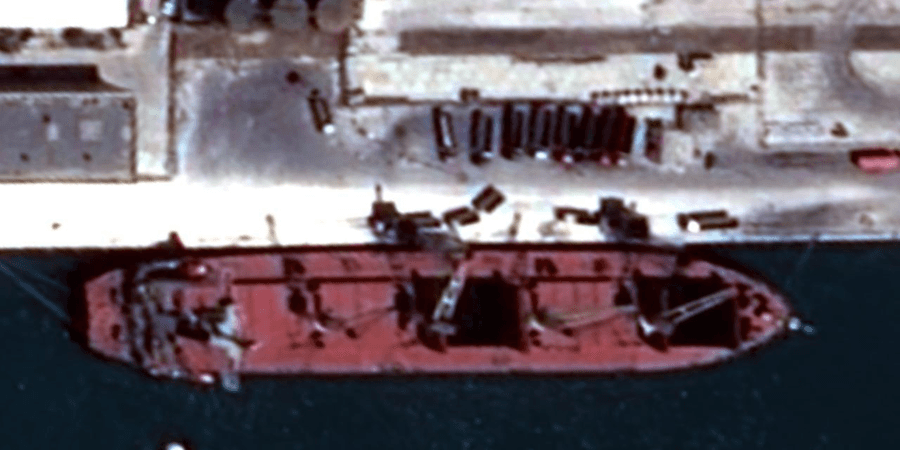
Russia has officially resumed military cargo shipments to Syria, marking a notable shift in its involvement in the region. This is the first instance of such activity since the ousting of President Bashar al-Assad during the Syrian civil war, which began in 2011. The resumption of these shipments underscores Russia's sustained alliance with the Assad regime and its strategic interests in the Middle East.
The decision to renew military shipments signals Russia's determination to reinforce its presence in Syria. By providing critical support to the Syrian government, Russia aims to help Assad consolidate control over the country following years of conflict. This move could potentially enhance the capabilities of Syrian forces against remaining opposition groups, thereby increasing regional instability.
Analysts suggest that the renewed shipments may include advanced weaponry, ammunition, and military equipment designed to bolster the operational capacity of the Syrian military. As regional dynamics continue to evolve, this support could empower Assad’s forces as they navigate ongoing challenges posed by both domestic insurgents and external foes, particularly from Turkey and the United States.
The resumption of military shipments comes amid heightened tensions involving various actors in the region. Turkey and the United States have expressed concerns over Russia's expanding influence in Syria, and this development is likely to provoke reactions from neighboring countries. The implications of Russia's renewed military support could alter the strategic calculations of regional powers, potentially leading to an escalation of conflicts.
This military support also highlights Russia's broader goals in the Middle East, where it seeks to establish itself as a dominant military and political force. By strengthening its partnership with Syria, Moscow secures its naval facility in Tartus, further entrenching its military capabilities in the Mediterranean. This strategic foothold not only enhances Russia's military presence but also serves as a counterbalance to Western influence in the region.
As these shipments continue, the implications for Syrian stability and regional security will be closely monitored by international observers. Analysts will be assessing how this renewed military collaboration affects the ongoing conflict and the balance of power in the region, particularly in light of the complex interplay of interests among various stakeholders.
Published by Banx Network. This article is part of the Banx decentralized media programme, powered by the BXE token on the XRP Ledger.



