
Key Highlights
- Missile Deployment:Russia confirms the use of Oreshnik hypersonic missiles against Ukrainian targets.
- Strategic Shift:The introduction of hypersonic weapons marks a significant escalation in the conflict.
- International Response:Ukrainian officials condemn the strike, warning of potential violations of international law.
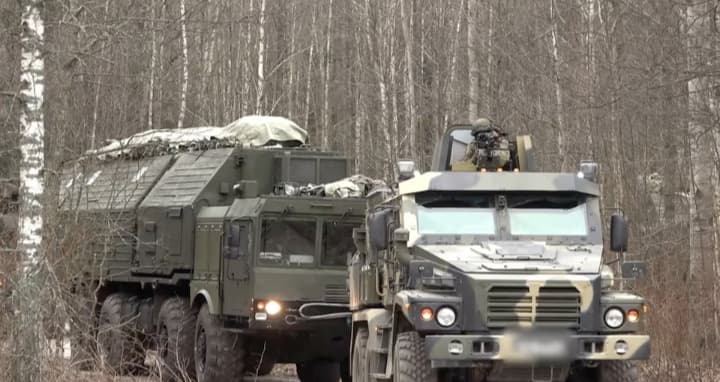
In a significant development in the ongoing conflict, Russian military officials have confirmed the deployment of Oreshnik hypersonic missiles targeting Ukrainian positions. This announcement represents a notable shift in Russia's military strategy, as the Oreshnik missile is designed for high speed and precision, capable of evading traditional detection and interception systems. The missile's deployment underscores the evolving nature of warfare, particularly in the context of the ongoing hostilities in eastern Ukraine.
Reports indicate that the missile launch took place in eastern Ukraine, an area that has seen intensified fighting in recent months. Russian officials assert that the strikes were aimed at military installations allegedly used to launch attacks against Russian forces. This claim has been met with strong condemnation from Ukrainian officials, who argue that the missile strike constitutes a violation of international law and poses a serious threat to regional stability.
The introduction of hypersonic weapons like the Oreshnik into the conflict raises significant concerns among military analysts and international observers. These missiles, which can travel at speeds exceeding Mach 5, present a formidable challenge to existing air defense systems, making them difficult to intercept. Analysts suggest that the deployment of such advanced weaponry could alter the balance of power in the ongoing conflict, potentially leading to a prolonged military engagement.
As both Russia and Ukraine ramp up their military activities, the prospect of a drawn-out conflict looms larger. The use of hypersonic missiles not only complicates the battlefield dynamics but also raises alarms about the broader implications for security in Europe. The international community is closely monitoring the situation, with calls for restraint and diplomatic engagement becoming increasingly urgent.
Diplomatic efforts aimed at de-escalating tensions continue, but the recent missile strikes highlight the challenges of achieving a peaceful resolution. Leaders around the world are urging both sides to explore diplomatic avenues to prevent further casualties and mitigate the risks of a wider conflict. The situation remains fluid, and the potential for escalation remains a pressing concern for regional and global security.
Published by Banx Network. This article is part of the Banx decentralized media programme, powered by the BXE token on the XRP Ledger.



