
Key Highlights
- Attack Overview:Russia launched a significant strike on Odesa, deploying 11 missiles and up to 100 drones.
- Defense Response:Ukrainian air defenses successfully intercepted 72% of the drones and one missile.
- Casualties and Damage:The assault resulted in 12 injuries and damage to residential buildings and energy infrastructure.
On the night of August 9, 2023, Ukraine experienced a substantial military assault on the city of Odesa and its surrounding areas. Russian forces targeted the region with a combination of 11 missiles and approximately 100 unmanned aerial vehicles (UAVs), including advanced jet-powered drones and loitering munitions known as “Banderol.” This attack marks one of the most significant escalations in hostilities in recent weeks, highlighting the ongoing conflict's intensity.
Ukrainian air defense systems were activated early in the morning, with reports indicating that by around 8:00 a.m., they had successfully intercepted 72% of the incoming drones. Additionally, they managed to down five out of six Banderol munitions and one missile. Notably, three missiles reportedly failed to reach their intended targets due to effective countermeasures employed by Ukrainian forces.
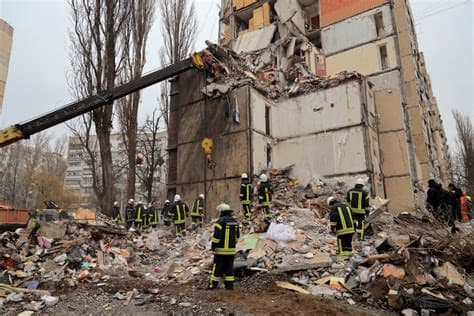
The impact of the attack was felt across nine locations within Odesa, leading to injuries for at least 12 individuals. The strikes caused significant damage to residential buildings, leaving many families displaced and in need of urgent assistance. Furthermore, parts of the local energy infrastructure were also affected, raising concerns about power supply stability in the region.
This latest assault on Odesa underscores the ongoing volatility in the region as the conflict between Russia and Ukraine continues to escalate. The use of drones and missiles reflects a strategic shift in warfare tactics, with both sides adapting to the evolving battlefield dynamics. Ukrainian officials have condemned the attack, calling it a blatant violation of international law and an attack on civilian infrastructure.
As the situation develops, the international community is closely monitoring the conflict, with calls for increased support for Ukraine in its defense efforts. The resilience of Ukrainian air defenses has been a focal point of discussion, as they continue to adapt and respond to the evolving threats posed by Russian military capabilities.
In summary, the attack on Odesa serves as a stark reminder of the ongoing conflict's human cost and the urgent need for diplomatic solutions to restore peace in the region. The resilience of Ukrainian forces and the support from allies will be crucial in the days and weeks ahead as they navigate this challenging landscape.
Published by Banx Network. This article is part of the Banx decentralized media programme, powered by the BXE token on the XRP Ledger.



