During a live press briefing today, Russian officials declined to furnish any proof regarding the alleged drone attack on President Vladimir Putin's residence, which has stirred considerable debate both within Russia and across the globe. The lack of evidence has led to skepticism about the legitimacy of the claims, especially given the heightened tensions in the region.
"At this time, we are not able to share specific evidence concerning the alleged attack," stated Kremlin spokesperson Dmitry Peskov. "However, we stand by our assessment that there was an attempt to breach the security of our leader." This statement has fueled speculation about the nature of the incident and the possible motivations behind it.
Critics have pointed out that without substantiating evidence, the claims could be perceived as a strategic narrative aimed at consolidating domestic support or distracting from other political issues. "The absence of proof raises serious concerns about transparency and accountability," noted political analyst Alexei Smirnov. "This could be construed as an attempt to rally public sentiment against perceived external threats."
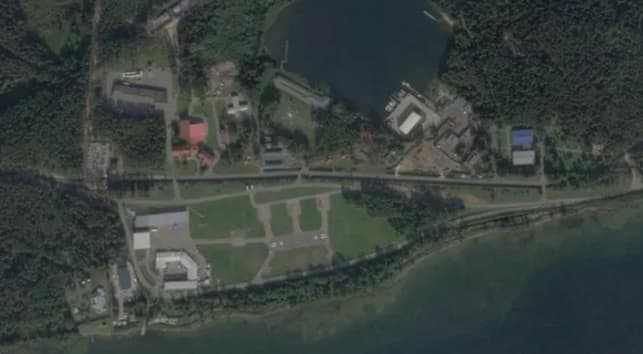
The alleged drone incident reportedly occurred in Valdai, a region known to host one of Putin's residences, and has been described as a significant security concern. While Russian media initially reported details surrounding the incident, the government's refusal to present evidence has led to conflicting narratives and increased scrutiny.
International media outlets and analysts remain attentive, as the situation could have broader implications for Russia's domestic and foreign policy, particularly in the context of ongoing tensions with NATO and Western nations. Calls for clarity have intensified, as political opponents within Russia demand greater transparency regarding national security matters.
As developments unfold, observers will be closely monitoring the Kremlin's next steps and the potential repercussions of this incident on public opinion and international relations. The situation illustrates the intricate dynamics of power, perception, and politics in an increasingly complex geopolitical landscape.
Published by Banx Network. This article is part of the Banx decentralized media programme, powered by the BXE token on the XRP Ledger.