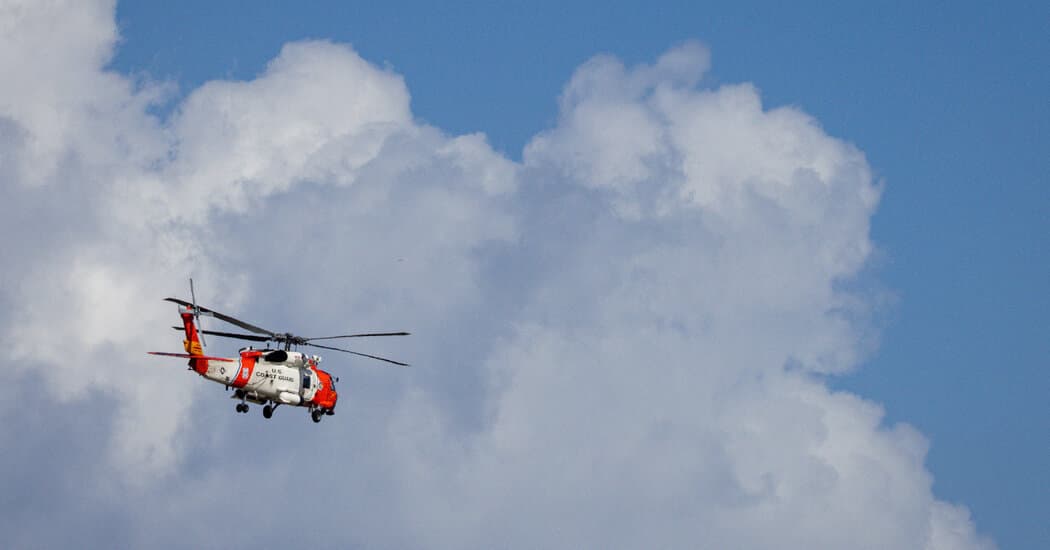
In a significant diplomatic move, Russia has urged the United States to discontinue its pursuit of an oil tanker that was allegedly bound for Venezuela. The tanker, which has been navigating the Atlantic Ocean, is reported to be evading the U.S. Coast Guard, raising concerns over the implications for international maritime law and energy supplies.
The Russian government emphasized that the U.S. actions are an infringement upon the rights of sovereign nations and could further escalate tensions. This incident highlights the ongoing geopolitical struggle surrounding Venezuela, a nation rich in oil reserves, but facing severe economic challenges and sanctions.
U.S. officials have defended their actions as part of broader efforts to curb illegal oil shipments to Venezuela, which faces strict sanctions aimed at undermining its government led by Nicolás Maduro. The tanker’s current trajectory and attempts to elude U.S. forces complicate the already fraught relations between Washington and Moscow.
Analysts suggest that this confrontation could have wider ramifications, particularly concerning energy markets and international alliances. As nations grapple with fluctuating energy demands and geopolitical pressures, incidents like these could shape the future of energy diplomacy and conflict.
The situation remains fluid, with the tanker continuing its evasive maneuvers amidst ongoing discussions between the U.S. and Russia regarding maritime rights, trade, and regional security. As both countries navigate this delicate issue, the international community watches closely, aware of the potential repercussions that could arise from this maritime standoff.
Published by Banx Network. This article is part of the Banx decentralized media programme, powered by the BXE token on the XRP Ledger.