
Key Highlights
- Veto Decision:Russia and China block a UN resolution on the Strait of Hormuz.
- Global Impact:The Strait is crucial for 20% of the world's oil shipments.
- Geopolitical Tensions:The veto reflects deepening divisions within the UN Security Council.
In a significant move, Russia and China have exercised their veto powers to block a United Nations resolution aimed at reopening the Strait of Hormuz, a vital maritime corridor for global oil shipments. This resolution, which had undergone revisions to address various concerns, was intended to enhance security and reduce tensions in this strategically important region.
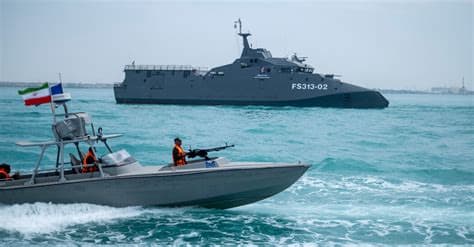
The Strait of Hormuz is a critical chokepoint through which approximately 20% of the world’s oil flows, making it a focal point for geopolitical tensions, particularly in light of ongoing conflicts involving Iran and its regional adversaries. The veto by Russia and China not only highlights their growing influence within the UN Security Council but also underscores the complexities of international diplomacy surrounding this essential waterway.
Proponents of the resolution argued that reopening the Strait would stabilize the oil market and promote regional security, potentially alleviating the humanitarian impacts of the ongoing tensions. However, Russia and China raised concerns about the resolution's implications, arguing that it could exacerbate existing conflicts rather than contribute to peace.
The aftermath of this veto illustrates the challenges the international community faces in addressing escalating tensions in the Middle East. Analysts suggest that the lack of consensus among key global powers could impede efforts to develop cooperative solutions for ensuring maritime security in the Strait of Hormuz. The veto serves as a reminder of the intricate balance of power and the competing interests that characterize international relations today.
As the geopolitical landscape continues to shift, the implications of this veto may reverberate through energy markets and broader geopolitical dynamics. The situation emphasizes the urgent need for diplomatic engagement and collaboration among nations to secure peace in this vital region. The international community must navigate these complexities to foster a more stable and secure environment in the Middle East, particularly concerning the crucial maritime routes that underpin global trade and energy supplies.
Published by Banx Network. This article is part of the Banx decentralized media programme, powered by the BXE token on the XRP Ledger.



