Key Highlights
- Recent crime statistics show a 71% increase in break-and-enters in Prince Albert's rural areas.
- Saskatchewan RCMP launched a multi-unit operation to address rising crime rates.
- Community meetings reveal residents' frustrations over police response times and safety concerns.
In rural Saskatchewan, particularly around Prince Albert, a palpable sense of fear has emerged among residents as crime rates rise. The isolation of rural living, where neighbors can be miles apart and police response times can stretch to an hour or more, has intensified concerns about safety. Recent statistics reveal a troubling trend: between August and October, the Prince Albert Rural RCMP detachment reported 58 break-and-enters, marking a staggering 71 percent increase compared to the same period last year. The total number of thefts reached 122, including 65 vehicle thefts, which is a 36 percent rise. Despite an overall 10 percent decrease in property crime from January to October compared to 2025, these localized spikes have left residents feeling vulnerable.
In response to these alarming figures, the Saskatchewan RCMP has initiated a series of operations aimed at curbing the rise in crime. In late September, a multi-unit crime reduction operation was conducted across Prince Albert and surrounding communities, resulting in 14 warrants executed and 30 Criminal Code charges laid. Notably, no break-and-enters were reported during the operation itself, suggesting that a visible police presence can deter crime. Furthermore, the Saskatchewan Marshals Service has joined forces with the RCMP for joint patrols in areas such as Albertville, Paddockwood, Shellbrook, and Sturgeon Lake First Nation, conducting 37 traffic stops and engaging with residents to share information.
The provincial government has also allocated significant funding to address these issues. For the 2025-26 fiscal year, the Prince Albert Police Service received $833,000 through the Safer Communities and Neighbourhoods initiative, aimed at recruiting and retaining approximately seven officers. Additionally, the provincial budget has increased funding to municipal police and allocated an extra $50 million to the RCMP, with the Marshals Service receiving $4.8 million annually. These financial resources are crucial in bolstering police presence and response capabilities in rural areas.
However, the concerns voiced by residents at community meetings in Spruce Home, Christopher Lake, and MacDowall extend beyond mere statistics. Many have expressed dissatisfaction with what they perceive as inadequate police response times, particularly given that the nearest detachment in Nipawin is located 90 kilometers away. MLA Eric Schmalz, who attended a meeting with approximately 200 attendees, acknowledged the growing frustration among residents: "People's frustrations are boiling over. They're upset. They want to have action."
The provincial government has pointed to the Marshals Service as a flexible resource to address the gaps in the current policing model. Community Safety Minister Michael Weger has recognized the ongoing challenges, citing a "lack of bodies" in the province. Meanwhile, RCMP Insp. Robert Lake has indicated that the issue lies not in recruitment but in the processing of applicants, highlighting structural problems that cannot be resolved by a single operation.
As rural residents grapple with these challenges, the ordinary experience of living in these communities has changed. Many now find themselves looking over their shoulders in places they once considered safe. While the police operations and funding initiatives are steps in the right direction, the underlying fear and anxiety among residents may take longer to alleviate. The situation remains dynamic, and the community's response to these challenges will continue to evolve as they seek to reclaim their sense of security.
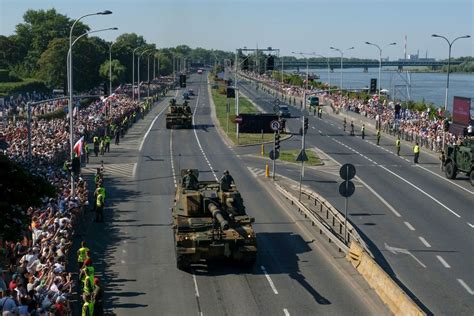
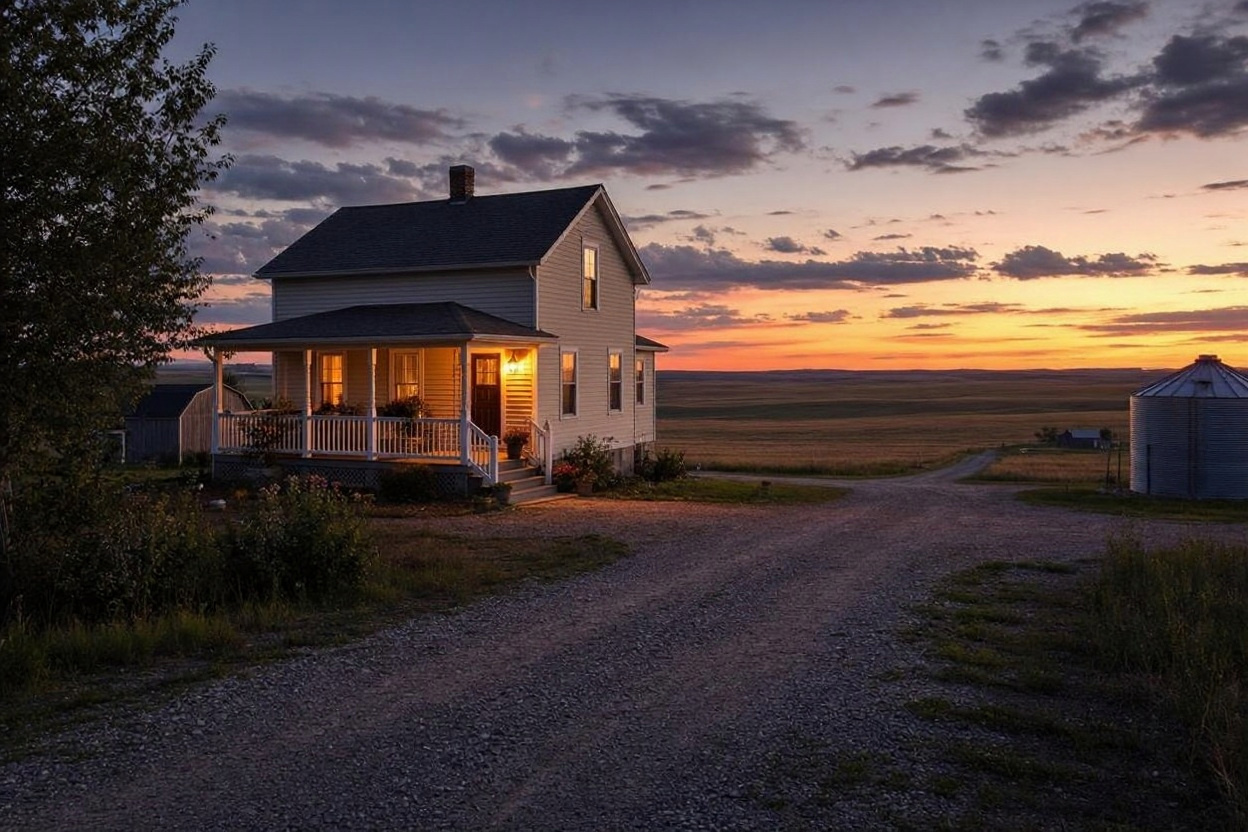
Images accompanying this report were generated with artificial intelligence.
Published by Banx Network. This article is part of the Banx decentralized media programme, powered by the BXE token on the XRP Ledger.