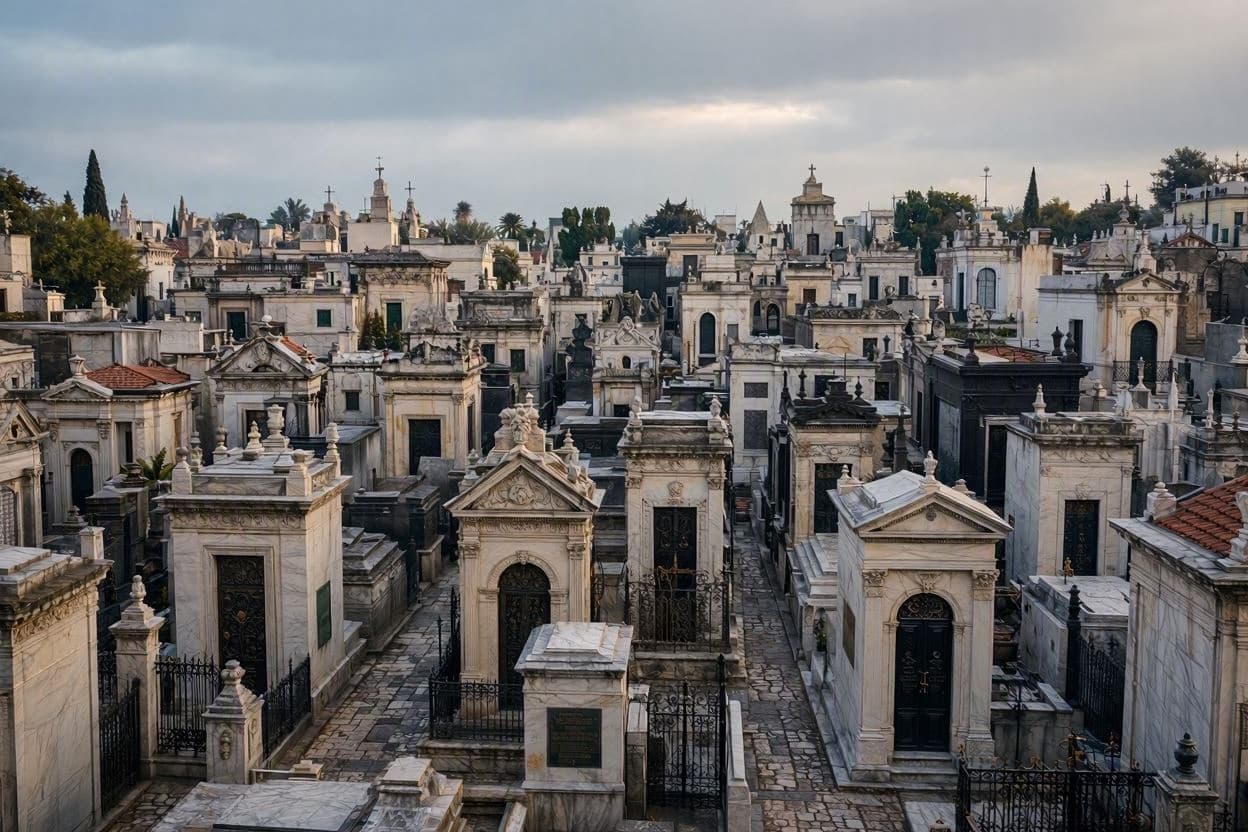
In Buenos Aires, where the past is preserved in stone and marble, La Recoleta Cemetery stands as a city of the dead within the city of the living. Known as the Southern Hemisphere’s largest necropolis, it is a place of historical significance and architectural beauty. However, this iconic site is now facing a modern crisis: it is running out of space. The "bursting at the seams" metaphor reflects a tangible shortage of burial plots, forcing families and authorities to confront the realities of mortality in an urban environment.
La Recoleta is not just a cemetery but a museum of Argentine history, housing the remains of notable figures such as Eva Perón and Jorge Luis Borges. Its narrow pathways and elaborate mausoleums attract tourists and locals alike, who wander among the graves to appreciate the artistry and stories embedded in the stone. But beneath the aesthetic charm lies a logistical challenge that has been growing for decades.
The shortage of space is driven by several factors, including population growth, limited land availability, and cultural preferences for traditional burial. Unlike cremation, which is becoming more common in other parts of the world, burial remains a preferred choice for many Argentine families. This tradition, combined with the finite size of the cemetery, has created a bottleneck that is difficult to resolve without significant changes in practice or infrastructure.
Authorities are exploring various solutions to manage the crisis. One option is the reuse of older graves after a certain period, a practice common in Europe but less accepted in Argentina due to cultural and religious reasons. Another approach is the promotion of vertical cemeteries or columbaria for ashes, which require less space. However, these alternatives face resistance from traditionalists who value the sanctity of individual burial plots.
The issue also raises questions about urban planning and the management of public spaces. As cities expand, the demand for land increases, making large cemeteries like La Recoleta valuable real estate. Balancing the need for preservation with the pressure for development is a delicate task for city officials. The cemetery’s status as a national heritage site adds another layer of complexity to any proposed changes.
For families seeking to lay their loved ones to rest, the shortage causes emotional distress and financial burden. Waiting lists for plots can be long, and prices for existing spaces have risen. This inequality affects access to dignified burial, prompting debates about social justice and the right to a final resting place. Community organizations are advocating for policies that ensure affordability and availability for all citizens.
As Buenos Aires grapples with this unique challenge, it serves as a mirror for other growing cities around the world. The story of La Recoleta is not just about death but about how societies manage memory, space, and tradition in the face of change. Finding a sustainable solution will require innovation, dialogue, and a respect for the deep cultural roots that bind the living to the dead.
AI Image Disclaimer: The visual content in this article is AI-generated to depict the architectural beauty and spatial constraints of historic cemeteries.
Sources: BBC News, The Guardian, Clarín
Published by Banx Network. This article is part of the Banx decentralized media programme, powered by the BXE token on the XRP Ledger.