
Key Highlights
- Record-low Danube levels have led to the shutdown of Hungary's Paks nuclear power plant.
- Prime Minister Péter Magyar warns of an impending energy crunch due to the crisis.
- The incident highlights the vulnerability of nuclear energy infrastructure to climate change.
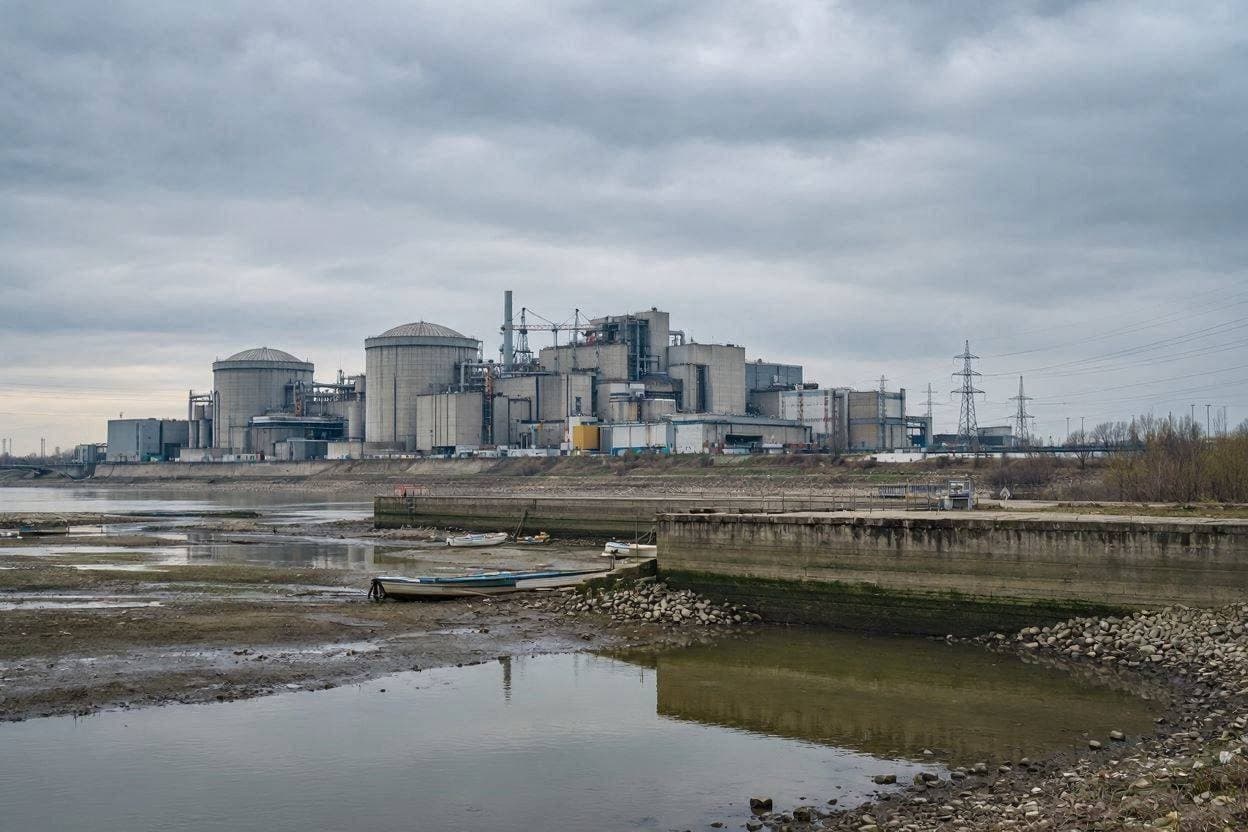
The Paks nuclear power plant, Hungary's only nuclear facility, has been forced offline due to unprecedented drought conditions affecting the Danube River. This situation marks a significant turning point for the nation, as the plant typically provides nearly half of Hungary's electricity. The current drought, exacerbated by climate change, has resulted in water levels dropping below critical thresholds necessary for the plant's cooling systems, leading to its historic shutdown.
Prime Minister Péter Magyar has expressed grave concerns about the implications of this shutdown, labeling it an "energy crunch." He emphasized that the crisis is not solely a Hungarian issue but part of a broader regional challenge affecting countries along the Danube, including Romania and Serbia. As Hungary grapples with the reality of reduced energy capacity, the government is exploring emergency measures to stabilize the power grid, including increased energy imports and cooperation with neighboring nations.
The immediate effects of the Paks shutdown are already being felt across the country. With a significant portion of its energy generation offline, Hungary faces rising energy prices, which will likely impact both households and businesses. The government has assured citizens that essential services will remain operational, but the uncertainty surrounding energy availability has led to widespread concern about potential blackouts and increased utility bills.
This incident serves as a stark reminder of the vulnerabilities inherent in traditional energy infrastructures, particularly nuclear power plants that rely heavily on consistent water supply. Experts warn that as climate change leads to more frequent and severe droughts, the dependency on water for cooling reactors may pose significant risks to energy security. The situation has prompted calls for a reevaluation of energy strategies, with many advocating for a shift towards renewable energy sources that are less reliant on water, such as solar and wind power.
Environmental advocates view the Paks shutdown as a critical moment for Hungary to accelerate its transition to a more sustainable energy mix. While the potential for renewable energy solutions exists, political and economic challenges remain significant hurdles to implementation. The government is under pressure to act swiftly to address the energy crisis while also considering long-term sustainability goals.
As the situation develops, conservation efforts are being encouraged among the public, with appeals for reduced energy consumption during peak hours. The Paks nuclear plant's shutdown is not just a local issue; it reflects a growing global concern about the impacts of climate change on energy systems. Hungary's experience may serve as a cautionary tale for other nations facing similar environmental challenges.
In conclusion, the shutdown of the Paks nuclear power plant due to drought conditions highlights the urgent need for countries to rethink their energy strategies in the face of climate change. As Hungary navigates this crisis, the event may catalyze a broader discussion on energy security and the transition to more resilient and sustainable energy systems.
Published by Banx Network. This article is part of the Banx decentralized media programme, powered by the BXE token on the XRP Ledger.



