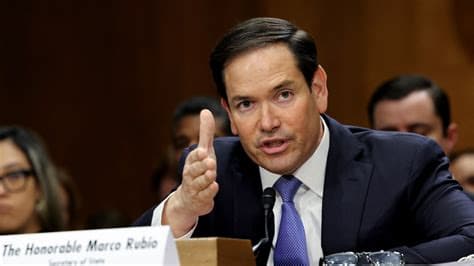
On March 28, 2026, Senator Marco Rubio stated that he anticipates the current US military action in Iran to be wrapped up in a matter of weeks. This assertion comes as the US continues to engage in airstrikes targeting Iranian infrastructure and military capabilities.
Rubio's remarks highlight a sense of urgency and determination from some political leaders to address what they perceive as immediate threats from Iran. He indicated that these operations are focused on dismantling Iran's offensive capabilities, which have been seen as a destabilizing force in the region. However, the senator also acknowledged the complexity of the situation, which involves not only military considerations but also geopolitical ramifications.
As airstrikes continue, there is growing public and political scrutiny about the effectiveness and consequences of this military campaign. Critics argue that a quick resolution may be overly optimistic, warning that hastily drawn conclusions could lead to deeper entrenchment in the conflict.
The Biden administration faces a balancing act: ensuring national security while navigating the intricate web of international relationships and regional tensions. The ongoing airstrikes have resulted in calls for a more comprehensive strategy that includes diplomatic efforts alongside military actions.
As the clock ticks, Rubio's assessment is a reflection of a broader belief among some policymakers that decisive action is necessary in the face of perceived threats. Yet, the situation in Iran remains fluid, and the potential for escalation underscores the unpredictable nature of military interventions in complex geopolitical landscapes.
Published by Banx Network. This article is part of the Banx decentralized media programme, powered by the BXE token on the XRP Ledger.