
Key Highlights
- Date of Statement:May 24, 2026, by Marco Rubio.
- Hezbollah's Threats: Accusations of destabilizing the Lebanese government.
- Call for Action:Urging collective resistance against Hezbollah's aggression.
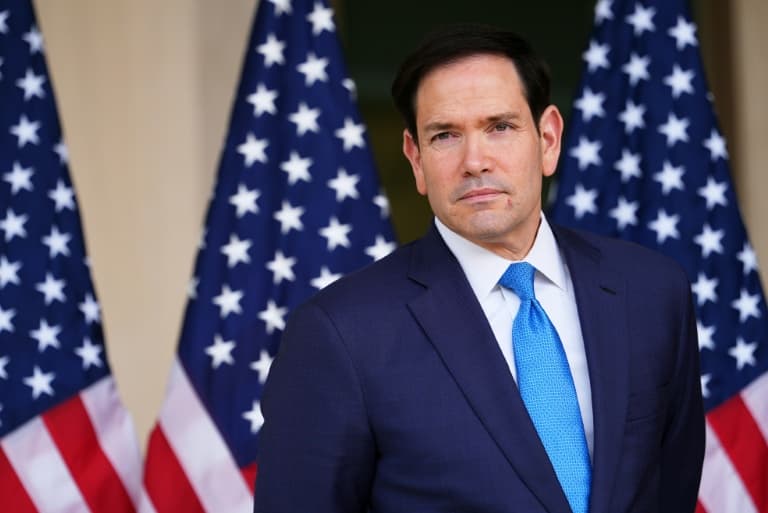
On May 24, 2026, Marco Rubio, the U.S. Secretary of State, delivered a strong condemnation of Hezbollah's recent threats aimed at destabilizing the Lebanese government. In his remarks, Rubio accused the Iran-backed militant group of attempting to plunge Lebanon back into chaos, emphasizing the urgent need for international attention and action against such provocations.
Rubio's statements came in response to Hezbollah's ongoing refusal to disarm and its vocal opposition to direct negotiations with Israel. He pointed out that these actions not only undermine the Lebanese government's authority but also pose a significant threat to the stability of the entire nation. "Hezbollah has ignored repeated calls from the legitimate government of Lebanon to cease its attacks," Rubio stated, highlighting the group's persistent cross-border assaults and the smuggling of weapons into southern Lebanon.
The Secretary of State characterized Hezbollah's threats as a deliberate campaign to maintain power at the expense of the Lebanese people's future. He asserted, "Threats of violence and attempts to subvert a democratically elected government will not be tolerated," signaling a firm stance against the militant group's actions. Rubio's remarks reflect a broader concern regarding the influence of militant organizations in the region and their impact on democratic governance.
In a stark contrast, Naim Qassem, Hezbollah's deputy leader, has publicly encouraged Lebanese citizens to protest against the government's negotiations with Israel. He argues that such discussions are inherently beneficial to Israel, further deepening the divisions within Lebanon regarding leadership and foreign relations. This ongoing conflict between Hezbollah and the Lebanese government underscores the complex political landscape in the country, where differing narratives fuel tensions.
The situation is exacerbated by the backdrop of continuing Israeli strikes and international sanctions, which have created a volatile environment for Lebanon. As Hezbollah's rhetoric intensifies, the potential for increased violence and instability looms large, raising concerns among regional and international observers.
In light of these developments, Rubio's call for a collective stance against Hezbollah's aggression is seen as a crucial step in supporting Lebanon's sovereignty and democratic processes. The international community's response to these threats will be pivotal in shaping the future of Lebanon and the broader Middle East region.
Published by Banx Network. This article is part of the Banx decentralized media programme, powered by the BXE token on the XRP Ledger.



