In the soft green hush of the Amazon, whispers of the forest have always carried stories. This year, as Brazil hosts COP30 in Belém, those whispers are growing louder — Indigenous voices, long muted in global climate conversations, are being woven into the conference’s very fabric.
At COP30, more than 3,000 Indigenous delegates have gathered — a historic high. Backed by the Brazilian presidency, the Indigenous Peoples’ Circle was established early this year as a bridge between the government and traditional communities. For many, it’s not just presence that matters, but influence: they are asking that territorial demarcation — the legal recognition of their ancestral lands — become a formal part of climate policy.
But presence in the Amazon’s soil does not fully translate into power in COP negotiation rooms. While thousands travel to Belém, only about 14% of Brazilian Indigenous attendees (some 360 people) have earned accreditation to enter the “Blue Zone” — the restricted area where key deals are made. Those who do hold credentials cannot vote or formally shape agreements, though they can observe, network, and make their voices heard indirectly.
Many Indigenous leaders stress that their demands are not symbolic. They call for direct financing to go to Indigenous and local communities, not just through intermediaries. They want forest protection recognized not merely as a climate side-benefit, but as a central, proven solution.
Yet frustration is also simmering. Some protest actions have erupted — in one instance, protesters attempted to breach the Blue Zone, citing what they call a “separation” between civil society and negotiating power. Observers note that while Indigenous people now appear more visibly in COP spaces, visibility does not equal real negotiation leverage.
The Indigenous movement has framed their participation in Belém as more than symbolic turnout — it is a chance to make historic gains. Their formal declaration, issued ahead of the summit, states: “We are not responsible for the climate crisis; we are the solution.”
Belém itself seems to reflect that duality: a city chosen both for its Amazon heart and its contradictions. Indigenous leaders, diplomats, and community members mingle in spaces built for exchange — in the COP Village, the People’s Summit, and the Green Zone — even as they demand their place at the tables of real power.
If COP30 can turn Indigenous presence into policy change, it may mark a turning point: not just a climate summit, but a reckoning. And for many delegates, that reckoning begins with land — the lands they’ve tended for generations.
As the conference unfolds, the question lingers softly but firmly in the Amazon air: will this historic turnout become a historic legacy?
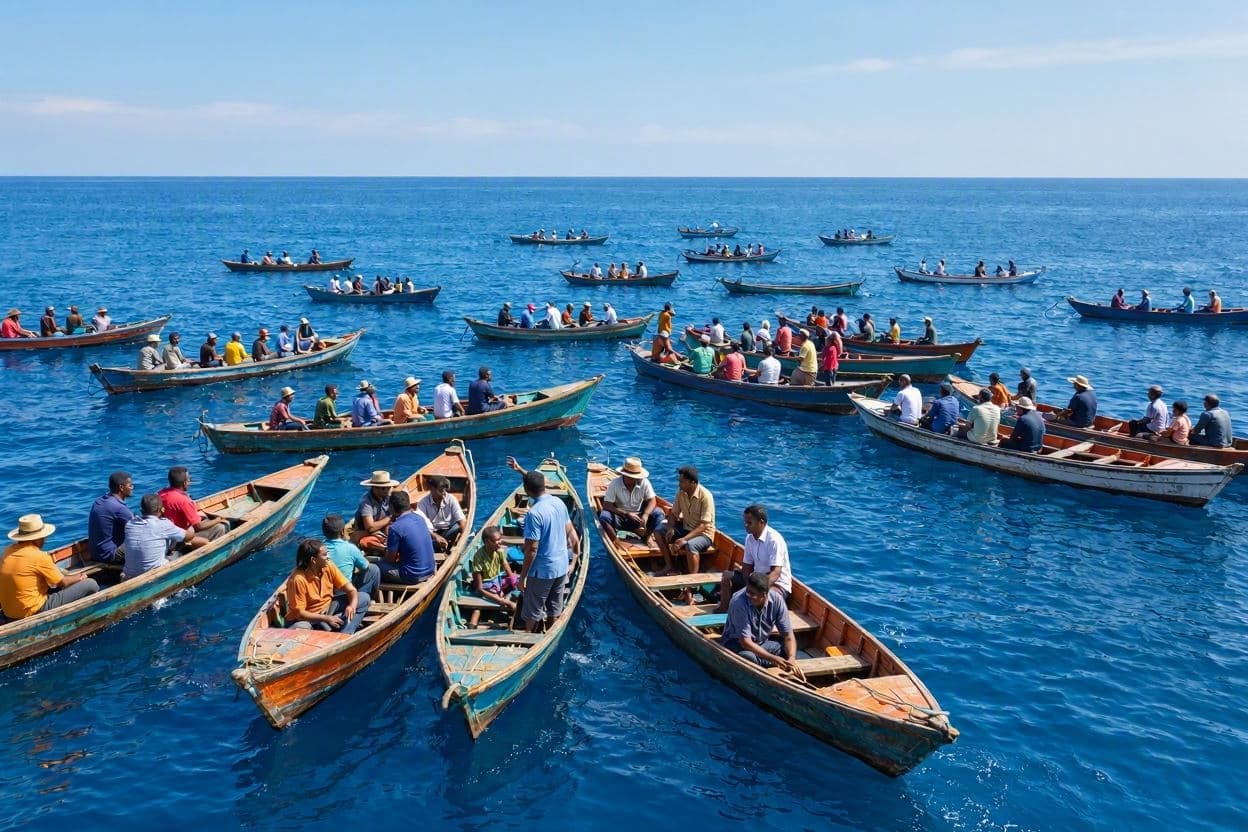
AI Image Disclaimer “Visuals are created with AI tools and are not real photographs.”
InfoAmazonia Agência Brasil Mongabay COP30 Presidency (Brazil) Euronews
Published by Banx Network. This article is part of the Banx decentralized media programme, powered by the BXE token on the XRP Ledger.