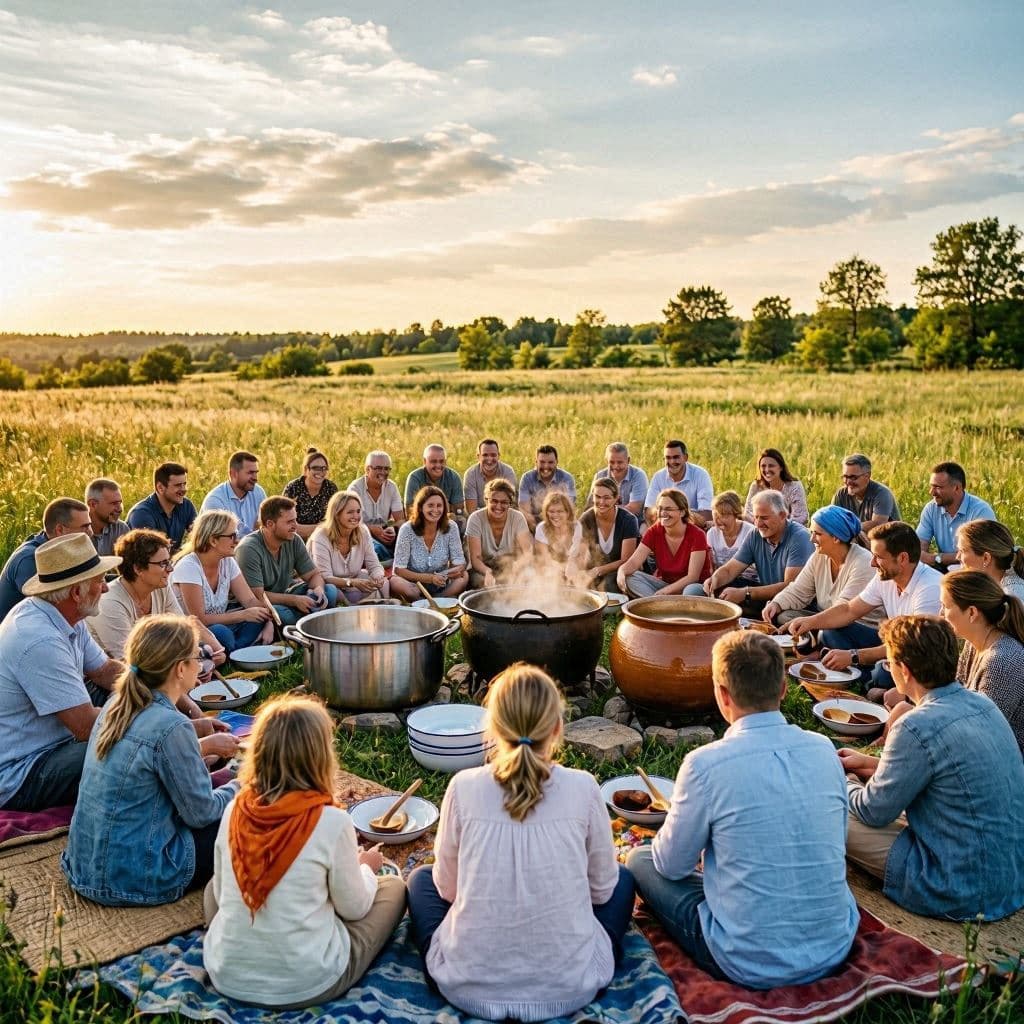
In the heart of India’s agricultural belts, a movement has taken root, fueled by a mix of deep-seated frustration and unwavering solidarity. Protests over farming policies have drawn thousands to the streets, creating a vibrant tapestry of dissent that stretches across states and communities. What began as a local grievance has evolved into a national conversation, sustained by the simple yet powerful acts of sharing food, voicing anger, and receiving support from allies near and far. It is a story of resilience, where the soil itself seems to speak.
Body: The protesters, primarily farmers, have set up camps at key entry points to major cities, turning highways into spaces of dialogue and demonstration. These sites are not just places of protest but communities in their own right, where langars (community kitchens) serve free meals to participants and passersby alike. This tradition of communal dining reinforces the spirit of unity, ensuring that no one goes hungry while fighting for their rights. It is a gesture of care that softens the edges of political confrontation.
The fury driving the movement stems from concerns over minimum support prices, land acquisition laws, and the perceived marginalization of small-scale farmers. For many, these issues are not abstract policy debates but matters of survival. The fear of losing their livelihoods has galvanized a diverse group of individuals, from elderly veterans of previous movements to young students eager for change. Their voices, though varied, harmonize in a shared demand for justice and security.
Support has poured in from unexpected quarters, including urban intellectuals, labor unions, and diaspora communities abroad. Social media has played a crucial role in amplifying the message, connecting local struggles to global audiences. This network of solidarity provides moral and material support, reminding the protesters that they are not alone. It transforms a regional issue into a symbol of broader democratic engagement.
The government’s response has been a mix of negotiation and containment. Talks have been held, but breakthroughs remain elusive as both sides hold firm to their positions. The stalemate reflects the complexity of balancing economic reform with social welfare. In this limbo, the protests continue, serving as a constant reminder of the stakes involved for millions of citizens.
Cultural expressions have also become part of the protest landscape. Songs, poetry, and art decorate the camps, turning them into spaces of creative resistance. These cultural elements help sustain morale, offering moments of joy and reflection amidst the tension. They remind observers that the movement is not just about policy but about identity and dignity.
As days turn into weeks, the endurance of the protesters becomes a testament to their commitment. The physical toll is significant, yet the spiritual resolve remains strong. The presence of families, including women and children, highlights the intergenerational nature of the struggle. It is a fight for the future, rooted in the lessons of the past.
Closing: The India farmer protests continue to captivate the nation, driven by a potent mix of food, fury, and fellowship. As negotiations proceed, the movement stands as a powerful example of civic engagement. Whether through resolution or continued dissent, the voices of the farmers remain a vital part of India’s democratic fabric.
AI Image Disclaimer: Visuals in this article are AI-generated representations of protest camps and community gatherings, intended to illustrate the themes of solidarity and civic action.
Sources: The Hindu BBC News Al Jazeera NDTV
Published by Banx Network. This article is part of the Banx decentralized media programme, powered by the BXE token on the XRP Ledger.