
Key Highlights
- Brazil is enhancing its commitment to Amazon rainforest preservation.
- Indigenous communities are central to conservation strategies.
- Reforestation and ecotourism are key components of sustainable development.
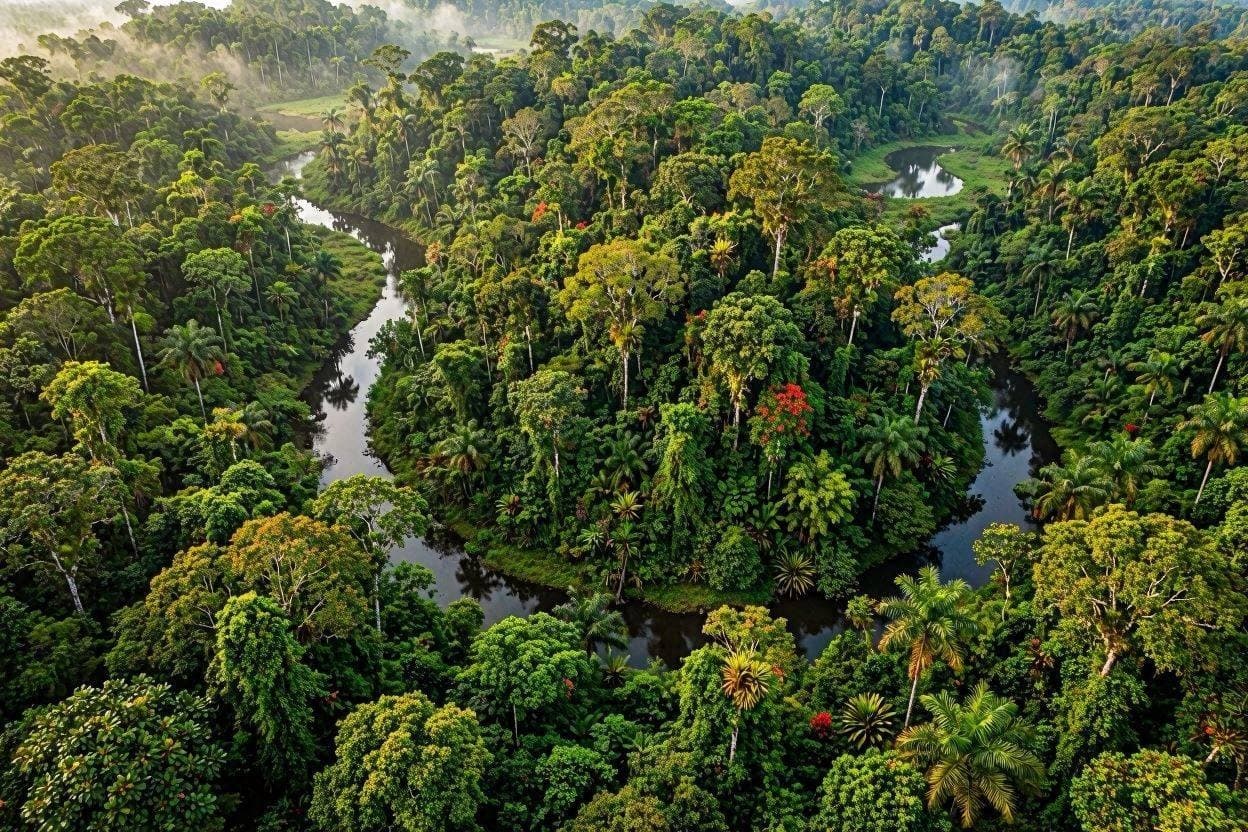
The Amazon rainforest, often referred to as the lungs of the Earth, is experiencing a renewed commitment to its preservation as Brazil intensifies efforts to protect this vital ecosystem. The Brazilian government has implemented stricter enforcement policies and engaged local communities in conservation initiatives, marking a significant chapter in the ongoing struggle to balance economic development with environmental stewardship.
Government agencies have ramped up patrols in protected areas, utilizing advanced satellite technology to detect illegal logging and mining activities in real-time. This innovative approach allows authorities to respond swiftly to threats, dismantling operations that seek to exploit the forest’s resources unlawfully. The data-driven enforcement strategy has proven effective in reducing deforestation rates in key regions, showcasing a proactive stance in environmental protection.
Indigenous communities, who have been the guardians of the Amazon for centuries, are playing a central role in these new strategies. Their traditional knowledge and deep connection to the land are recognized as essential assets in conservation efforts. By granting them greater autonomy and support, the government aims to empower these groups to defend their territories against encroachment, fostering a collaborative approach to conservation that respects indigenous rights and practices.
Reforestation projects are also gaining momentum, with millions of native trees being planted to restore degraded areas. These initiatives not only help sequester carbon but also restore habitats for countless species of flora and fauna. Local NGOs and international partners are collaborating to ensure these projects are sustainable and beneficial to local economies, creating a model for ecological restoration that can be replicated in other regions.
The economic argument for preservation is becoming increasingly compelling. Ecotourism and sustainable harvesting of non-timber forest products offer viable alternatives to destructive practices. By promoting these green industries, Brazil hopes to create jobs and income streams that depend on the health of the forest rather than its destruction. This shift towards sustainable economic practices is essential for long-term environmental health and community resilience.
International pressure and support have also influenced Brazil’s approach. Global agreements on climate change and biodiversity have highlighted the Amazon’s critical role in regulating the planet’s climate. Financial incentives and technical assistance from other nations are helping to fund conservation programs and strengthen institutional capacity, illustrating the interconnectedness of global environmental efforts.
Challenges remain, however, as political and economic pressures can sometimes conflict with environmental goals. Balancing the needs of agriculture and infrastructure development with conservation requires careful planning and dialogue. Continuous monitoring and adaptive management are essential to navigate these complex dynamics, ensuring that Brazil can meet both its economic and environmental objectives.
As Brazil continues to prioritize the Amazon, the world watches with hope. The success of these efforts will have far-reaching implications for global climate stability and biodiversity. Protecting the Amazon is not just a national duty but a global responsibility, underscoring the importance of collaborative action in addressing climate change.
Published by Banx Network. This article is part of the Banx decentralized media programme, powered by the BXE token on the XRP Ledger.



