
Key Highlights
- Legal Appeal:Former President Trump files an emergency motion to resume construction on a proposed ballroom at the White House.
- Ongoing Disputes:The project faces legal and administrative challenges that have delayed its progress.
- Historical Significance:The White House expansion raises questions about preservation and the impact on national identity.
Legal Appeal for White House Ballroom
In a significant legal maneuver, former President Donald Trump has filed an emergency motion seeking to continue construction on a proposed ballroom at the White House. This project, which has been caught in a web of legal and administrative disputes, aims to create a venue for large-scale state events. The motion reflects Trump's determination to advance a vision that has faced numerous interruptions since its inception.
The ballroom, envisioned as a grand addition to the presidential residence, has sparked both logistical planning and political debate. Critics have raised concerns about the funding sources and the implications of altering one of the most iconic buildings in the United States. While expansions and renovations at the White House are not unprecedented, they are approached with caution, balancing tradition with modern needs.
The urgency of the emergency filing highlights the potential risks of further delays. Trump's legal team argues that continued interruptions could jeopardize not only the timeline of the project but also its overall feasibility. Opponents of the expansion emphasize the necessity for thorough reviews, particularly given the historical significance of the White House and the need to preserve its character.
The White House serves as more than just a residence; it is a living archive of American history, shaped by each administration while maintaining a continuity that spans centuries. Each alteration—whether structural or symbolic—initiates a dialogue between the past and the present. In this context, the proposed ballroom transcends its physical form, embodying broader questions about how space reflects power, ceremony, and national identity.
As the legal proceedings unfold, the outcome remains uncertain. The matter has transitioned from design discussions to judicial chambers, where arguments are evaluated based on legal precedents rather than architectural blueprints. The pace of construction now hinges on the judicial review process, which is inherently slower and more methodical than the immediate demands of construction.
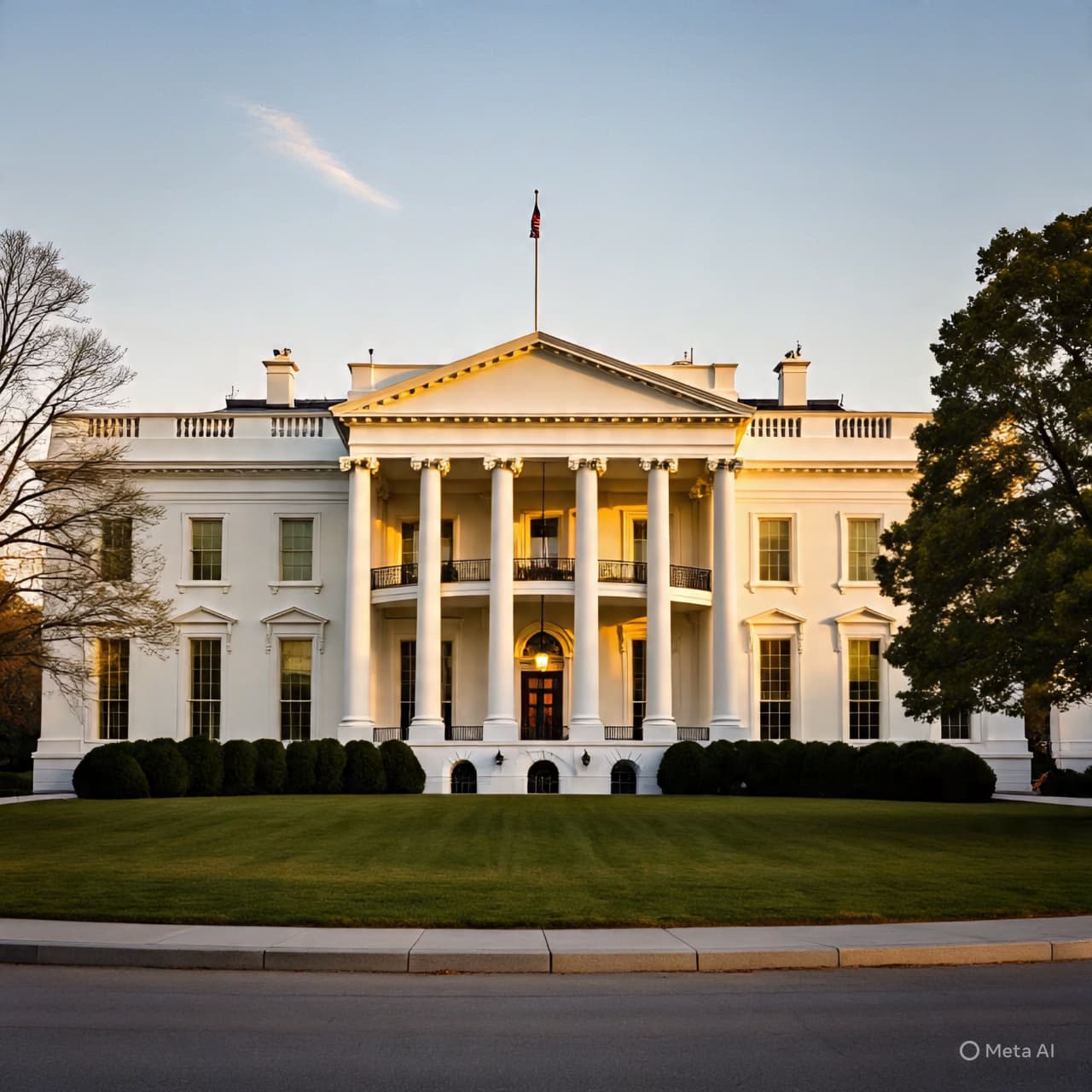
For now, the White House stands unchanged, its façade a testament to generations of history. The future of the proposed ballroom, however, is a topic of quiet debate among stakeholders, with the decision to be made in the coming weeks. This ruling will ultimately determine whether new walls will rise within the historic grounds or if the vision will once again retreat into the realm of unfulfilled plans.
Published by Banx Network. This article is part of the Banx decentralized media programme, powered by the BXE token on the XRP Ledger.



