

Key Highlights
- Rooftop solar ownership in Australia is among the highest globally.
- The Australian Energy Market Commission predicts 82% renewable energy penetration soon.
- Households are increasingly becoming both consumers and suppliers of energy.
Australia is witnessing a significant transformation in its energy landscape, primarily driven by the rapid adoption of rooftop solar panels and home battery systems. The Australian Energy Market Commission (AEMC) has reported that this shift is occurring at an unprecedented pace, with projections indicating that the national electricity market could achieve renewable energy penetration levels of 82 percent in the near future. This remarkable growth is largely attributed to the proactive decisions of millions of households across the country, who are increasingly investing in distributed energy systems.
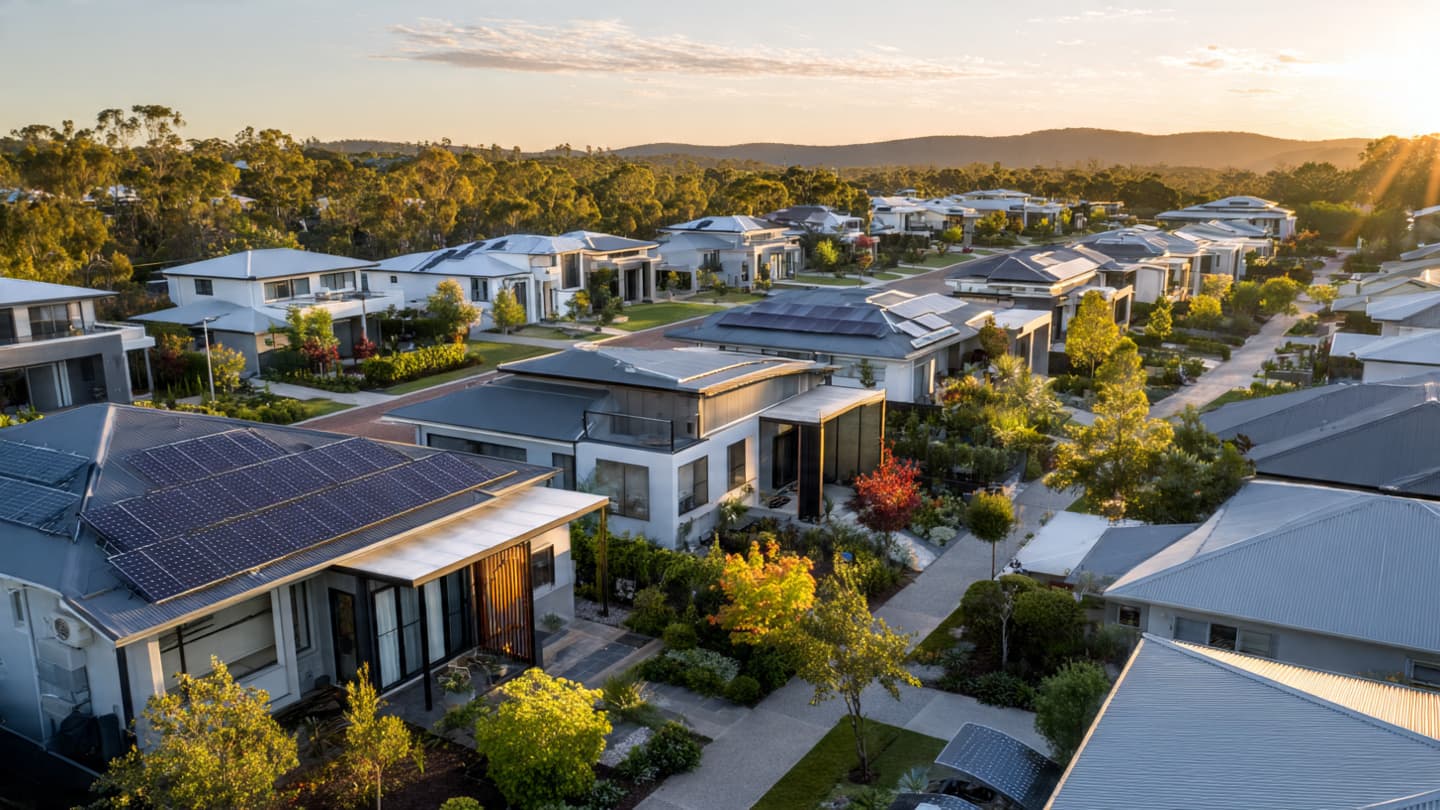
The rise of rooftop solar in Australia has been nothing short of extraordinary. With one of the highest rates of solar panel installations globally, Australian homes are now adorned with photovoltaic systems that harness sunlight to generate electricity. Analysts attribute this surge to a combination of declining technology costs and rising electricity prices, which have incentivized homeowners to seek alternative energy solutions. As a result, solar panels have become a common sight in suburban neighborhoods and regional towns alike.
In addition to solar panels, the adoption of battery storage technology has also seen significant growth. Homeowners are now able to store excess energy generated during the day for use during peak demand periods, effectively reducing their reliance on traditional electricity infrastructure. The AEMC has noted that this combination of solar and battery systems is beginning to alleviate pressure on the grid, particularly during times of high energy consumption.
The chair of the AEMC remarked on the scale of this transition, stating that it is a development that “blows your mind.” This reflects the unexpected speed at which consumers are taking control of their energy generation, fundamentally altering the dynamics of electricity networks. Households are no longer just passive consumers; they are becoming active participants in the energy market, contributing to a more decentralized and resilient energy system.
However, experts caution that the integration of large volumes of renewable energy into the grid is not without its challenges. Technical issues such as the need for transmission upgrades, expansion of energy storage capabilities, and improved coordination between states are critical to maintaining grid reliability as coal-fired generation continues to decline. Policymakers and energy providers are engaged in ongoing discussions about how to balance the transition to a predominantly renewable electricity system with the need for affordability and stability.
Some regions in Australia have already experienced instances where renewable sources supplied the majority of local electricity demand, particularly during favorable solar and wind conditions. For many households, this transition is less about ideology and more about practicality. Rooftops that were once merely exposed to the elements are now becoming small-scale energy production centers, fundamentally changing the relationship between citizens and the national grid.
As Australia moves forward, regulators emphasize the importance of continued investment in infrastructure and storage technology to achieve long-term renewable energy targets. The ongoing evolution of the energy landscape highlights the critical role that households play in shaping the future of energy in Australia, paving the way for a more sustainable and resilient energy system.
Published by Banx Network. This article is part of the Banx decentralized media programme, powered by the BXE token on the XRP Ledger.




