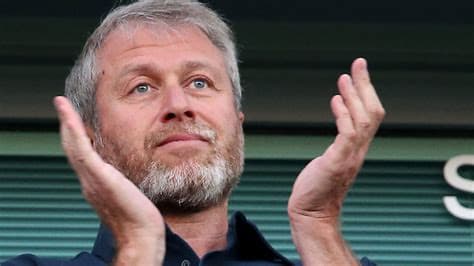
Roman Abramovich, the former owner of Chelsea Football Club, is gearing up to challenge the UK government's stance on the proceeds from the club’s recent £2.5 billion sale. This move underscores the complexities surrounding Abramovich’s financial dealings, particularly in light of sanctions imposed due to geopolitical tensions.
Following the sale, the UK government has sought to exert control over the proceeds, aiming to allocate funds responsibly in accordance with its sanctions policy. Abramovich, however, claims that the money should rightfully be his, leading to a potential legal battle that could draw significant media and public attention.
The implications of this dispute extend beyond just Abramovich and Chelsea. It reflects the broader issues relating to the economic repercussions of sanctions on Russian nationals amid the ongoing conflict involving Ukraine. The outcome of this fight could set a precedent for how financial assets of sanctioned individuals are handled in the UK.
As legal proceedings unfold, both parties are expected to present detailed arguments regarding the ownership and use of the sale proceeds. This case not only highlights the complexities of international finance and legal frameworks but also serves as a reminder of the interconnectedness of sports, politics, and global economics.
With Abramovich’s determination to contest the UK government's position, the situation is likely to remain dynamic, warranting close monitoring as it develops. The ramifications of this conflict may affect future dealings of other high-profile individuals similarly impacted by international sanctions.
Published by Banx Network. This article is part of the Banx decentralized media programme, powered by the BXE token on the XRP Ledger.