The investment, announced on September 28, 2026, is intended to expand and upgrade facilities supporting the company’s aerospace and defence businesses. More than £140 million will go toward new engineering and manufacturing facilities in Derby, where Rolls-Royce operates its civil aerospace activities.
Additional investment will be distributed across Bristol, Inchinnan in Glasgow, Rotherham and Ansty in Warwickshire. Together, those projects are designed to increase manufacturing capacity, modernize facilities and improve the infrastructure supporting Rolls-Royce’s engineering operations.
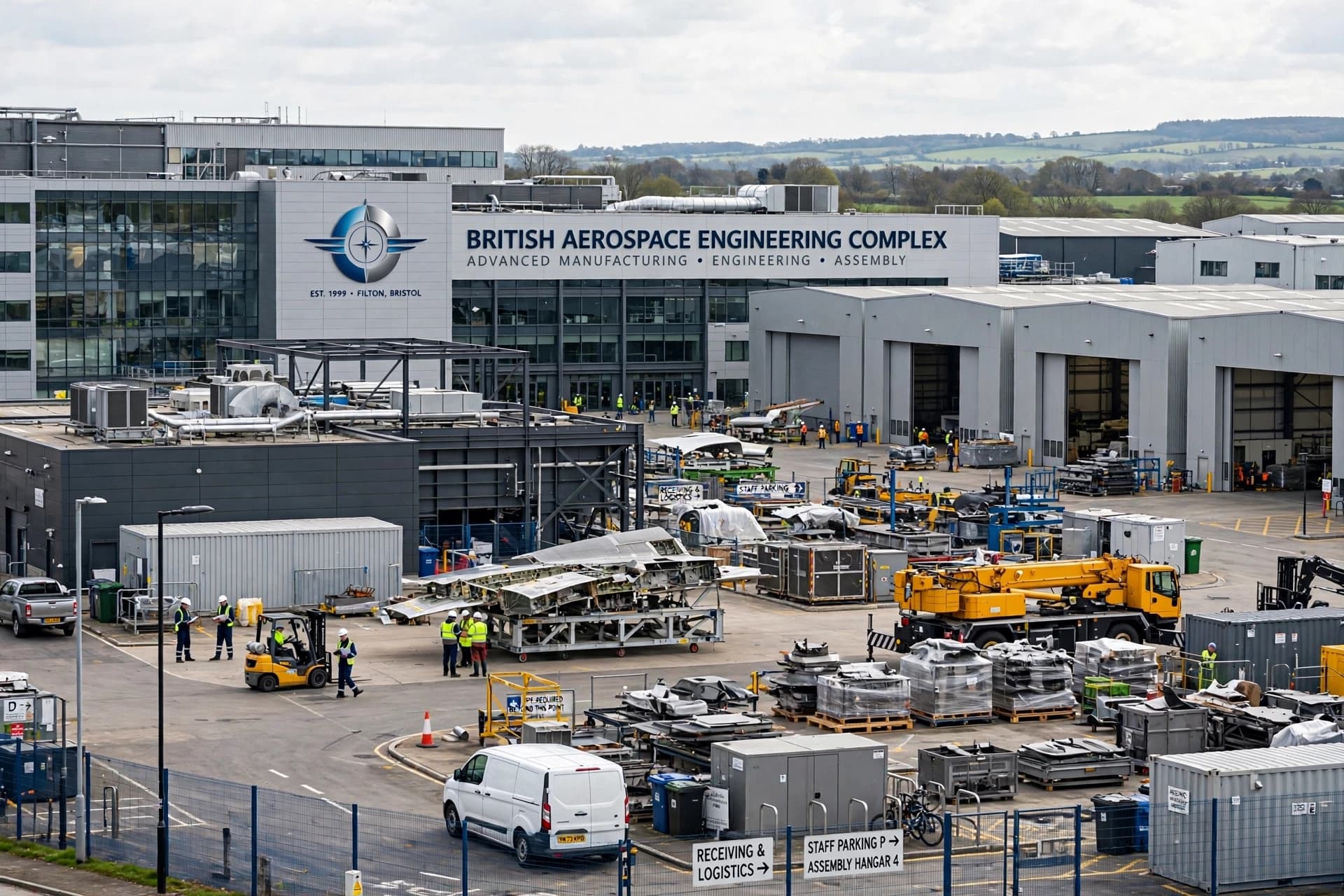
In Bristol, more than £90 million is planned for a major facility upgrade. The site supports military power and propulsion activities and employs more than 3,500 people, according to Rolls-Royce. The work is expected to include upgraded infrastructure, digital systems and expanded maintenance capabilities.
At Inchinnan, £43 million will be used for new machinery capable of manufacturing additional engine components. Rotherham is set to receive £19 million for its advanced blade-casting facility, with the company expecting the program to double production of advanced turbine blades by 2030.
Ansty will receive a further £5 million for machinery upgrades. While each individual project has a different purpose, together they form part of a wider effort to increase manufacturing capability across several regions rather than concentrating new capacity in one location.
The investment also reaches beyond Rolls-Royce itself. The company said it spent more than £2.8 billion with UK-based suppliers during 2025, with most of that spending going to businesses outside London and southeast England. The new investment therefore has a connection to a broader network of engineering companies and component manufacturers.
Rolls-Royce said it has invested more than £3 billion in the United Kingdom since the beginning of its transformation program in 2023. The company reported a 46% increase in underlying operating profit to £2.5 billion for the first half of 2026, supported by demand across its aerospace and defence businesses.
The scale of the spending also reflects the long production cycles common in aerospace. Facilities built or upgraded today may support aircraft engines and engineering programs for many years, making industrial investment less about an immediate change and more about preparing the physical foundation for future production.
For Britain’s manufacturing regions, the significance can be seen in the machinery, buildings and specialist skills that sit behind the final products. An aircraft engine may eventually cross continents, but its story begins much earlier, inside factories where engineers, technicians and suppliers work through processes that can take years to develop.
Rolls-Royce’s £300 million commitment therefore adds another chapter to the long relationship between British engineering and global aerospace. From Derby and Bristol to Glasgow, Rotherham and Warwickshire, the investment places new emphasis on the factories and technical capabilities that remain at the center of the company’s industrial network.
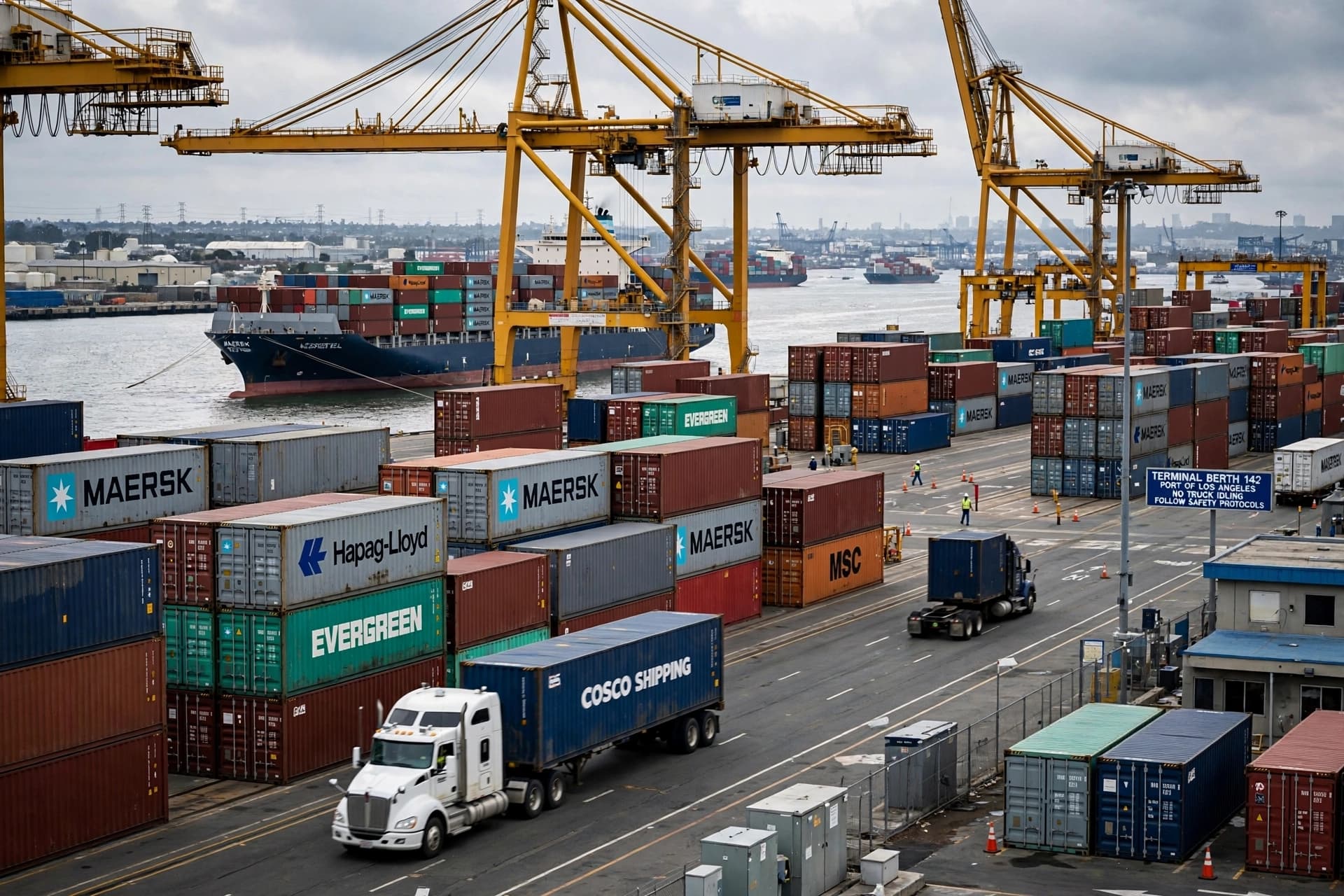
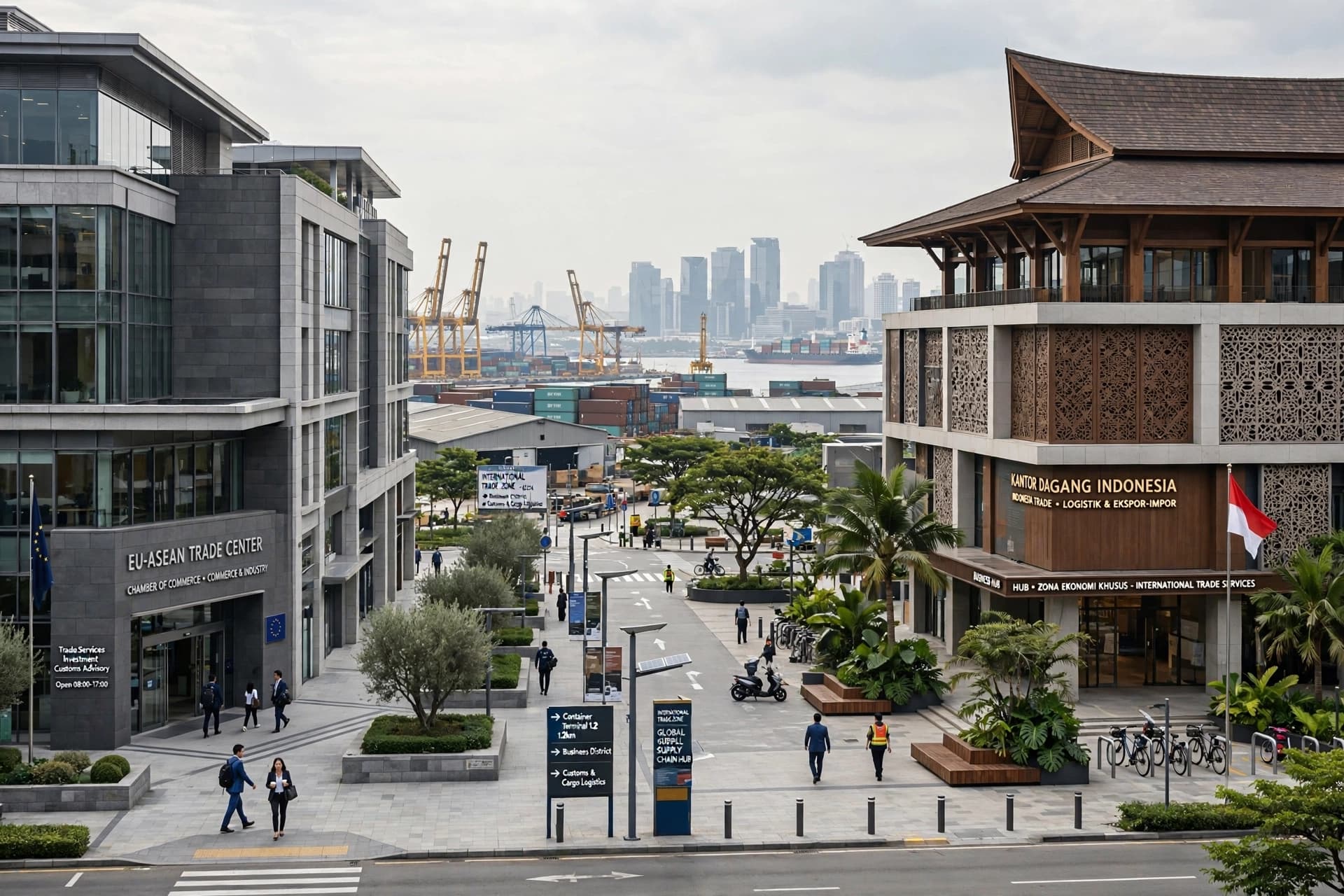
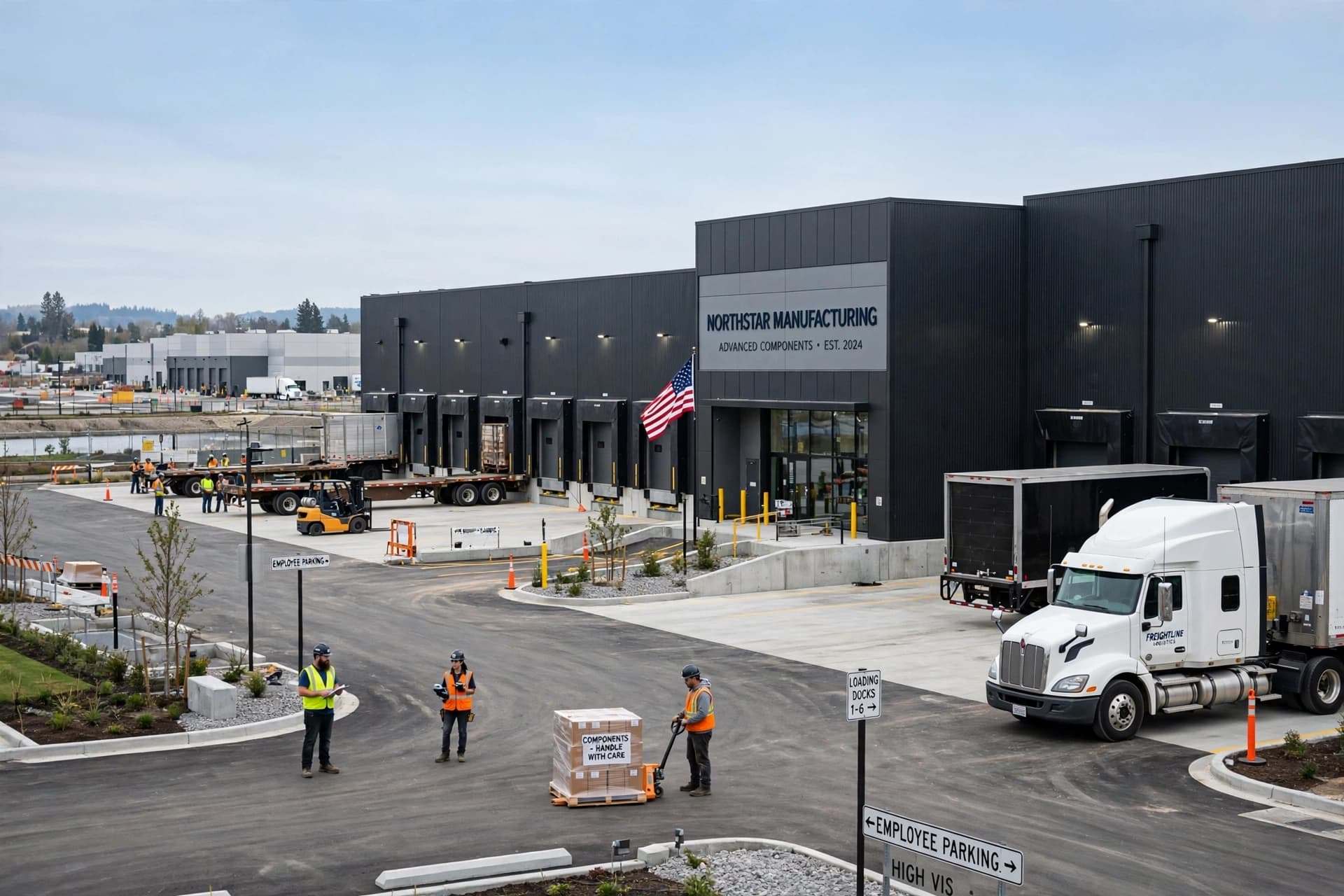
Image Disclaimer: The illustrations described below are conceptual visualizations created for editorial purposes and are not photographs of the reported investment projects.
Sources: Reuters; Rolls-Royce.
Published by Banx Network. This article is part of the Banx decentralized media programme, powered by the BXE token on the XRP Ledger.