
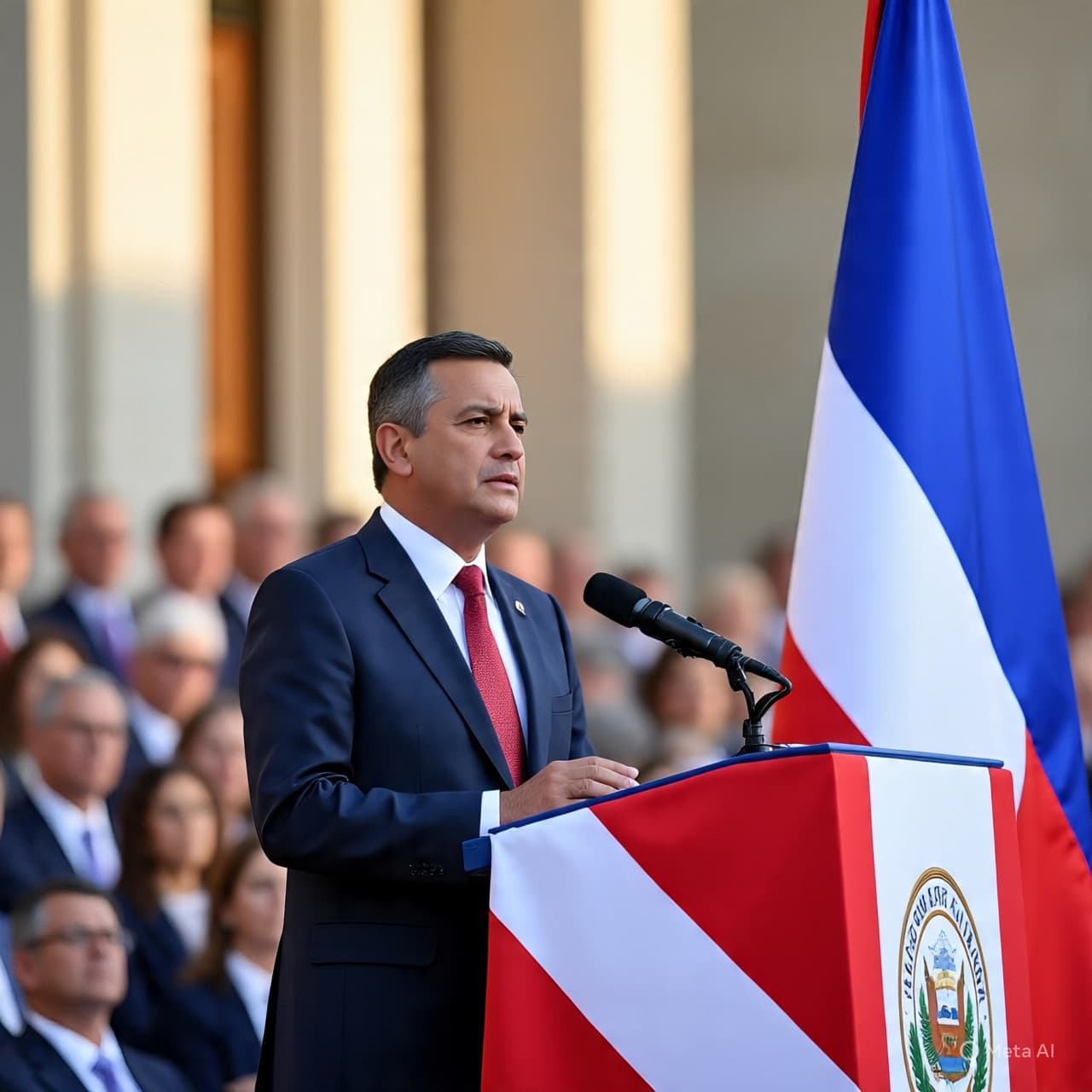
Key Highlights
- Rodrigo Chaves Fernández's presidency signals a rightward shift in Costa Rica.
- His policies focus on economic reforms and stricter immigration controls.
- The election reflects broader trends in Latin America toward conservatism.
In the ever-shifting political landscapes of Latin America, the rise of new leaders often signals not just a change in direction but a deeper, almost imperceptible shift in the undercurrents of the region's future. When Rodrigo Chaves Fernández secured the presidency of Costa Rica, it was more than just a victory for him—it was a moment that echoed through the region, stirring conversations about the future of Latin American politics. Like a ship catching a gust of wind and steering into new waters, his ascent marks a turn toward the right, reflecting a broader regional trend that has seen other nations drifting in similar directions.
Costa Rica, often seen as an oasis of stability in Central America, has now joined the ranks of countries that are shifting toward more conservative policies. Fernández, a former finance minister with a no-nonsense approach to governance, promises economic reforms, strict immigration policies, and a firm stance against corruption. Yet, as the region watches, one must ask: Will this new direction bring the promise of prosperity, or will it deepen existing divisions within the country and the region?
Rodrigo Chaves Fernández's presidential victory in Costa Rica has sent ripples across Latin America, a region historically defined by political instability and shifting ideologies. His triumph is seen as part of a larger wave of rightward movements that have swept through the continent in recent years, from Brazil to Chile and beyond. With his background in economics, Fernández brings a different flavor of leadership—one focused on fiscal conservatism, curbing state spending, and addressing economic issues through more market-driven policies.
For Costa Rica, a country that has long prided itself on its strong democratic traditions and relative political stability, this change is striking. Fernández, who took office after a heated and divisive election, has promised to tackle the mounting public debt and reduce inefficiency in government institutions. He is also pushing for stricter immigration controls, claiming that this will protect the country’s economic interests and social fabric.
But as with any significant political shift, there are questions about the implications of such changes. Costa Rica’s move to the right is in many ways symbolic of the broader trend in Latin America, where populist, conservative governments have gained traction in response to dissatisfaction with traditional leftist parties. While some see Fernández's presidency as an opportunity to reinvigorate Costa Rica's economy and restore order, others fear that his policies may erode the country's progressive reputation, especially in areas such as environmental protections, LGBTQ+ rights, and healthcare.
What does this mean for Latin America's future? As Fernández takes office, many wonder whether his policies will create the stability he promises or whether they will add to the growing tension between the region’s conservative and progressive factions. Costa Rica’s decision to embrace a more conservative future reflects a broader pivot that is sweeping through Latin America, raising important questions about the region's identity and the role it will play in the global political order.
Rodrigo Chaves Fernández's victory marks the latest chapter in Costa Rica's political history and serves as a bellwether for the broader trends unfolding across Latin America. With his rightward-leaning policies on the economy, immigration, and governance, Fernández seeks to steer Costa Rica toward fiscal stability and economic growth. However, the country’s future will hinge on whether his approach can reconcile the political divisions within the nation and maintain the social stability Costa Rica has long been known for. As the region turns right, the world watches, waiting to see if this shift brings long-term prosperity or stirs up deeper unrest.
Published by Banx Network. This article is part of the Banx decentralized media programme, powered by the BXE token on the XRP Ledger.



