
Key Highlights
- Protest Date:A significant farmers' protest is scheduled for early February 2026 in Ljubljana.
- Key Figure:Franci Matoz, a lawyer with ties to the Slovenian Democratic Party, is a prominent organizer.
- Broader Context:The protest reflects growing concerns among farmers regarding economic pressures and regulatory changes.
[Protest Overview] In early 2026, Slovenia is poised for a significant rally as farmers and agricultural advocates prepare to gather in Ljubljana. This protest, set for early February, has garnered attention not only for its anticipated size but also for the influential figures involved in its organization. Central to this initiative is Franci Matoz, a lawyer with longstanding connections to the Slovenian Democratic Party (SDS) and a member of the Board of Directors of the Združenje slovenske kmečke iniciative (Association of the Slovenian Farmers’ Initiative).
Matoz's involvement has sparked discussions about the intersection of legal advocacy, political affiliations, and grassroots movements. Local media reports indicate that the protest will feature a demonstration in Trg republike, directly outside the Slovenian Parliament, and will include participation from various agricultural organizations. This convergence of interests highlights the complexities of mobilizing public support in the agricultural sector.
[Franci Matoz's Role] Franci Matoz has publicly clarified that his role in the protest is as a supporter of farmers rather than solely as a legal advisor. This distinction is significant for many participants and observers, as it raises questions about the motivations behind the protest and the potential influence of political networks on grassroots initiatives. The association, which was established in May 2024, emerged during a time of heightened political engagement with agricultural institutions and unions, indicating a strategic alignment of interests.
[Concerns Among Farmers] The planned gathering is part of a broader dialogue within Slovenia's agricultural community, where farmers have expressed growing concerns about economic pressures, regulatory changes, and the overall conditions affecting both producers and consumers. These issues resonate deeply within rural communities, where the livelihoods of many are intricately linked to land use and agricultural policy. The protest aims to amplify these voices, advocating for the needs and rights of farmers in the face of evolving challenges.
[Implications for National Discourse] As the protest date approaches, analysts are closely monitoring how the blend of grassroots engagement, organizational leadership, and legal expertise will influence not only the event itself but also the larger conversation surrounding agricultural priorities and political influence in Slovenia. The dynamics at play could reshape public representation in national affairs, particularly as they pertain to the agricultural sector.
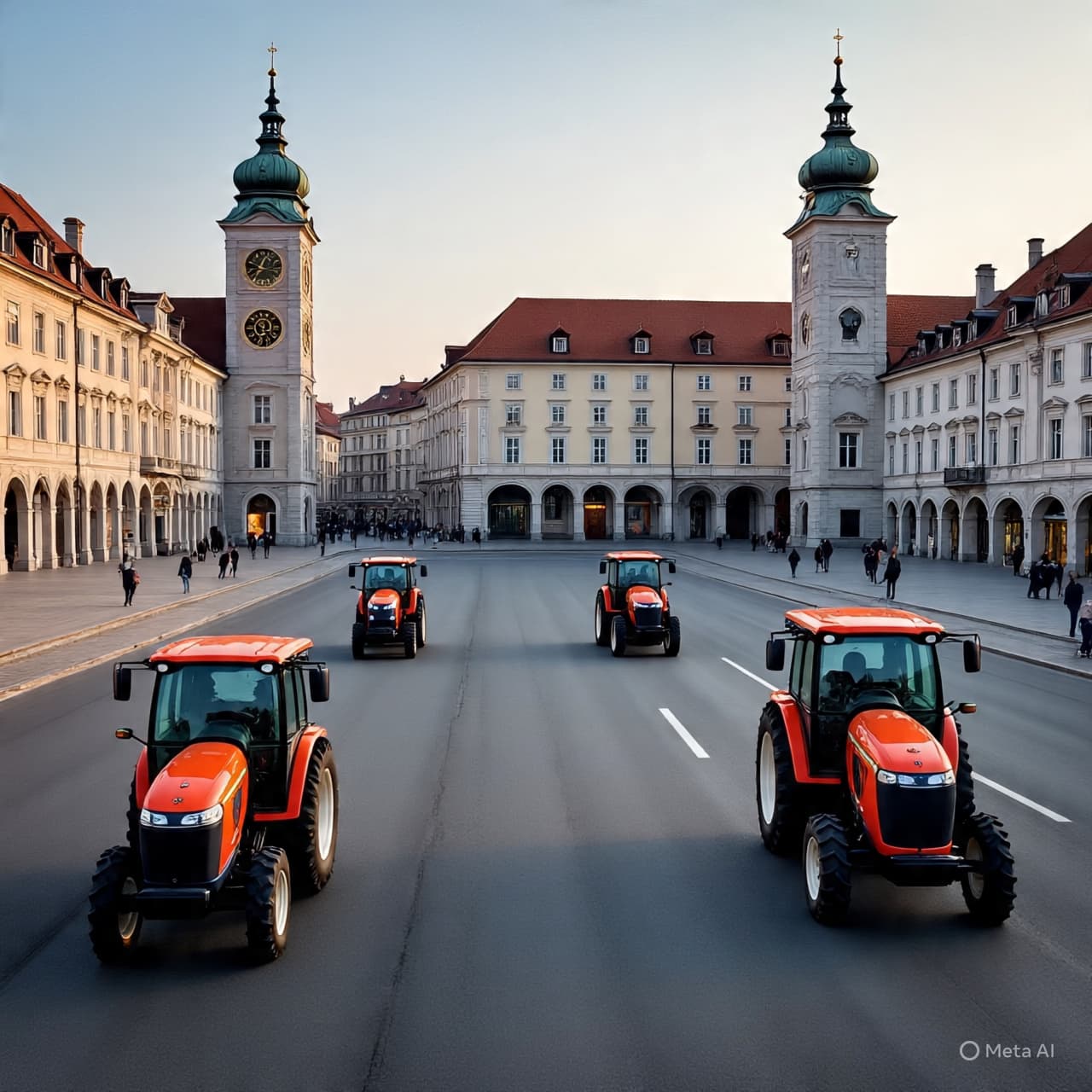
In the lead-up to the protest, the atmosphere is charged with anticipation. The story transcends the mere logistics of tractors on the road; it delves into the motivations that drive individuals from rural fields to the heart of the capital, seeking to make their voices heard in the corridors of power.
Published by Banx Network. This article is part of the Banx decentralized media programme, powered by the BXE token on the XRP Ledger.



