
Key Highlights
- Over 1,400 lives lost in Southeast Asia due to severe flooding.
- Climate change intensifies storms and rainfall, worsening flood impacts.
- Urgent need for infrastructure improvements and climate adaptation strategies.
The recent floods across Southeast Asia have been catastrophic, claiming over 1,400 lives and displacing thousands. Countries like Indonesia, Sri Lanka, and Thailand have faced unprecedented weather events, with entire villages cut off and critical infrastructure destroyed. The devastation serves as a stark reminder of the urgent challenges posed by climate change, which is reshaping the region's environmental landscape.
In 2024, atmospheric concentrations of greenhouse gases reached alarming levels, contributing to extreme weather patterns that have been described as 'turbocharged' by scientists. The region is warming nearly twice as fast as the global average, leading to more frequent and intense storms. This year’s floods are not merely a result of heavy rainfall; they are a manifestation of a changing climate that is increasingly unpredictable and destructive.
The science behind these events is clear: warmer air and seas can hold more moisture, which fuels storms and increases their intensity. Rising sea levels exacerbate storm surges, leading to more severe flooding, particularly when storms arrive late in the monsoon season. While the total number of storms may not increase significantly, their unpredictability and intensity pose a greater threat to vulnerable communities.
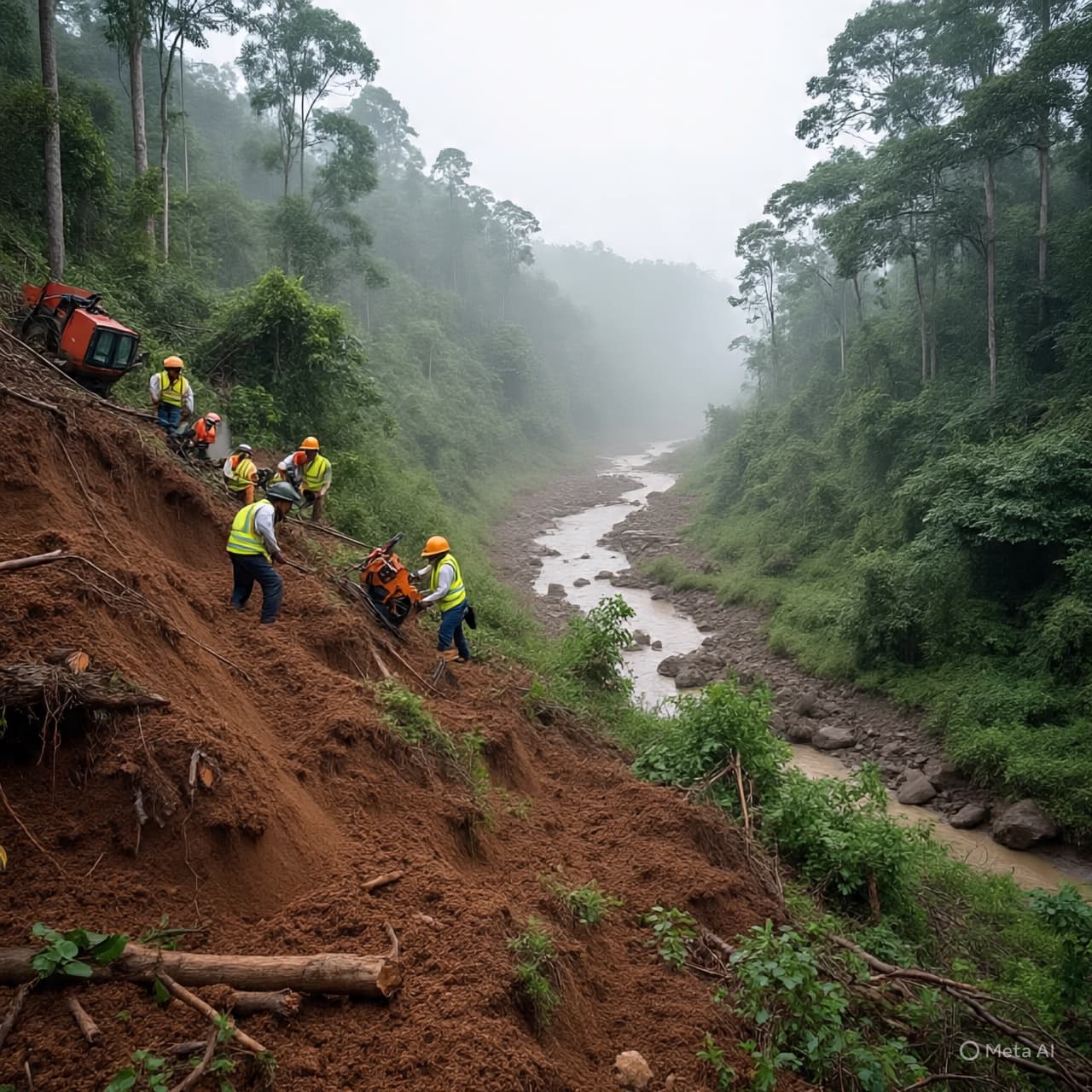
Human actions, such as deforestation and poor land management, have also contributed to the severity of the floods. In Indonesia, for instance, degraded landscapes have reduced natural water absorption, increasing the risk of landslides and flooding. The interplay between climate change and human activity highlights the need for comprehensive strategies to mitigate these risks.
The economic and social toll of the floods is staggering. Agriculture, homes, and livelihoods have been devastated, particularly in marginalized communities that are often the hardest hit by such disasters. The floods have not only caused immediate destruction but have also deepened existing inequalities, making recovery more challenging for those already facing economic hardships.
As Southeast Asia grapples with the aftermath of these floods, it is clear that this is not an isolated incident but rather a wake-up call. The region stands at a critical juncture, where urgent action is required to adapt to the realities of climate change. This includes investing in better infrastructure, developing early-warning systems, restoring ecosystems, and implementing climate-responsible policies.
The rising waters serve as a mirror reflecting humanity's choices and the urgent need for collective action. As communities mourn their losses, the call for reflection and proactive measures has never been more pressing. Without significant changes, the next deluge could bring even greater devastation, underscoring the importance of addressing climate change head-on.
Published by Banx Network. This article is part of the Banx decentralized media programme, powered by the BXE token on the XRP Ledger.



