
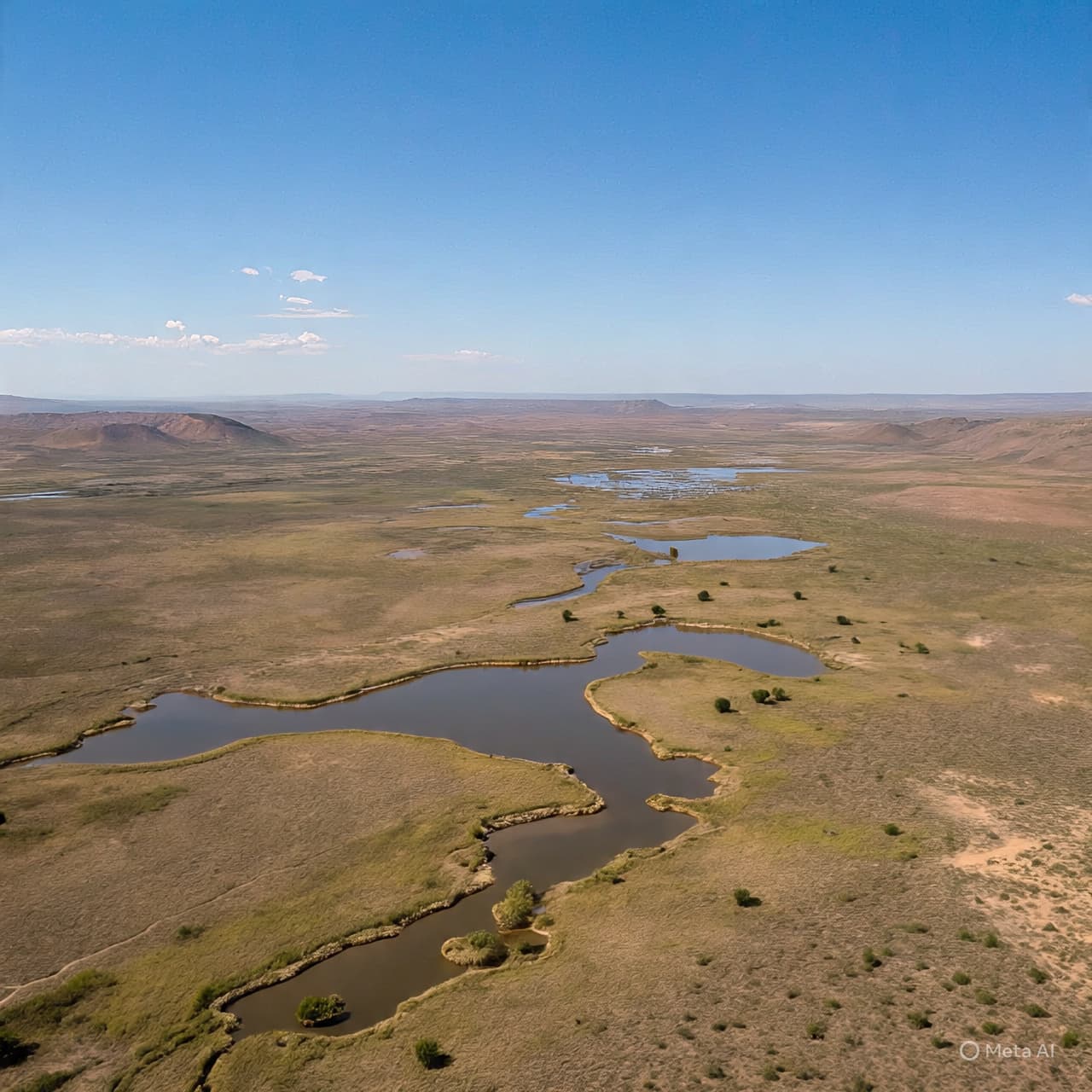
Key Highlights
- Increased Rainfall:Northern Namibia is forecasted to experience above-normal precipitation this season.
- Flood Risks:Communities are preparing for potential flooding, particularly in low-lying areas.
- Historical Context:Previous flood events have caused significant damage and displacement in the region.
As northern Namibia anticipates a season of heavy rains, the atmosphere is thick with apprehension. The quiet before the storm is palpable, as communities in regions like Oshana, Ohangwena, Oshikoto, and Omusati prepare for the possibility of flooding. Recent forecasts indicate that above-normal rainfall is expected, raising concerns about the potential for water levels to rise dangerously high.
The recent wet seasons have been a double-edged sword for Namibia. After enduring years of drought, the country welcomed one of the wettest rainfall seasons in decades, which replenished water reserves and revitalized grazing lands. However, this abundance has also led to significant flood damage in various parts of the country, particularly in the north and northeast. The local flood plains, known as oshana, can quickly overflow, inundating communities and disrupting daily life.
Government assessments have highlighted the likelihood of above-normal rains, especially along the border with Angola, where upstream rainfall can exacerbate flooding in Namibia's low-lying areas. Historical data shows that such conditions have previously resulted in widespread flooding, affecting roads, schools, and homes. Residents often find themselves seeking higher ground as waters rise, a situation that can escalate rapidly with even moderate rainfall.
In regions like Omusati and Ohangwena, the term efundja resonates deeply. This local term refers to the seasonal floods that accompany the rains, bringing both benefits and challenges. While these floods can rejuvenate soil and grazing lands, they also isolate communities, cut off access to essential services, and disrupt education. In extreme cases, schools have closed, and health facilities have become inaccessible, underscoring the precarious balance between the life-giving and destructive forces of nature.
The memories of past flood years, particularly the severe inundations of 2008 and 2011, loom large in the minds of residents. These events caused extensive damage, displacing thousands and highlighting the rapid rise of water levels during intense rainfall. As communities brace for the possibility of similar events this season, the urgency for preparedness becomes increasingly clear.
Authorities are emphasizing the importance of proactive water management and regular monitoring of water bodies. Preparedness measures are crucial in mitigating risks to life and property, especially in northern Namibia, where the landscape is characterized by low-lying topography and seasonal rivers. Conversations about safeguarding livestock, protecting homes, and ensuring access to essential services are becoming commonplace as the rainy season approaches.
As the region gears up for what could be another challenging season of heavy rains and rising water levels, the landscape itself seems to echo a warning. For communities living along the oshanas and near rivers, the potential for flooding is not merely a forecast; it serves as a reminder to remain vigilant, prepared, and proactive in the face of nature's unpredictable cycles.
Published by Banx Network. This article is part of the Banx decentralized media programme, powered by the BXE token on the XRP Ledger.



