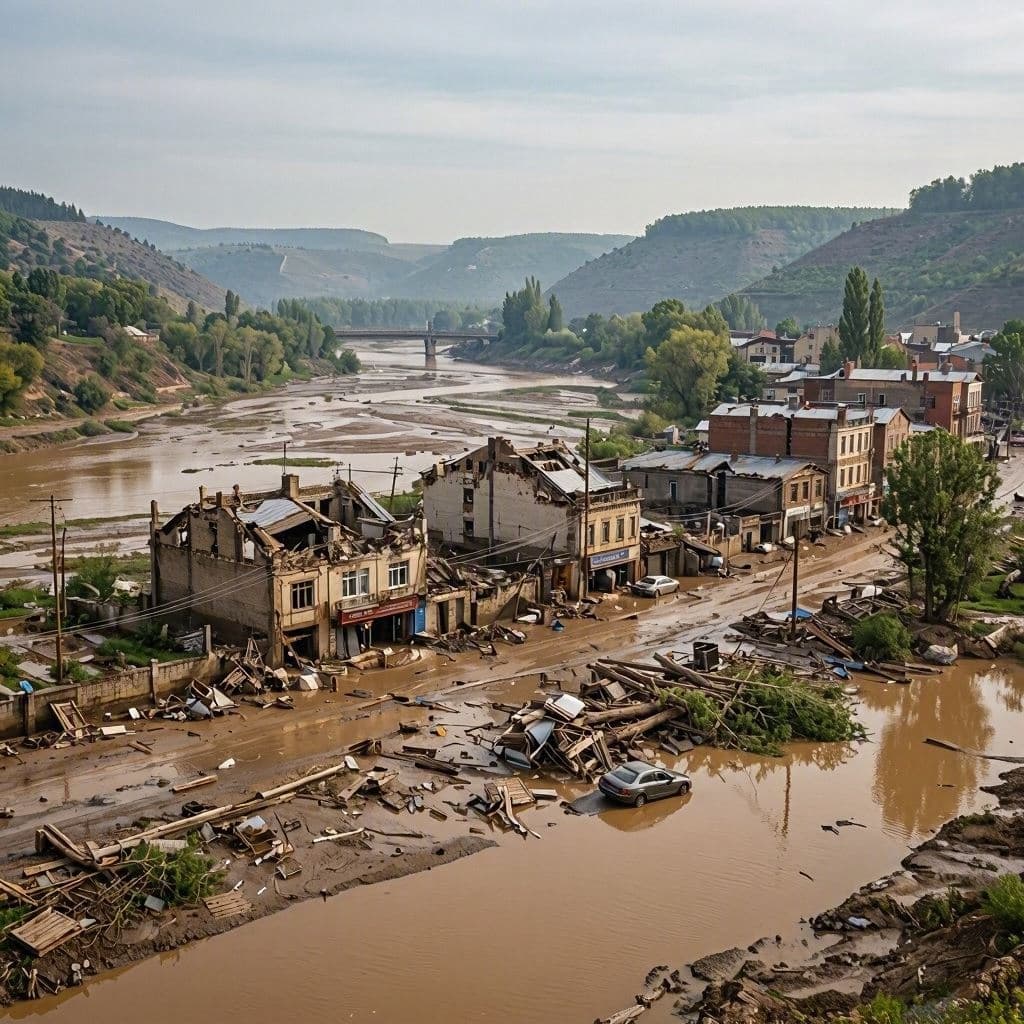
In the majestic yet fragile landscape of the Himalayas, where mountains touch the sky and rivers carve deep valleys, a recent catastrophe has left a trail of devastation. Catastrophic flash floods, triggered by extreme weather events, have swept through communities in Nepal and northern India, wiping out entire towns and leaving thousands displaced. The scale of the destruction has brought mounting grief to a region already vulnerable to climate change.
The floods, which surged with terrifying speed, destroyed bridges, homes, and infrastructure in minutes. Entire villages were submerged under mud and debris, cutting off access to essential services and isolating survivors. Rescue teams have worked tirelessly in dangerous conditions, searching for missing persons and providing aid to those who lost everything. The human toll is significant, with hundreds confirmed dead and many more still unaccounted for.
For the survivors, the loss is not just material but deeply emotional. Families have been separated, and centuries-old communities have been erased from the map. The psychological impact of such sudden disaster is profound, leaving scars that will take years to heal. Community leaders describe a sense of shock and disbelief, as residents struggle to comprehend the magnitude of what has happened.
Climate scientists point to warming temperatures as a key factor in these extreme weather events. Glacial melt and intense rainfall patterns are becoming more frequent, increasing the risk of flash floods and landslides in the Himalayan region. This event serves as a stark reminder of the urgent need for global action on climate change and better disaster preparedness in vulnerable areas.
The response from international aid organizations has been swift, with supplies and medical teams arriving to support local efforts. However, the remote nature of many affected areas makes logistics challenging. Roads are blocked, and communication lines are down, slowing the delivery of critical assistance. Coordination between governments and NGOs is essential to ensure that help reaches those who need it most.
Rebuilding will be a long and difficult process. Infrastructure must be restored, and homes rebuilt, but the question of whether to resettle communities in safer locations remains. Urban planning and environmental protection must go hand in hand to reduce future risks. Lessons learned from this tragedy can inform better policies for living in harmony with nature.
As the waters recede, the focus shifts to healing and recovery. Memorials are being held for the victims, and communities are coming together to support one another. In the face of such loss, resilience emerges as a powerful force. The Himalayas, though shaken, stand firm, and so too do the people who call them home, determined to rebuild their lives.
AI Image Disclaimer: The images used in this report are AI-generated visuals created to illustrate the impact of natural disasters and community resilience.
Sources: PBS NewsHour, The New York Times, Al Jazeera
Published by Banx Network. This article is part of the Banx decentralized media programme, powered by the BXE token on the XRP Ledger.