Waterways are often the lifelines of communities, connecting remote villages and facilitating trade. In Guyana, rivers serve as vital arteries for transportation, but they also carry inherent risks. A recent ferry disaster has shattered this routine, leaving approximately 100 people feared dead and countless families in anguish. The tragedy has sparked urgent demands for answers, accountability, and improved safety measures. This heartbreaking event invites us to reflect on the fragility of life and the critical importance of regulatory oversight in public transport.
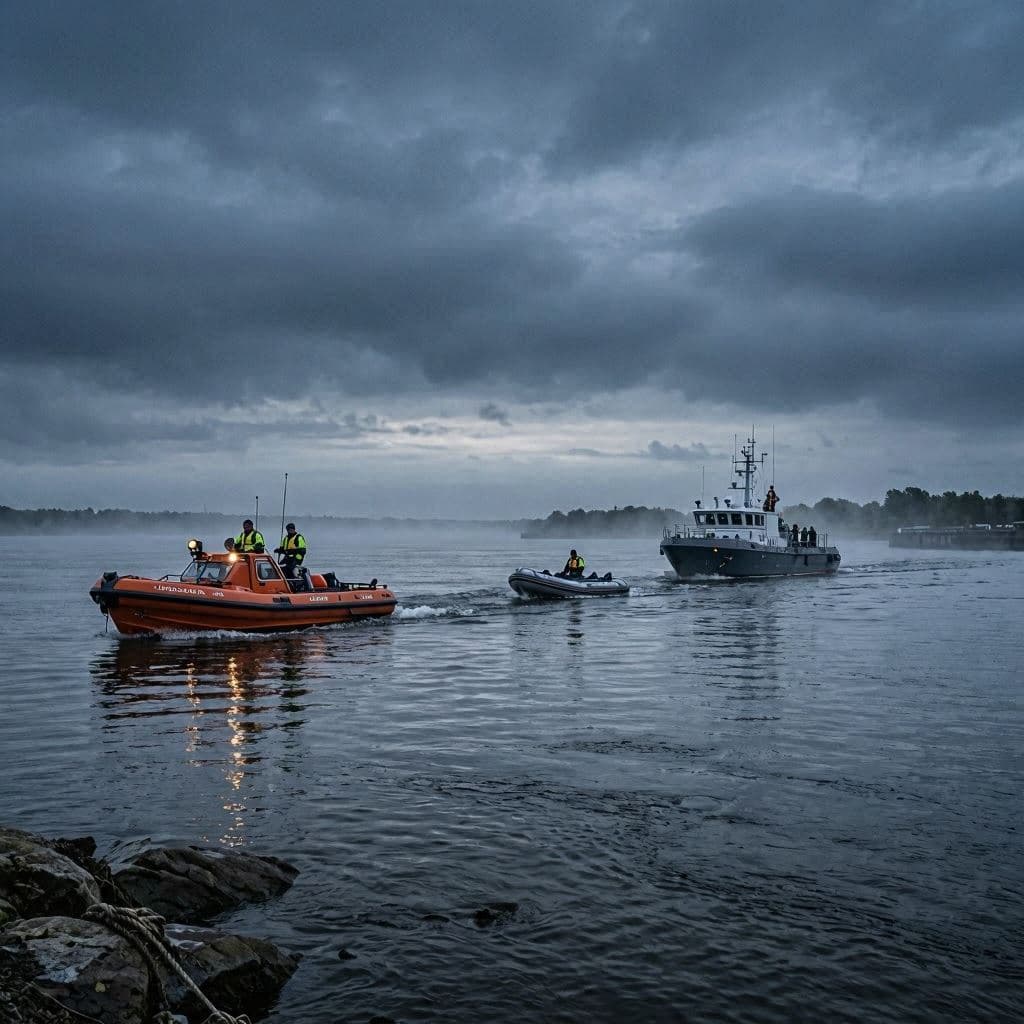
Body: The ferry, overcrowded and reportedly navigating difficult conditions, capsized in the murky waters of a Guyanese river. Rescue operations have been hampered by strong currents and limited resources, making the recovery of bodies and survivors a slow and painful process. For the families waiting on the banks, every hour brings renewed anxiety and grief. The scale of the loss is staggering, affecting entire communities who relied on this service for daily travel.
Initial reports suggest that overloading and mechanical failure may have contributed to the accident. Ferries in the region often operate beyond capacity due to high demand and limited alternatives. This practice, while common, poses significant safety risks. The disaster highlights the urgent need for stricter enforcement of passenger limits and regular maintenance checks. Without these safeguards, the cost of convenience can be devastatingly high.
Families of the victims are demanding transparency from authorities. They seek to know why safety protocols were ignored and who is responsible for the lapse in oversight. Their calls for justice are not just about compensation but about preventing future tragedies. They want assurance that such a loss of life will not be repeated, that their loved ones’ deaths will lead to meaningful change.
The government has promised a thorough investigation, pledging to hold those accountable liable. However, trust in official responses is often fragile, especially in regions where regulatory enforcement has historically been weak. Communities are looking for concrete actions, such as improved infrastructure, better-trained crews, and emergency response capabilities, rather than just words.
This incident also sheds light on the broader challenges of transportation in developing nations. Limited funding, geographic obstacles, and rapid urbanization create a complex environment for safe transit. Addressing these issues requires sustained investment and political will. It is a reminder that infrastructure is not just about building roads and bridges, but about ensuring their safe and reliable operation.
International aid and expertise may be offered to assist with the rescue and investigation efforts. Collaboration can bring additional resources and technical knowledge, helping to manage the immediate crisis and plan for long-term improvements. Yet, the primary responsibility lies with local authorities to prioritize the safety of their citizens.
Closing: As the search continues and the toll rises, the Guyana ferry disaster stands as a somber reminder of the human cost of negligence. Families deserve answers and justice. Moving forward, the focus must be on implementing rigorous safety standards to protect those who rely on these vital waterways.
AI Image Disclaimer: Images included here are AI-generated conceptual illustrations of river landscapes and rescue operations, designed to visualize the themes of maritime safety and community impact.
Sources: Al Jazeera Reuters BBC News Caribbean News Now
Published by Banx Network. This article is part of the Banx decentralized media programme, powered by the BXE token on the XRP Ledger.