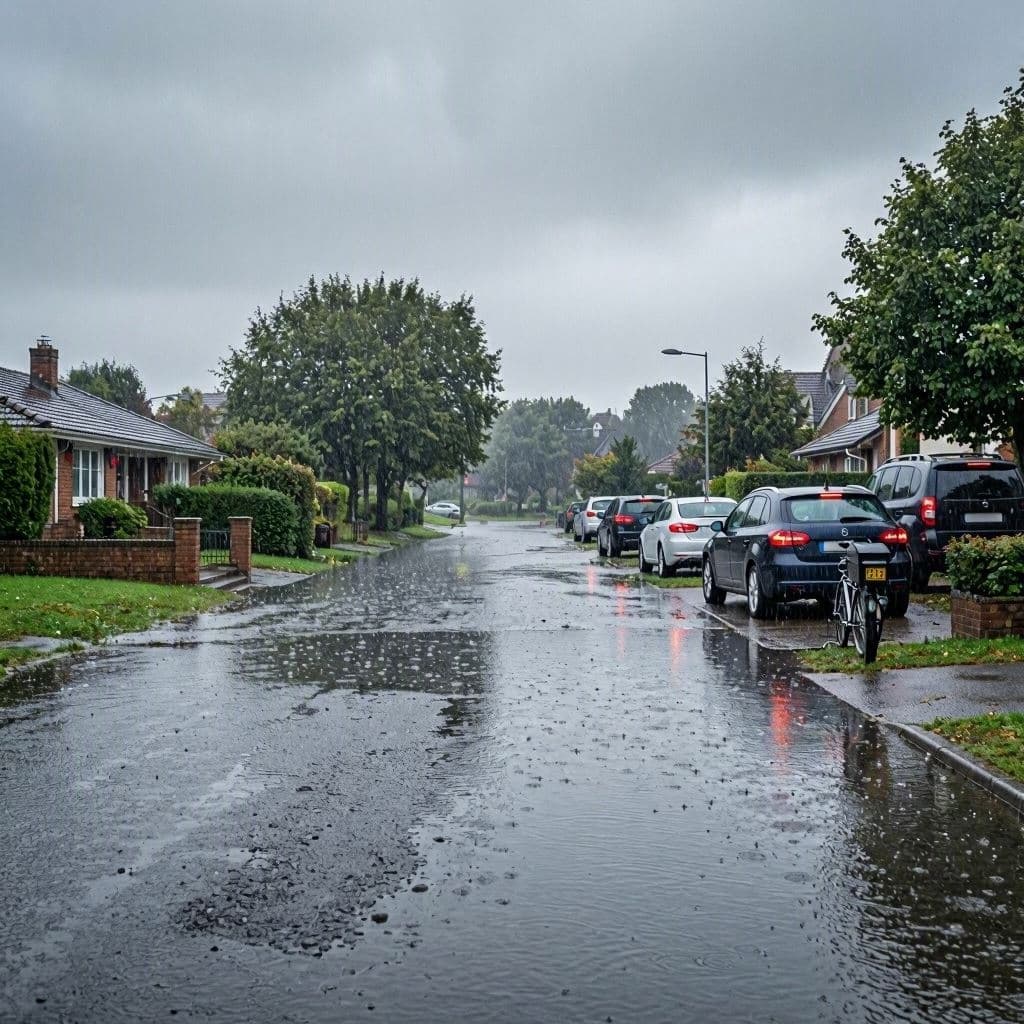
The rhythm of the seasons on the East Coast has long been defined by its predictability, yet recent weather patterns have introduced a note of discord into this familiar melody. Torrential rains have swept across several states, transforming quiet streets into rushing rivers and reminding residents of the delicate balance between human settlement and natural forces. The flooding, while localized in some areas and widespread in others, serves as a poignant reminder of the increasing volatility of our climate.
From the Carolinas to the Mid-Atlantic, communities have woken to find their basements submerged and their commutes disrupted. The sheer volume of water, falling in short bursts, overwhelmed drainage systems designed for a different era of rainfall intensity. For homeowners, the damage is both financial and emotional, as cherished possessions are lost to the murky rise of floodwaters. The sound of rain, once a comfort, has become a source of anxiety for many.
Emergency responders have worked tirelessly, navigating swollen creeks and blocked roads to assist those stranded or in danger. Their efforts highlight the resilience of local infrastructure and the dedication of public servants who stand on the front lines of natural disasters. Yet, even with swift action, the scale of the event has stretched resources thin, leaving some neighborhoods waiting longer than others for relief.
The economic impact is immediate and tangible. Small businesses face closures due to water damage, while agricultural lands suffer from soil saturation that threatens upcoming harvests. Insurance claims are expected to surge, adding pressure to an industry already grappling with the rising costs of climate-related disasters. For many families, the recovery process will be long and arduous, requiring patience and community support.
Meteorologists point to a warming atmosphere as a key factor in these intense precipitation events. Warmer air holds more moisture, leading to heavier downpours when storm systems pass through. This scientific context does little to dry out a living room, but it provides a crucial framework for understanding why such events are becoming more frequent and severe. It underscores the need for adaptive strategies in urban planning and infrastructure development.
Community spirit, however, shines through in the aftermath. Neighbors help each other pump out water, share supplies, and offer shelter. Local organizations mobilize quickly, providing food and counseling to those affected. These acts of kindness serve as a counterpoint to the destruction, reinforcing the social fabric that holds communities together in times of crisis. It is a testament to the enduring strength of human connection.
As the waters recede, the focus shifts to rebuilding and reflection. Officials are reviewing flood maps and zoning laws to better prepare for future events. For residents, the experience is a call to action, urging greater awareness of environmental risks and the importance of sustainable practices. In the face of nature’s power, preparation and unity remain our most effective tools for resilience.
AI Image Disclaimer: The visual representations in this article are AI-generated illustrations designed to convey the impact of heavy rainfall and flooding on coastal communities.
Sources: The Washington Post, NOAA, NBC News
Published by Banx Network. This article is part of the Banx decentralized media programme, powered by the BXE token on the XRP Ledger.