
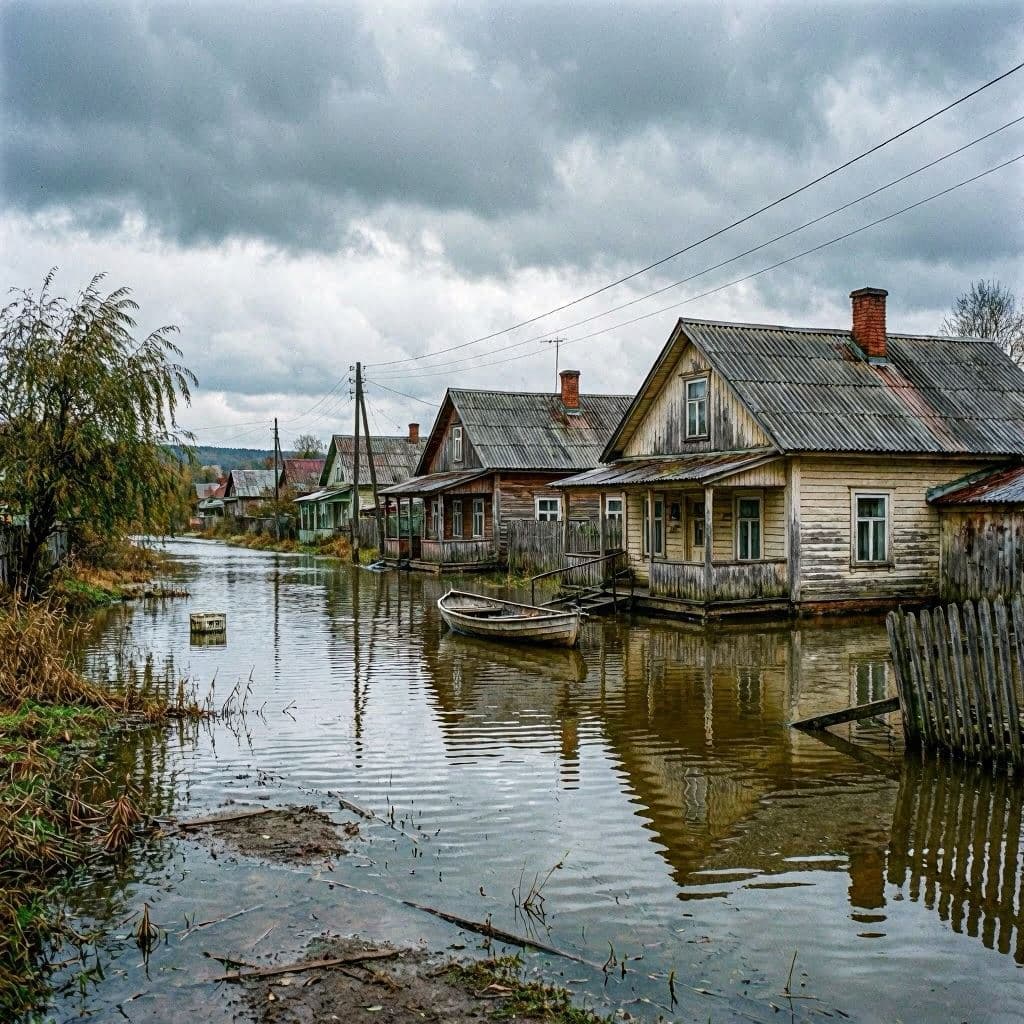
Key Highlights
- Recent floods in Bangladesh have submerged vast areas, affecting millions.
- The agricultural sector faces severe losses, threatening food security.
- Emergency services are working tirelessly to deliver aid amid rising health risks.
The recent floods in Bangladesh have become a stark reminder of the country's vulnerability to climate change. Heavy monsoon rains and upstream water flow have led to widespread inundation, leaving millions stranded and disrupting daily life. As the waters rise, so does the death toll, underscoring the urgent need for humanitarian response and long-term strategic planning to support affected communities.
The floods have wreaked havoc on agriculture, a primary livelihood for many in Bangladesh. With fields submerged and livestock lost, farmers are left to grapple with the devastating impact on food security and economic stability. The destruction of crops not only threatens immediate sustenance but also has long-term implications for families, affecting education and health. The economic shock ripples through communities, highlighting the delicate balance between human survival and environmental forces.
In response to the crisis, emergency services and volunteers are working tirelessly to reach those in need. Utilizing boats and helicopters, they are delivering essential aid, often under perilous conditions. However, the scale of the disaster has stretched resources thin, necessitating international support and cooperation. The solidarity displayed by neighbors and strangers alike serves as a testament to the strength of community spirit in times of crisis.
Climate change plays a significant role in exacerbating the frequency and intensity of such floods. Rising sea levels and unpredictable weather patterns make Bangladesh one of the most vulnerable countries globally. This disaster serves as a local manifestation of a broader global issue, reminding us that environmental challenges transcend borders and disproportionately affect the most vulnerable populations.
Health risks are escalating in the wake of the floods, with outbreaks of waterborne diseases like cholera and diarrhea becoming increasingly common. Medical teams are prioritizing prevention and treatment, establishing temporary clinics in safer areas. Public health messages emphasizing hygiene and safe water practices are crucial to preventing further suffering. The health crisis, often invisible amidst the visible destruction, requires sustained attention and resources.
Displacement is another significant consequence of the floods, with thousands seeking refuge in schools and community centers. While these temporary shelters provide safety, they often lack privacy and comfort. The psychological toll of losing one’s home and belongings is immense, leading to anxiety and uncertainty about the future. Support systems must address not only physical needs but also the emotional well-being of those affected.
As the waters begin to recede in some areas, the arduous task of cleanup and reconstruction commences. This long road ahead will require patience, resources, and collective effort. The resilience of the Bangladeshi people is evident in their determination to rebuild and restore normalcy, inspiring hope amidst the devastation.
In conclusion, the floods in Bangladesh serve as a poignant reminder of nature’s power and human fragility. They call for compassion, support, and proactive measures to mitigate future risks. As the world watches, the hope is that aid reaches those in need and that lessons learned lead to greater resilience and sustainability.
Published by Banx Network. This article is part of the Banx decentralized media programme, powered by the BXE token on the XRP Ledger.



