

Key Highlights
- Recent flooding in West Virginia has caused significant damage to homes and infrastructure.
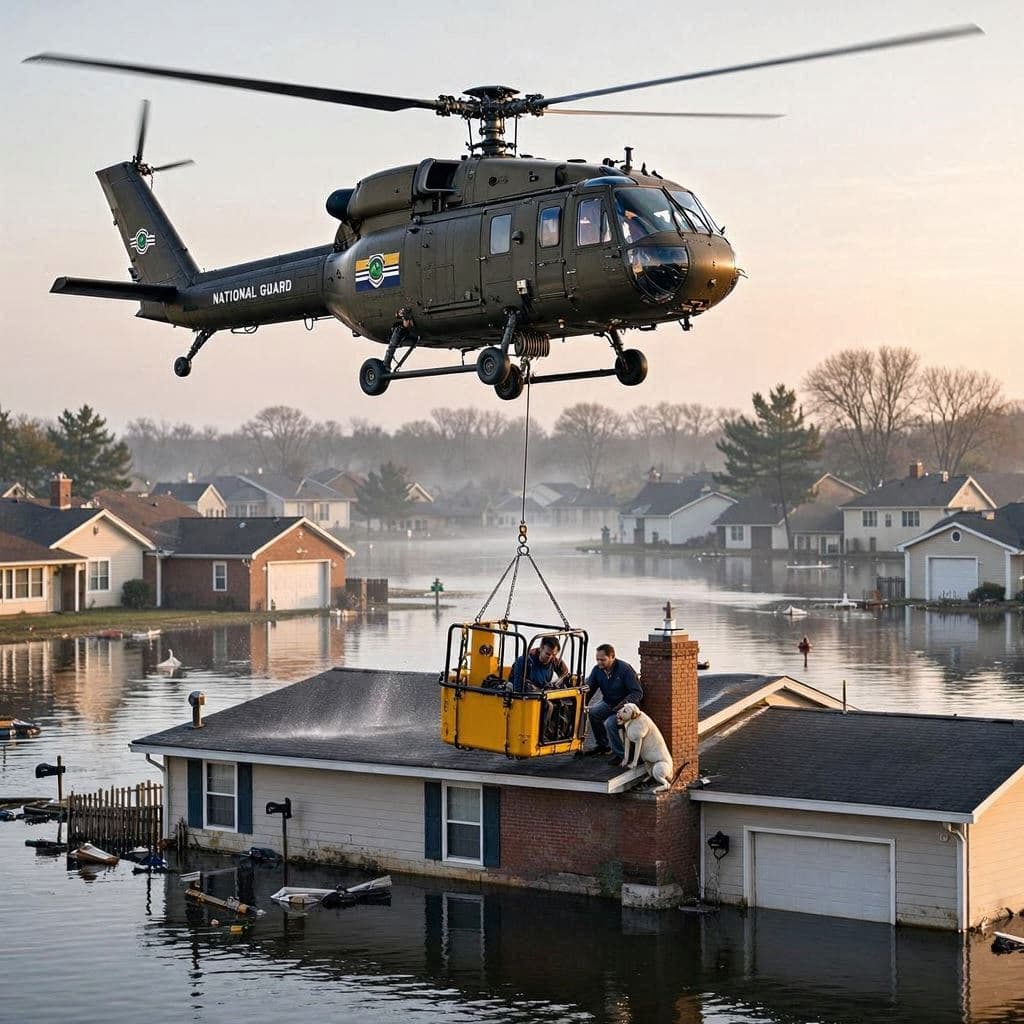
- The National Guard has been deployed to assist with rescue and recovery operations.
- Communities are rallying to support local businesses affected by the disaster.
West Virginia is currently grappling with the aftermath of severe flooding triggered by torrential rains that swept through the region. The rapid rise of water levels has led to flash floods, submerging neighborhoods and isolating residents. In response to this crisis, the West Virginia National Guard has been mobilized to assist local emergency services in rescue and recovery efforts, highlighting the resilience of communities facing the increasing frequency of extreme weather events.
The flooding struck with little warning, overwhelming rivers and inundating low-lying areas. Many residents found themselves trapped as roads became impassable and bridges were compromised. This situation has underscored the vulnerability of local infrastructure to climate-driven weather patterns, raising concerns about future preparedness and resilience.
Governor Patrick Morrisey has activated Soldiers and Airmen of the National Guard to support high-water rescues, debris removal, and logistical assistance in affected areas. Their presence provides a sense of stability and hope to those who have lost everything in a matter of hours. The National Guard's involvement is a visible sign that help is on the way, offering reassurance to communities in distress.
Rescue operations have faced numerous challenges due to the dangerous conditions created by the flooding. First responders have utilized helicopters and boats to reach stranded individuals, many of whom have had to seek refuge on their rooftops. The bravery and dedication of these responders are commendable, as they work tirelessly in hazardous environments to ensure that no one is left behind.
The economic impact of the flooding on local businesses is substantial. Shops, restaurants, and small enterprises are facing costly repairs and significant revenue losses. For many business owners, the flood represents a setback that may take years to recover from. Community support networks are stepping up to provide assistance, but the scale of the damage necessitates substantial resources and time for recovery.
Environmental concerns have also arisen from the flooding, as contaminants from industrial sites and households may have been swept into local waterways, posing risks to water quality and ecosystems. Cleanup efforts must address not only visible debris but also hidden hazards that could have long-term health and environmental implications. This complex task requires careful planning and coordination among various stakeholders.
As the waters recede, the focus shifts to recovery and rebuilding efforts. Residents are beginning the arduous process of cleaning their homes and assessing damages. Insurance claims are being filed, and government aid is being sought to assist in the recovery process. While the road to normalcy is long, the collective effort of the community provides strength and encouragement to those affected.
The deployment of the National Guard in West Virginia is a critical response to a natural disaster that has profoundly impacted lives. As the state begins to heal, this event serves as a stark reminder of nature's power and the importance of preparedness. Through unity and support, communities can withstand even the most devastating floods.
Published by Banx Network. This article is part of the Banx decentralized media programme, powered by the BXE token on the XRP Ledger.




