In the warm waters off the coast of Coron, Palawan, a tragedy has unfolded that has shaken the Philippines and drawn global attention. A ferry fire, which began earlier this week, has claimed at least 35 lives, with officials warning that the number is likely to rise as recovery efforts continue. The incident serves as a somber reminder of the risks inherent in maritime travel and the vulnerability of those who depend on it.
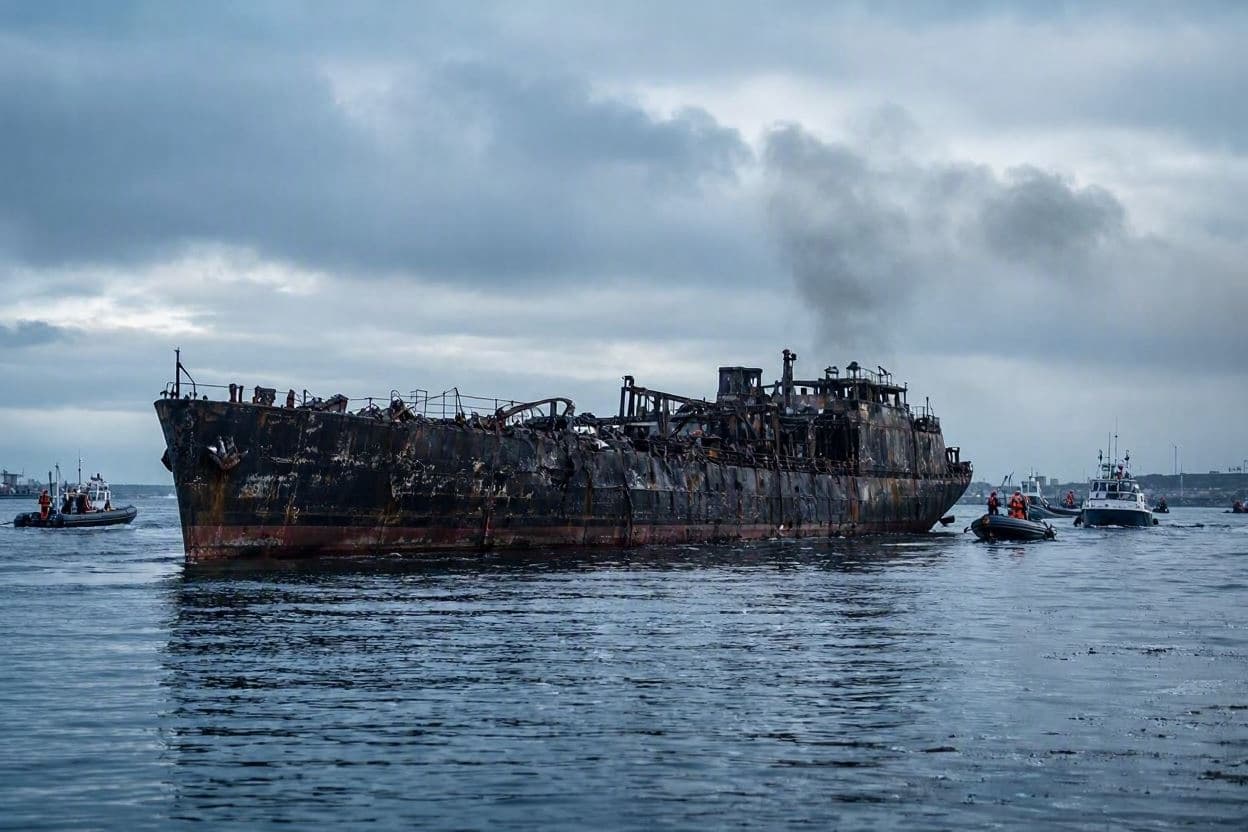
The fire broke out on the vessel while it was carrying over 130 passengers and crew. Panic ensued as flames spread rapidly through the ship, forcing many to jump into the sea or wait for rescue on deck. The Philippine Coast Guard and local authorities responded swiftly, rescuing dozens of survivors but struggling against the intensity of the blaze and the challenges of recovering bodies from the burnt hull.
As of Friday, 30 additional bodies were recovered, bringing the confirmed death toll to 35. More than 50 people remain missing, their families holding onto hope while fearing the worst. The search operation continues, with divers and rescue teams working tirelessly to locate those still unaccounted for. Each recovered body brings a mix of relief and sorrow, closing one chapter of uncertainty while opening another of grief.
Officials have stated that the toll is expected to grow, given the number of missing persons and the severity of the fire. The identification process is underway, requiring careful forensic work to ensure that each victim is recognized and returned to their loved ones. This painstaking process is a testament to the dignity afforded to the deceased, even in the midst of chaos.
The cause of the fire is under investigation, with authorities examining potential mechanical failures or human error. Maritime safety regulations are being reviewed in light of the incident, as questions arise about maintenance standards and emergency preparedness on board. The tragedy has sparked a national conversation about the need for stricter oversight and better safety protocols for inter-island transport.
For the communities affected, the loss is deeply personal. Many of the passengers were locals traveling for work or family visits, their lives cut short in an instant. The community has come together to support the bereaved, offering condolences and assistance in navigating the difficult days ahead. It is a display of resilience and compassion in the face of profound sadness.
As the nation mourns, the focus remains on the survivors and the families of the victims. The incident highlights the importance of vigilance and preparedness in all forms of travel. While the investigation seeks answers, the human cost remains the central story, a reminder of the fragility of life and the enduring power of community support in times of crisis.
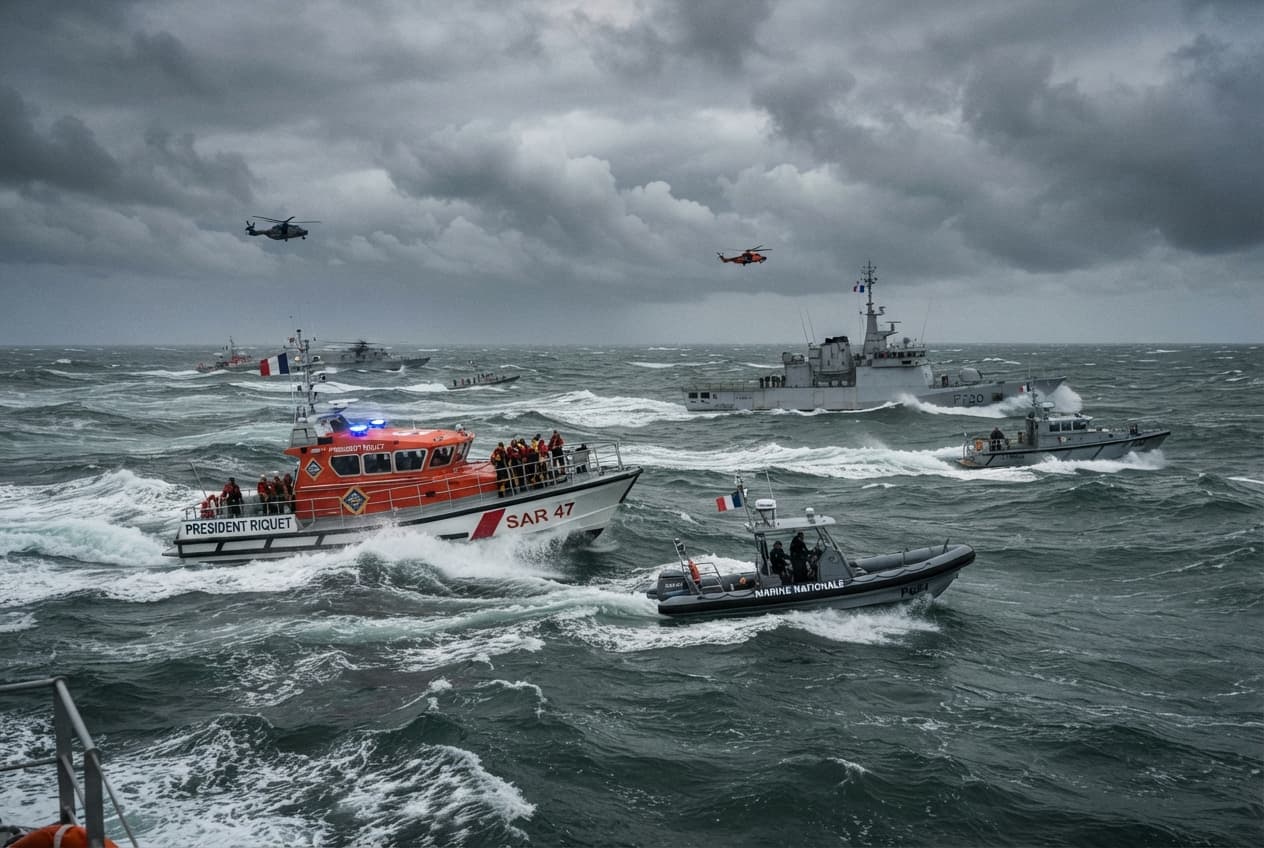
AI Image Disclaimer: The images used in this report are AI-generated visuals created to illustrate the context of maritime rescue and mourning.
Sources: Al Jazeera, Philippine Coast Guard, VnExpress International
Published by Banx Network. This article is part of the Banx decentralized media programme, powered by the BXE token on the XRP Ledger.