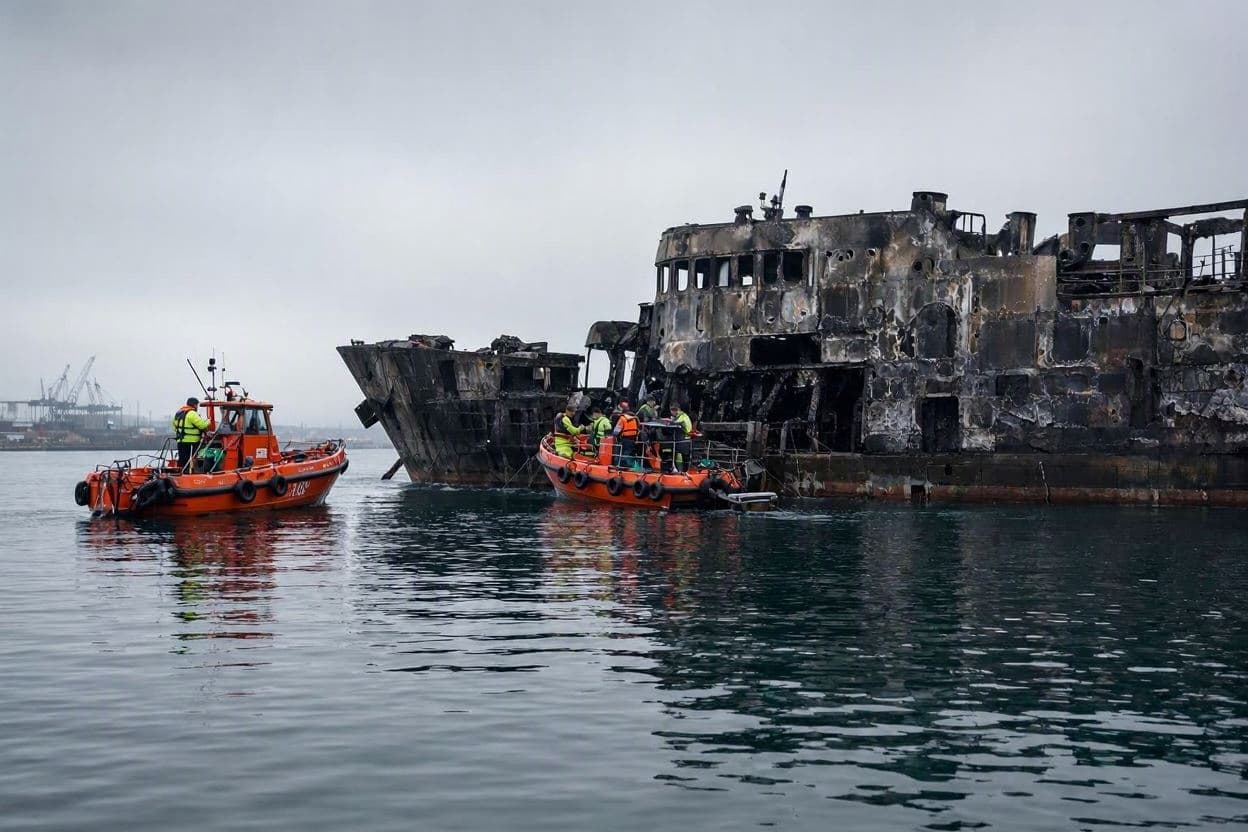
In the waters off the coast of Palawan, a tragedy has unfolded that has left a nation in mourning. The death toll from a devastating ferry fire has risen to 76, as rescuers continue to recover remains from the charred hull of the vessel. What began as a routine journey for passengers seeking transport between islands has turned into a profound loss, highlighting the risks inherent in maritime travel and the resilience of those who respond to disaster.
The fire, which broke out while the ferry was at sea, spread rapidly through the wooden and metal structure, trapping many on board. Panic and confusion likely reigned in the early moments, as passengers struggled to find escape routes amidst thick smoke and flames. The bravery of some crew members and fellow passengers who helped others jump into the water saved many lives, but for dozens, the outcome was fatal.
Recovery operations have been painstaking and emotionally taxing for the divers and rescue teams involved. Working in difficult conditions, they have sifted through the debris to locate victims, bringing a measure of closure to grieving families. Each body recovered is a name, a story, and a life cut short, reminding the community of the human cost behind the statistics. The process is slow, requiring care and respect for the deceased.
For the families of the missing, the wait has been agonizing. Hope and fear have coexisted in a painful limbo, with each update bringing either relief or despair. The rising death toll confirms their worst fears, leaving them to navigate the early stages of grief. Community support has been vital, with locals offering food, shelter, and companionship to those affected by the disaster.
Investigations into the cause of the fire are underway, with authorities examining potential factors such as electrical faults, fuel leaks, or safety violations. Maritime safety regulations are under scrutiny, as questions arise about the maintenance standards and emergency preparedness on board. The findings will be crucial for preventing similar tragedies in the future and ensuring that lessons are learned from this heartbreaking event.
The incident has sparked a national conversation about the safety of inter-island transport in the Philippines. With thousands of vessels operating in the archipelago, ensuring consistent safety standards is a significant challenge. Advocates are calling for stricter enforcement of regulations, better training for crew, and improved emergency equipment on all passenger ferries. It is a call for systemic change to protect lives.
As the recovery efforts near completion, the focus shifts to honoring the victims and supporting the survivors. Memorials and vigils have been held to remember those lost, creating spaces for collective mourning. In the face of such loss, the community’s unity and compassion shine through, offering a beacon of hope in dark times. The memory of the 76 victims will remain a poignant reminder of the need for vigilance and care.
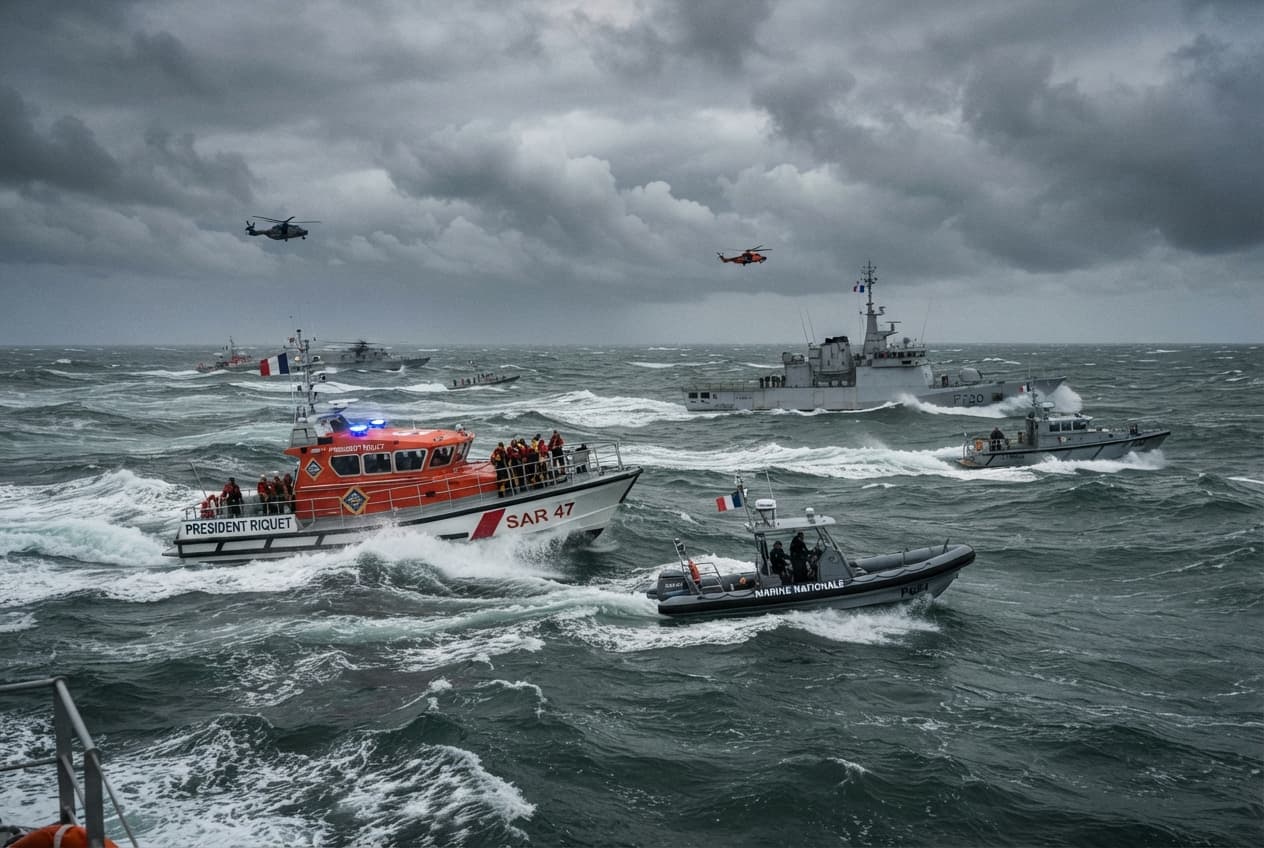
AI Image Disclaimer: The images used in this report are AI-generated visuals created to illustrate the somber context of the maritime disaster respectfully.
Sources: New York Times, Al Jazeera, CTV News
Published by Banx Network. This article is part of the Banx decentralized media programme, powered by the BXE token on the XRP Ledger.