
Key Highlights
- Trump promises swift resolution to Iran conflict if elected.
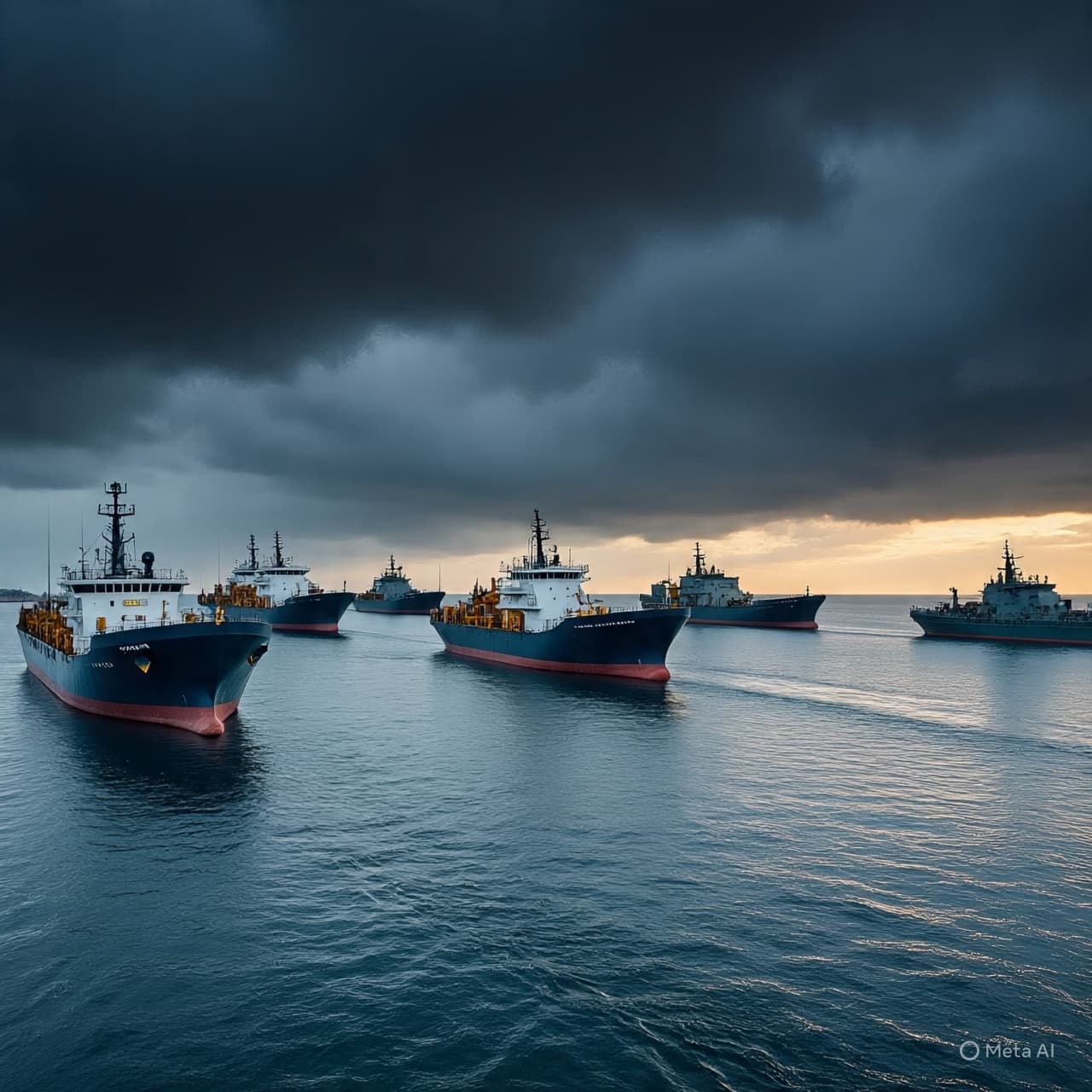
- Rising tensions reported in strategic maritime routes.
- Financial institutions warned of potential cyber threats.
Former U.S. President Donald Trump has made headlines once again, vowing to bring an end to the escalating conflict involving Iran should he reclaim the presidency. His remarks come at a time when tensions in the region are intensifying, particularly in strategic maritime areas crucial for global energy shipments. Reports indicate that commercial vessels navigating these waters have faced increasing risks, raising alarms among maritime security officials.
The situation has become increasingly complex, with incidents reported involving Iranian forces and allied groups targeting vessels in key transit corridors. These waterways are vital for the transportation of oil and commercial cargo, and any disruption could have significant implications for global supply chains. Security analysts emphasize that the risks are not limited to maritime threats; financial institutions across various regions have also received warnings of potential cyber or economic retaliation linked to the broader confrontation.
As the conflict unfolds, the implications for American service members stationed in the Middle East are becoming clearer. Reports of casualties among U.S. personnel highlight the dangers they face in a rapidly evolving security environment. While officials have been reticent to provide detailed information, the situation underscores the complexities of military deployments in a region fraught with tension.
Trump's public appearances and campaign events have increasingly focused on foreign policy, framing the current situation as one that requires decisive leadership and effective diplomacy. Political observers note that discussions surrounding international conflicts often become pivotal during U.S. election cycles, influencing how candidates articulate their visions for national leadership.
The international community is closely monitoring the situation, with shipping companies, banks, and energy markets on high alert. Disruptions to maritime trade or financial networks could have ripple effects that extend far beyond the immediate region, potentially destabilizing global economic conditions. As diplomatic channels remain active, several governments are working behind the scenes to prevent further escalation of tensions.
In conclusion, the current geopolitical landscape reflects a familiar pattern of military pressure, economic uncertainty, and political rhetoric. As leaders in Washington and across the region assess the evolving security environment, the pressing question remains: will the coming months bring de-escalation, or will tensions continue to ripple outward, affecting shipping lanes, financial networks, and global diplomacy?
Published by Banx Network. This article is part of the Banx decentralized media programme, powered by the BXE token on the XRP Ledger.



