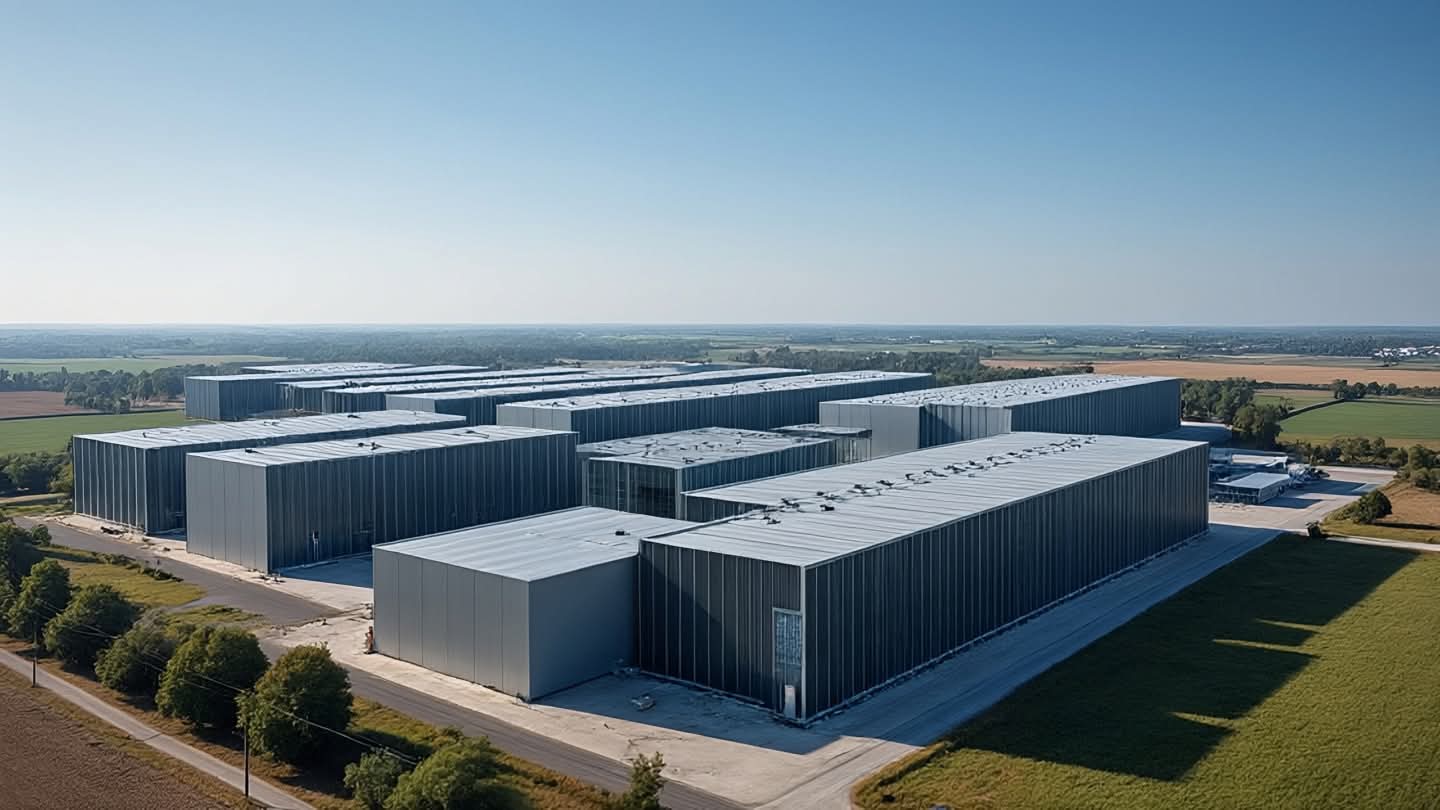
In the quiet towns and rural communities across America, a new political fault line is emerging, driven by the hum of servers and the demand for energy. Data centers, the physical backbone of the digital age, have become a contentious issue in recent midterm elections. Local residents, concerned about noise, water usage, and environmental impact, are mobilizing against proposed developments, turning what was once a technical infrastructure project into a heated political battleground.
The rapid expansion of artificial intelligence and cloud computing has fueled an unprecedented demand for data storage and processing power. Tech giants are scouring the country for locations with cheap land and reliable energy, often targeting rural areas with fewer regulatory hurdles. However, these communities are pushing back, arguing that the benefits of economic development do not outweigh the costs to their quality of life and natural resources.
For candidates in these races, the issue presents a delicate balancing act. Supporting data centers can mean aligning with powerful tech companies and promising jobs, but it risks alienating voters who feel their concerns are being ignored. Opposing them can garner local support but may be seen as anti-progress or economically shortsighted. Navigating this divide requires careful messaging and a deep understanding of local values.
Environmental concerns are at the heart of the backlash. Data centers consume vast amounts of electricity and water for cooling, straining local grids and aquifers. In regions already facing drought or energy shortages, this additional load is seen as unsustainable. Activists are demanding stricter regulations and greater transparency from tech companies, urging them to adopt more sustainable practices.
The political implications extend beyond local races. As data centers become a national issue, they are influencing broader debates about energy policy, climate change, and corporate responsibility. Candidates are being forced to take stands on these topics, shaping their platforms to address the growing anxiety about the environmental footprint of the digital economy. It is a sign of how local issues can have national resonance.
Community organizing has played a key role in amplifying these concerns. Residents are attending town halls, signing petitions, and forming coalitions to voice their opposition. This grassroots activism is demonstrating the power of local engagement in shaping development decisions. It shows that even in the face of corporate might, community voices can be heard and respected.
Tech companies are responding by engaging more with communities, offering incentives, and promising green initiatives. However, trust remains low, and many residents are skeptical of corporate promises. The success of future projects will depend on building genuine partnerships with local stakeholders, ensuring that benefits are shared and impacts are minimized. Collaboration is key to overcoming resistance.
In the end, the backlash against data centers is a reflection of the growing pains of the digital age. It challenges us to think critically about the costs of our connected world. For the midterm races, it is a test of leadership and responsiveness. The hope is that through dialogue and compromise, solutions can be found that support both technological progress and community well-being.
AI Image Disclaimer: Images accompanying this report are AI-generated artistic interpretations of server farms and rural landscapes, intended to visualize the context of the infrastructure debate without depicting real proprietary data center designs or specific protest events.
Sources: Reuters, The Verge, Politico, CNN
Published by Banx Network. This article is part of the Banx decentralized media programme, powered by the BXE token on the XRP Ledger.