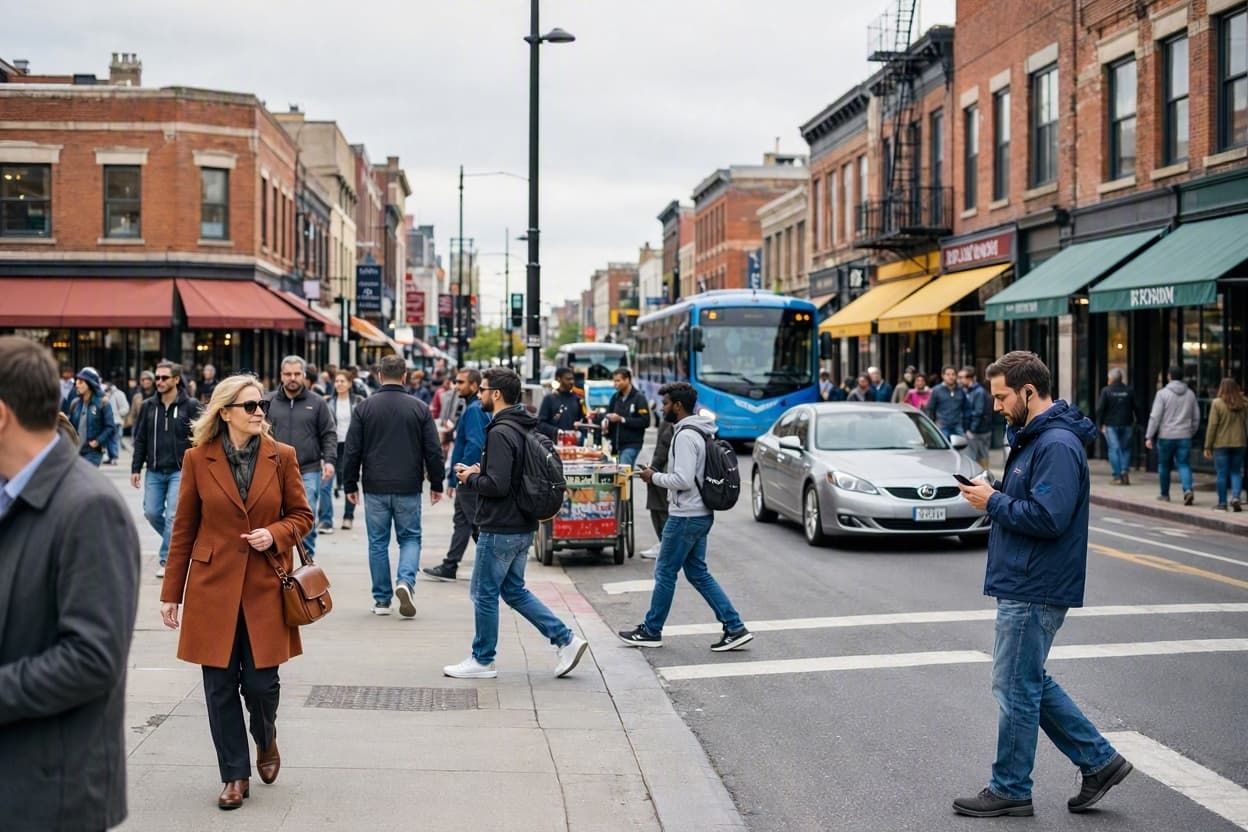
The morning sun drifts slowly over Havana’s harbor, catching the ripples of water that mirror the rhythm of a city accustomed to resilience. Streets awaken with the quiet persistence of life—vendors setting up their carts, music spilling from open windows—but beyond the familiar hum, distant currents of global tension ripple toward the Caribbean. Amidst conflicts far from its shores, the United States, under former President Donald Trump, has signaled a new focus: Cuba, a nation long entwined in historical contests of influence, now finds itself in the shadow of international attention once again.
The announcement is both deliberate and subtle, conveyed through speeches and policy hints, yet it carries weight that extends well beyond Washington’s corridors. Analysts note that the Caribbean, often overlooked in the tumult of Middle Eastern or Eastern European crises, has become a theater of strategic consideration, its ports, energy routes, and political alignment of renewed interest. Citizens in Havana and Santiago de Cuba might sense little change in their immediate routines, yet the air feels charged with the anticipation of scrutiny, and conversations in cafés and plazas weave in cautious speculation.
This attention, framed against the backdrop of the ongoing West Asia conflict, underscores a persistent truth: global strategy often moves quietly, its echoes arriving in daily life with subtle consequences. Trade flows, diplomatic overtures, and military posturing, while distant, touch communities in unexpected ways—fuel imports, maritime navigation, and international aid all dance to the rhythm of distant capitals. For Cuba, the implications are layered: historical memory, economic fragility, and the ever-present gaze of foreign powers converge, leaving its people to navigate both continuity and change.
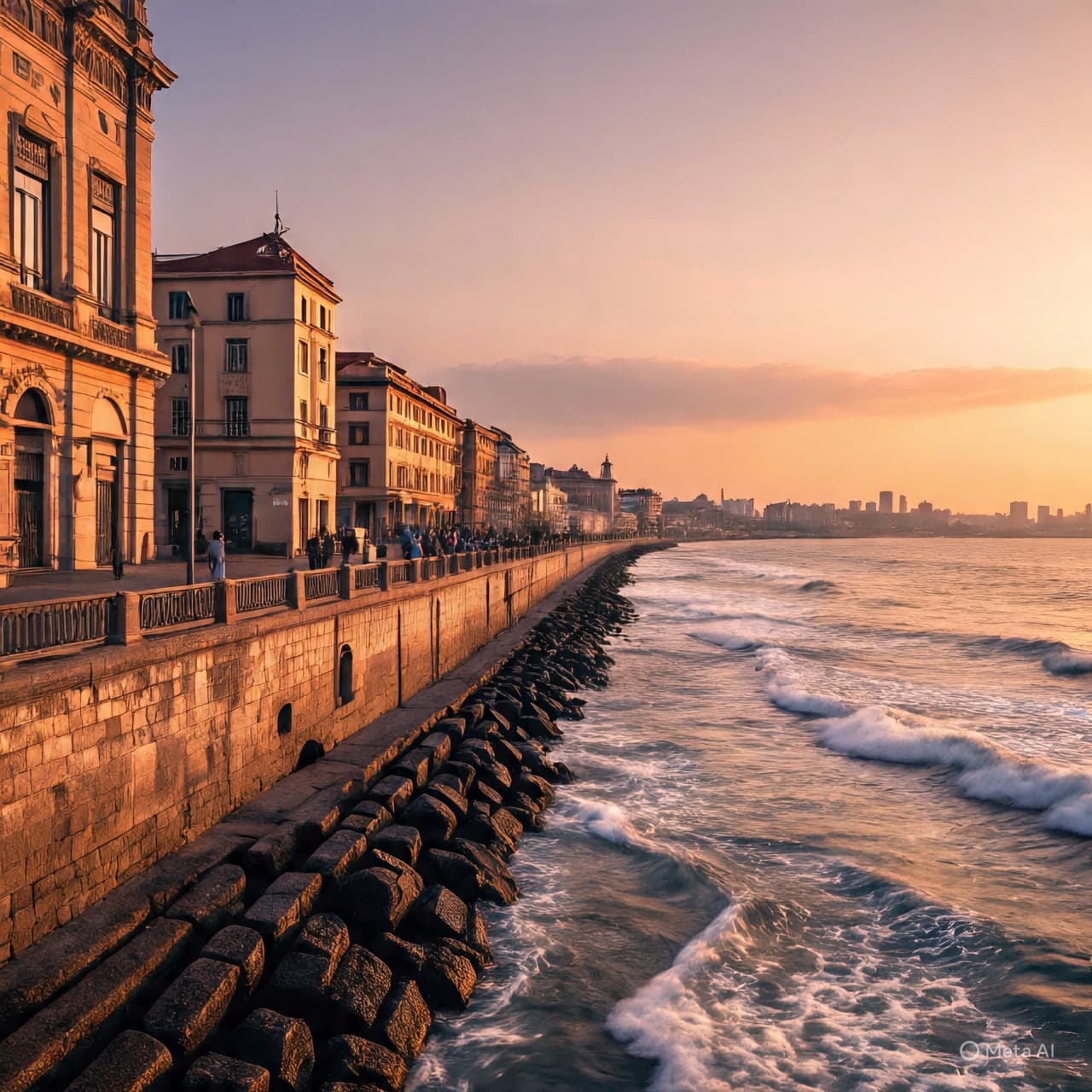
As dusk settles over Malecón, painting the sea with streaks of gold and shadow, the world outside feels simultaneously vast and immediate. The focus on Cuba is a reminder that even in the quietest corners, the tremors of geopolitics can arrive like tides: inexorable, persistent, and shaping the contours of life in ways that are felt long before they are fully understood.
AI Image Disclaimer Illustrations were created using AI tools and are not real photographs.
Sources Reuters BBC News Al Jazeera The Guardian Financial Times
Published by Banx Network. This article is part of the Banx decentralized media programme, powered by the BXE token on the XRP Ledger.