
Key Highlights
- Cuba's geopolitical significance is rising amid global tensions.
- U.S. policy shifts under Trump have renewed focus on the Caribbean.
- Local citizens feel the impact of international dynamics in daily life.
Cuba, a nation historically entwined in the complex web of global power dynamics, finds itself once again at the center of international attention. As the sun rises over Havana, the city awakens to a reality shaped by distant geopolitical currents. The recent focus from the United States, particularly during the Trump administration, has highlighted Cuba's strategic importance in the Caribbean, a region often overshadowed by crises in the Middle East and Eastern Europe.
The U.S. government's renewed interest in Cuba is not merely a matter of rhetoric; it reflects a broader strategy that recognizes the Caribbean as a critical theater for influence. Analysts suggest that the implications of this focus extend beyond diplomatic discussions, affecting trade routes, energy supplies, and military posturing. For the citizens of Havana and Santiago de Cuba, life continues with its usual rhythm, yet there is an undercurrent of anticipation as they navigate the complexities of their geopolitical reality.
In cafés and plazas, conversations hint at a growing awareness of the international dynamics at play. While daily routines may seem unchanged, the specter of foreign scrutiny looms large. The historical memory of Cuba's past entanglements with global powers adds layers of complexity to the current situation. The island's economic fragility, exacerbated by external pressures, makes the stakes even higher for its people.
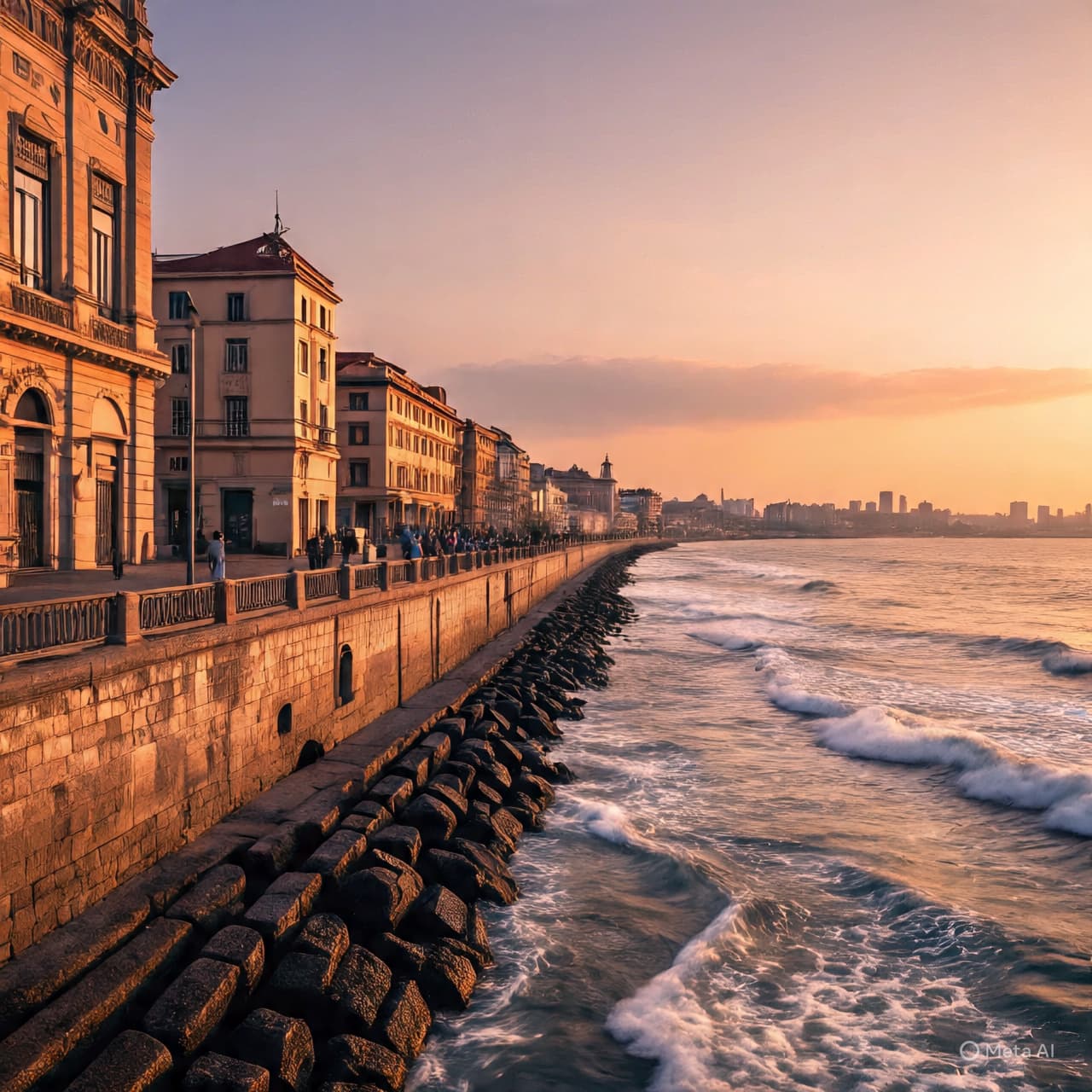
As the sun sets over the Malecón, casting golden hues across the water, the world outside Cuba feels both distant and immediate. The ongoing conflicts in West Asia and the shifting alliances in global politics serve as a reminder that even in the quietest corners of the world, the tremors of geopolitics can have profound effects. The implications of U.S. policy decisions resonate through the fabric of Cuban society, influencing everything from fuel imports to international aid.
Cuba's place in this evolving landscape is not just a matter of political strategy; it is about the lives of its citizens who must adapt to the changing tides of global influence. As the island navigates its path forward, the interplay of historical memory, economic challenges, and foreign interests will continue to shape its future. The ripples of these geopolitical shifts are felt long before they manifest in tangible changes, reminding us that the world is interconnected in ways that often go unnoticed until they reach our shores.
Published by Banx Network. This article is part of the Banx decentralized media programme, powered by the BXE token on the XRP Ledger.



