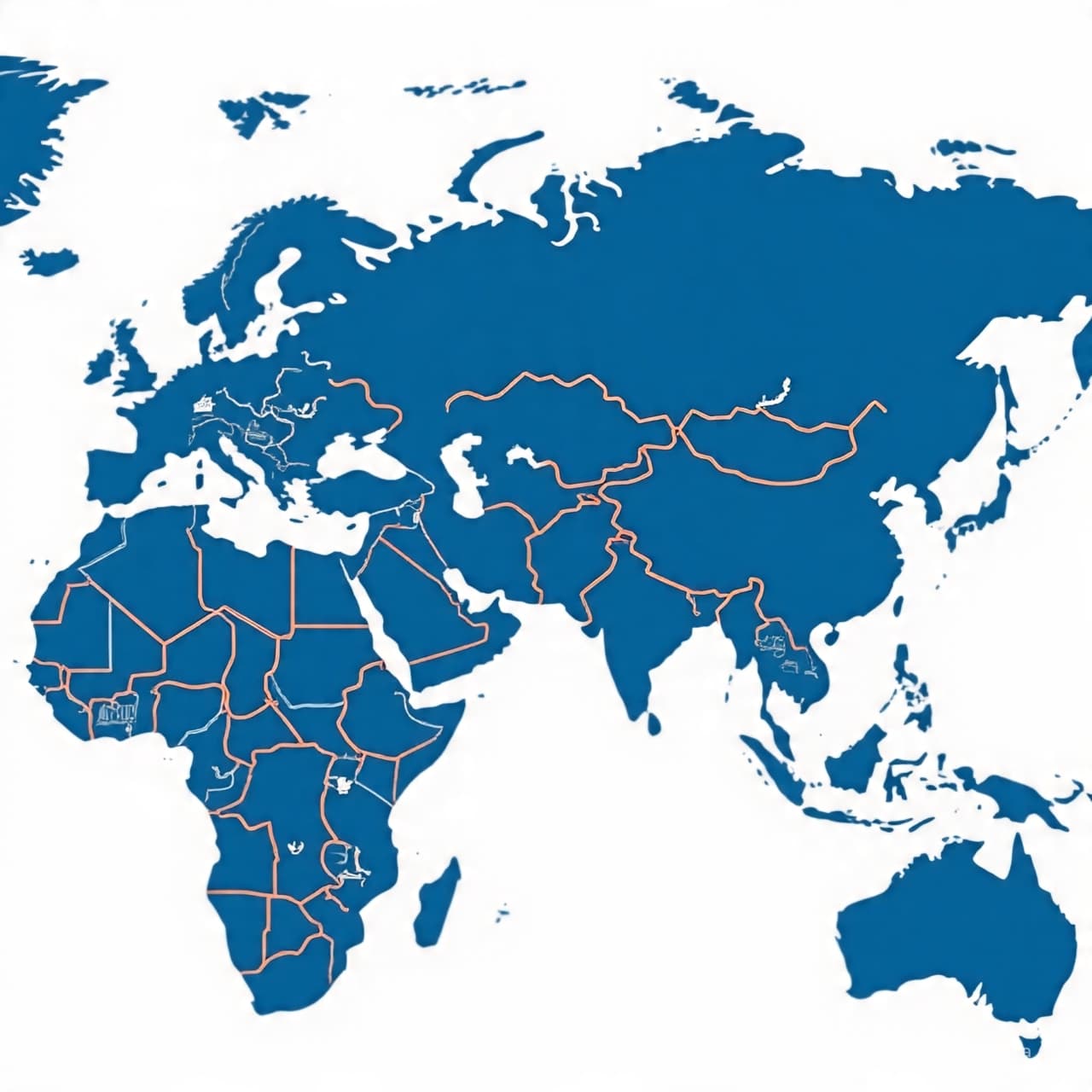
In the vast theater of international politics, wars rarely remain confined to the borders where they begin. Their consequences travel outward—through trade routes, diplomatic corridors, and the quiet calculations of distant capitals. Sometimes the shifts are subtle, unfolding not on battlefields but in markets, alliances, and the delicate geometry of global influence.
As the conflict involving Iran reverberates across the Middle East, one country observing the developments from a distance appears to have found an unexpected advantage: Russia. While the war itself unfolds far from Russian territory, the geopolitical currents stirred by the conflict have begun to move in ways that align with Moscow’s strategic interests.
The most immediate effect has been visible in global energy markets. Rising tensions across the Middle East, home to some of the world’s largest oil reserves and shipping routes, have pushed crude oil and natural gas prices higher. For Russia—one of the world’s largest energy exporters—this surge has translated into stronger revenues from oil and gas sales, strengthening a sector that remains central to its economy.
Energy markets have always been sensitive to instability in the Middle East. Even the possibility of disruptions to shipping routes, refineries, or pipelines can send prices climbing as traders anticipate tighter supply. In recent weeks, those expectations have once again lifted benchmark prices, providing Moscow with a financial boost at a time when Western sanctions continue to weigh on its economy.
Beyond the markets, the conflict has also shifted the diplomatic spotlight. As global attention turns toward the Middle East crisis, the war between Russia and Ukraine occupies a somewhat quieter space in international headlines. For Russian policymakers, such shifts in global focus can create breathing room in the diplomatic arena, even if the underlying conflict in Eastern Europe continues.
There are also strategic ties between Moscow and Tehran that shape how the developments are viewed in the Kremlin. Over the past several years, Russia and Iran have expanded cooperation in areas ranging from energy to military technology. While their partnership is pragmatic rather than identical in interests, both countries have found common ground in navigating tensions with Western governments.
Yet the notion of “winning” in geopolitics is rarely straightforward. Even as higher energy prices benefit Russia’s economy in the short term, prolonged instability in the Middle East carries risks for global markets and international security. Conflicts can evolve in unexpected directions, drawing in new actors or triggering economic shocks that reach far beyond their original theaters.
For now, analysts observing the early weeks of the Iran war note how quickly its consequences have spread across the wider international system. Oil markets react, diplomatic priorities shift, and governments recalibrate their strategies in response to unfolding events.
In Moscow, the view of the conflict may be shaped less by the explosions reported across Iranian cities than by the quieter indicators appearing on economic charts and diplomatic briefings. War, after all, alters the balance of global affairs in ways both visible and unseen.
As the situation continues to develop, Russia’s apparent early advantage may prove temporary or evolve into something more lasting. Much depends on how the conflict unfolds in the weeks ahead—whether it widens, stabilizes, or gives way to negotiations.
For now, the early currents of the crisis suggest a familiar truth of international politics: when war begins in one place, its consequences seldom remain there. They travel outward across the world, reshaping fortunes in ways that few can fully predict.
AI Image Disclaimer Visuals are AI-generated and serve as conceptual representations.
Sources Reuters The New York Times BBC Bloomberg Financial Times
Published by Banx Network. This article is part of the Banx decentralized media programme, powered by the BXE token on the XRP Ledger.