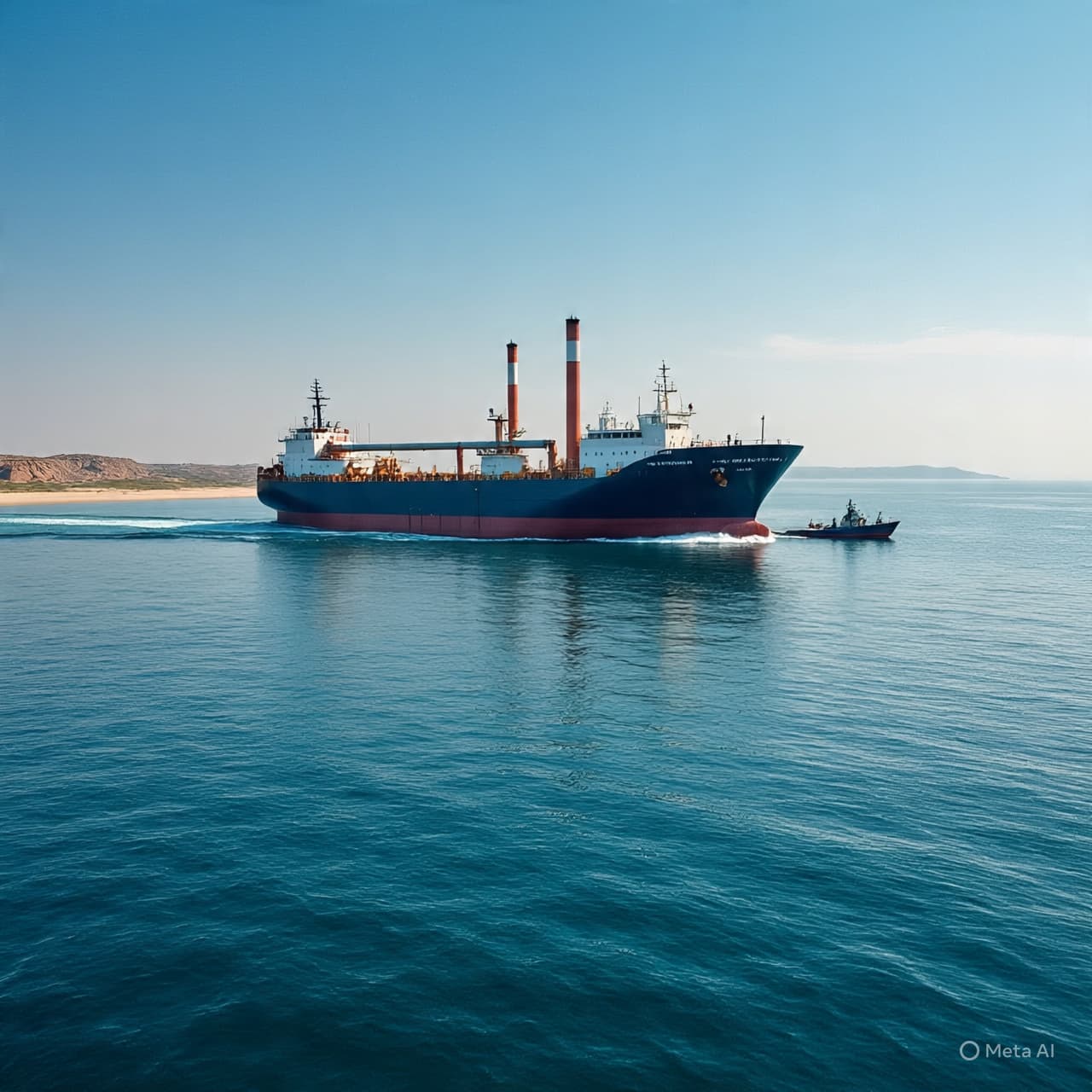
Across the wide blue stretch of the , oil tankers usually glide with quiet predictability. Their journeys are rarely noticed by the wider world, yet each voyage carries energy that powers cities, industries, and daily life across continents. The rhythm of this maritime corridor has long been steady, shaped by the constant exchange between desert oil fields and global markets.
But when tension touches these waters, the calm rhythm can shift quickly.
Recent reports of attacks on commercial vessels have stirred concern throughout the energy industry, pushing global oil prices sharply upward. The incidents, linked by several officials and analysts to actions involving , have raised fears about the safety of ships navigating one of the world’s most vital energy corridors.
The Persian Gulf serves as a central gateway for oil exports from several major producers. Tankers leaving ports in , , , and other Gulf states typically pass through the nearby , a narrow maritime passage that links the Gulf to global shipping routes.
Even small disruptions in this region can ripple quickly across international markets. Traders closely watch tanker movements, insurance rates, and geopolitical signals that might influence the steady flow of crude oil.
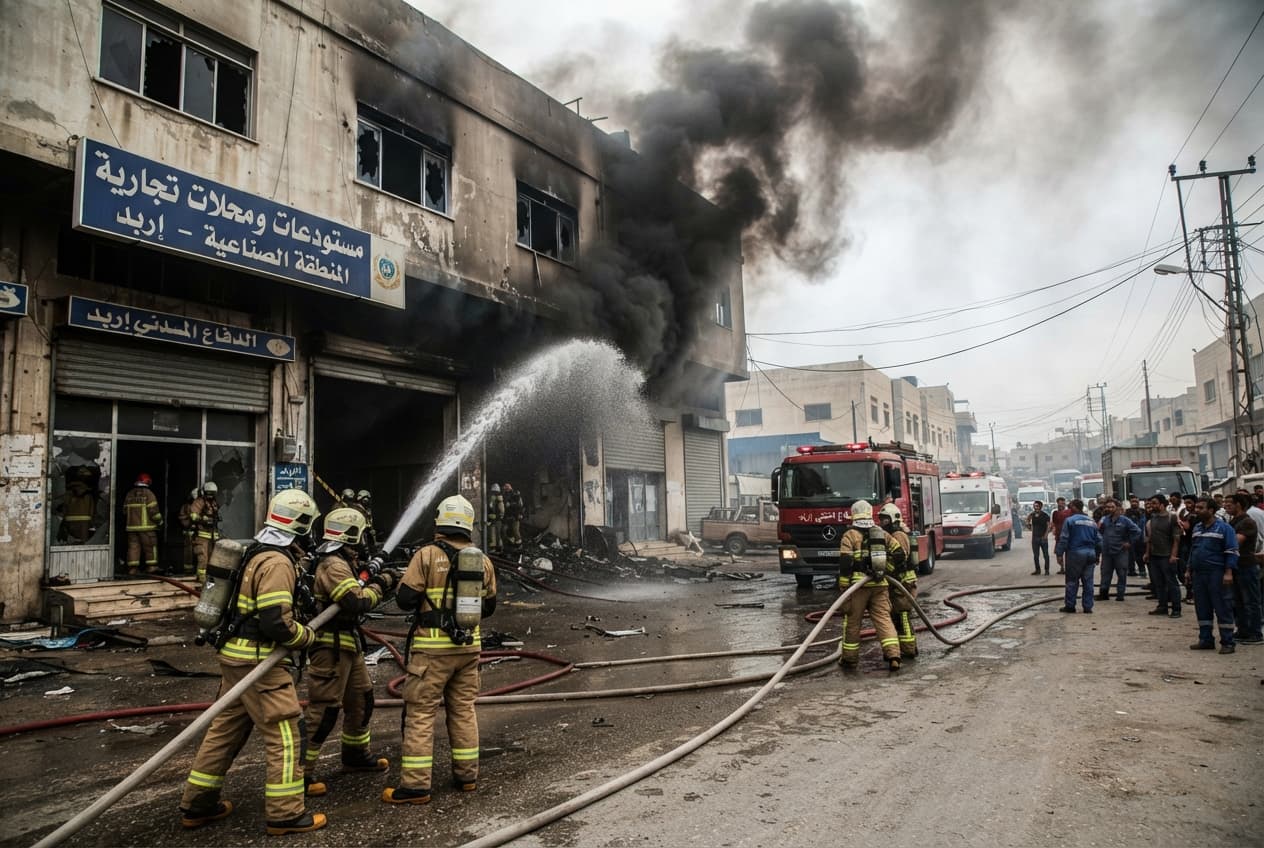
In recent days, shipping companies and maritime authorities have reported heightened security risks following attacks on vessels in the Gulf. Some tankers have altered their routes or delayed departures while insurers reassess the risks associated with navigating the region.
Energy markets reacted quickly. Oil prices rose as traders anticipated potential supply disruptions if attacks on shipping were to continue or expand. For many countries that rely on imported energy, even the possibility of reduced supply can influence prices well beyond the Middle East.
Iran has long held a strategic position in the Gulf, both geographically and politically. The country borders the northern edge of the Strait of Hormuz, giving it proximity to one of the world’s most critical energy chokepoints.
Over the years, tensions involving sanctions, regional rivalries, and maritime security have periodically placed the Gulf under intense international scrutiny. When incidents involving shipping occur, governments and markets alike tend to respond swiftly.
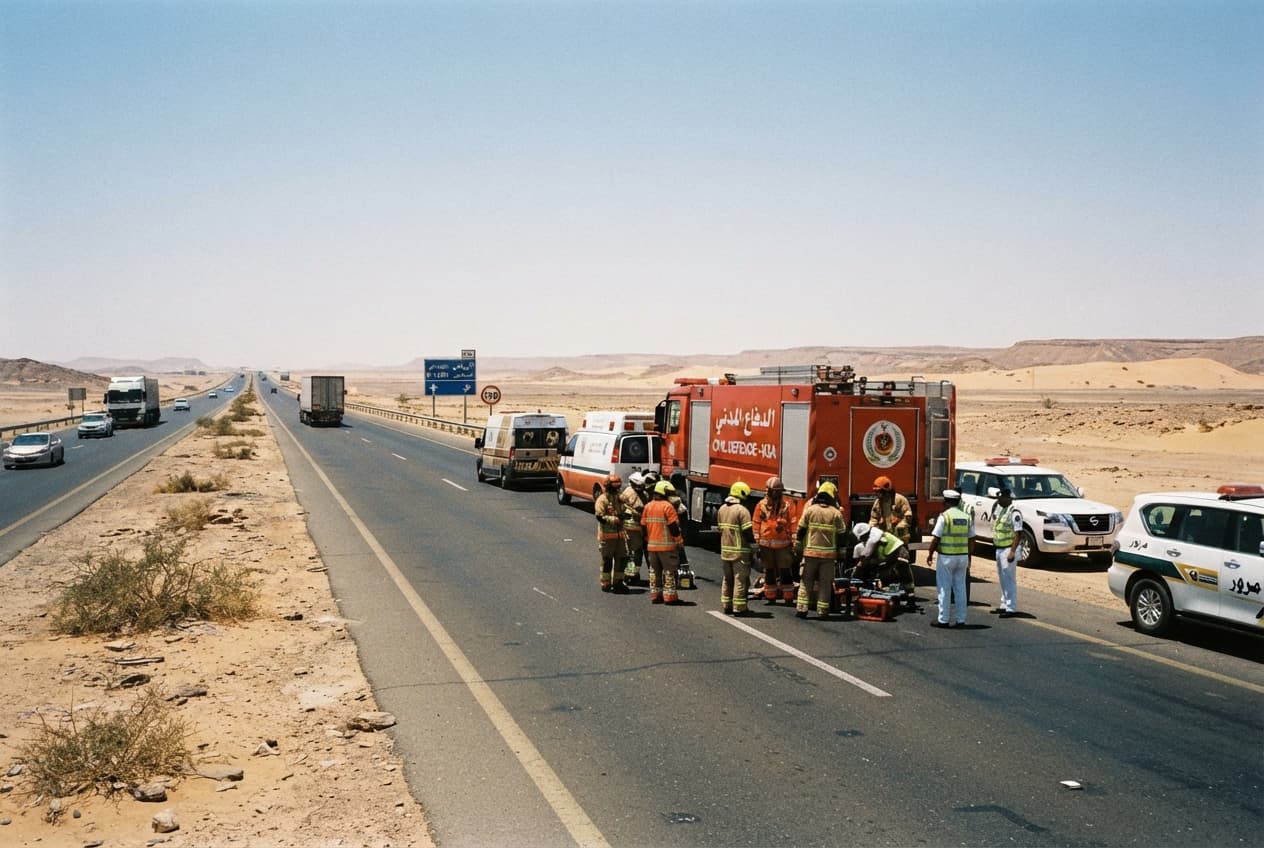
Naval patrols and maritime monitoring efforts have increased as authorities seek to ensure safe navigation for commercial vessels. International shipping lanes remain active, though operators are exercising greater caution amid the uncertain security environment.
For oil markets, the events underscore a familiar reality: global energy stability is closely tied to the safety of a handful of strategic routes. When those routes face disruption, the effects can travel far beyond the region’s shores.
Yet even as prices climb and tensions remain high, tankers continue to cross the Gulf’s waters. Their presence reflects both the resilience and vulnerability of the global energy system—an intricate network that depends on ships moving steadily through narrow passages of sea.
As governments monitor developments and diplomatic efforts continue behind the scenes, the trajectory of oil prices may depend on how quickly stability returns to the shipping lanes of the Persian Gulf.
For now, the world’s attention remains fixed on those waters where geopolitics, commerce, and energy converge.
AI Image Disclaimer Images in this article are AI-generated illustrations, meant for concept only.
Sources Reuters Bloomberg CNBC Financial Times Al Jazeera
Published by Banx Network. This article is part of the Banx decentralized media programme, powered by the BXE token on the XRP Ledger.