
Key Highlights
- Oil prices have surged sharply due to recent shipping attacks in the Persian Gulf.
- The incidents have raised concerns about the safety of maritime routes crucial for global energy supply.
- Increased naval patrols and heightened security measures are being implemented to protect commercial vessels.
Recent attacks on commercial vessels in the Persian Gulf have sent shockwaves through the energy markets, leading to a significant rise in oil prices. These incidents, attributed to escalating tensions in the region, have raised alarms about the safety of one of the world's most critical maritime corridors for oil transport. The Persian Gulf is a vital route for oil exports from major producers, and any disruption can have far-reaching implications for global energy supply.
The Strait of Hormuz, a narrow passage that connects the Persian Gulf to the Arabian Sea, is particularly significant as it is a chokepoint for oil shipments. Approximately 20% of the world's oil passes through this strait, making it a focal point for geopolitical tensions. Recent reports indicate that shipping companies are altering routes and delaying departures in response to the heightened risks, as insurers reassess the potential dangers of navigating these waters.
In the wake of these attacks, oil prices have reacted swiftly, with traders anticipating potential supply disruptions. The fear of reduced oil supply has led to increased volatility in the markets, affecting not only countries in the Middle East but also those reliant on imported energy. The ripple effects of these incidents underscore the interconnectedness of global energy markets and the sensitivity to geopolitical developments.
Iran's strategic position in the Gulf complicates the situation further. The country has historically been involved in regional conflicts and has a vested interest in controlling maritime routes. As tensions rise, the international community is closely monitoring developments, with naval patrols and maritime security measures being ramped up to ensure safe passage for commercial vessels.
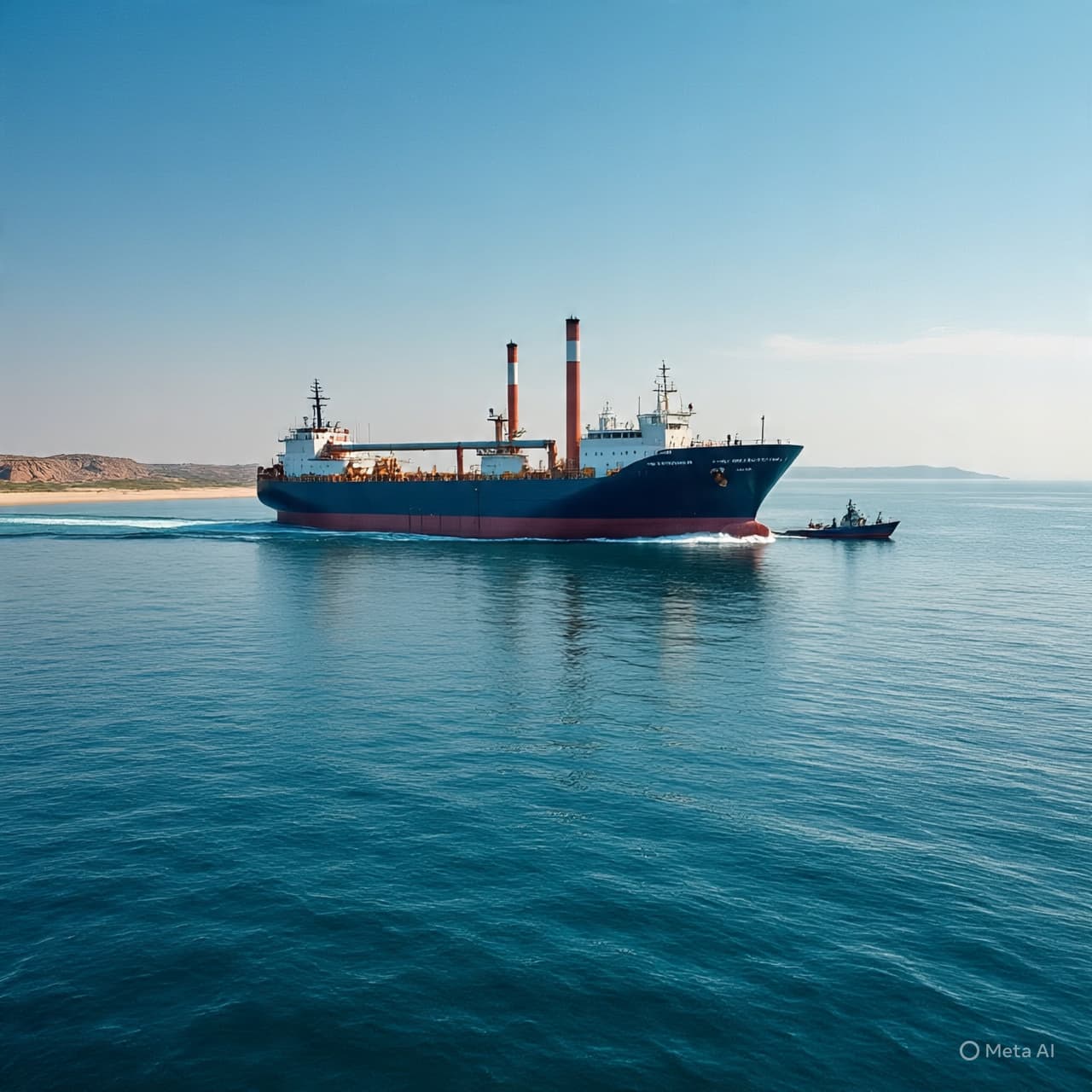
Despite the rising tensions and climbing oil prices, tankers continue to navigate the Gulf. This ongoing activity reflects both the resilience of the global energy system and its vulnerability to geopolitical shifts. The intricate network of energy supply relies heavily on the safe passage of ships through narrow maritime routes, and any disruption can have significant consequences.
As governments and international organizations work behind the scenes to stabilize the situation, the trajectory of oil prices will depend on how quickly normalcy can be restored to the shipping lanes of the Persian Gulf. For now, the world watches closely as the intersection of geopolitics, commerce, and energy unfolds in these critical waters.
Published by Banx Network. This article is part of the Banx decentralized media programme, powered by the BXE token on the XRP Ledger.



