
Key Highlights
- Russian oil tanker docks in Havana, marking a shift in energy dynamics.
- U.S. policy adjustments allow for increased Russian influence in Cuba.
- The arrival signifies broader geopolitical implications for the Caribbean region.
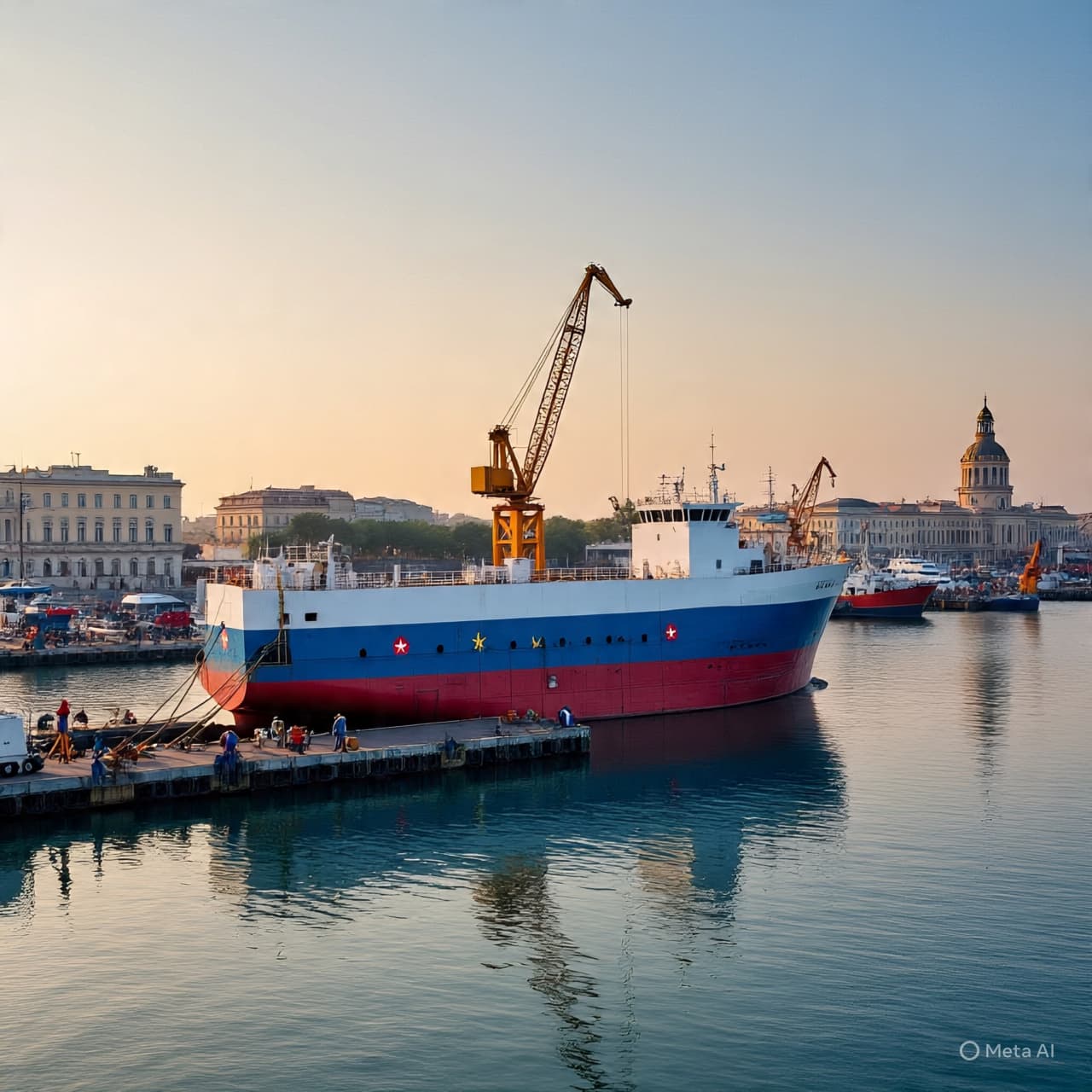
The arrival of a Russian oil tanker in Havana’s harbor has marked a significant moment in the shifting dynamics of international relations and energy supply in the Caribbean. As the vessel glided into port, it not only brought much-needed oil to Cuba but also highlighted the evolving stance of the United States regarding its long-standing blockade policies. This event comes at a time when global energy markets are particularly sensitive, and the implications of such a delivery extend far beyond the immediate logistical relief it provides.
The tanker’s docking is emblematic of a broader geopolitical narrative. Analysts suggest that recent adjustments in U.S. enforcement of its sanctions have allowed for this shipment, which would have faced significant hurdles just weeks prior. The oil it carries is crucial for bolstering Cuba’s energy reserves, alleviating immediate concerns for the island nation that has long struggled with energy shortages. This development underscores the intricate interplay of strategy, diplomacy, and commerce that defines the current geopolitical landscape.
Cuba, historically adept at navigating international pressures, now finds itself in a delicate position between necessity and strategy. The arrival of the Russian tanker not only addresses pressing energy needs but also serves as a reminder of the complex relationships that exist between distant capitals. For Havana, the harbor has become a stage where international decisions manifest in tangible outcomes, affecting daily life for its citizens.
The softening of U.S. policy under the previous administration reflects a pragmatic approach to foreign relations, allowing for exceptions that signal a willingness to engage without fully abandoning core principles. Moscow’s swift coordination to capitalize on these openings illustrates its intent to reinforce its influence in the region, further complicating the already intricate web of international relations.
As the tanker is unloaded, the human elements of this operation come to the forefront. Dockworkers and crane operators engage in the meticulous transfer of cargo, their actions a vital part of the larger geopolitical narrative. These everyday activities remind us that behind every policy decision are real people whose lives are affected by the ebb and flow of international diplomacy.
The economic implications of this delivery extend beyond immediate energy relief. For Cuba, enhanced energy supplies promise to stabilize industries, hospitals, and households, creating a ripple effect that underscores the inseparability of diplomacy and logistics. Each liter of fuel and each kilowatt-hour generated is a testament to the decisions made far from the shores of Cuba, illustrating the interconnectedness of global energy markets.
For Russia, the successful docking of the tanker reinforces its narrative of reliability and global reach in energy supply. As nations grapple with sanctions and scarcity, Moscow’s ability to deliver under challenging conditions showcases its strategic foresight and resilience. This event serves as a reminder that energy remains a powerful tool of influence in international relations, capable of shaping alliances and rivalries alike.
As the sun sets over Havana, the harbor returns to its usual rhythm, yet the currents of strategy and circumstance continue to flow beneath the surface. The arrival of a single tanker may seem like a minor event, but it encapsulates the broader interplay of nations, influence, and necessity in our increasingly interconnected world.
Published by Banx Network. This article is part of the Banx decentralized media programme, powered by the BXE token on the XRP Ledger.



