

In the soft glow of morning across global financial hubs, there is a quiet unease that seems almost tangible, like the low hum before a storm. Traders sip coffee and scan screens, while across continents, executives and analysts adjust strategies in muted offices. The storm they anticipate is not meteorological but economic—a convergence of pressures that trace back to the Strait of Hormuz, rising inflation, and the Federal Reserve’s latest maneuvers.
The narrow waterway has long been a lifeline for global oil, and today it looms larger in investor consciousness. Tensions in the region suggest the possibility of disruptions, reminding markets that geopolitical uncertainty can translate swiftly into tangible consequences: fuel costs, shipping delays, and cascading impacts on commodities worldwide. Inflation, meanwhile, has become a persistent shadow on household budgets and corporate balance sheets alike. Prices creep upward, quietly altering consumption, wages, and expectations. Overlaying these forces is the Federal Reserve’s monetary stance—a delicate dance of interest rates and policy signals designed to temper excess while fostering growth, yet inevitably creating friction in financial markets.
Investors, caught in this convergence, recalibrate positions daily. Bonds wobble under renewed risk aversion, equities shift with global sentiment, and currencies respond to subtle indications from central banks. Each data point, each headline, is a reminder that the economic environment is not static; it flows like a river whose course can change abruptly with a distant tremor. Yet, amid this turbulence, there is resilience. Corporations hedge, policymakers confer, and individuals adapt, guided by experience, foresight, and the slow accumulation of knowledge about how markets breathe and recover.
The perfect storm of Hormuz, inflation, and Fed policy underscores a broader truth: economies are living systems, sensitive to pressure points yet capable of recalibration. As the day unfolds and news continues to ripple across screens and trading floors, the world watches, navigates, and adjusts, aware that while no storm lasts forever, the echoes it leaves can shape behavior, expectations, and decisions long after the winds have passed.
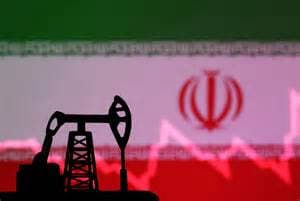
AI Image Disclaimer Illustrations were created using AI tools and are not real photographs.
Sources Bloomberg Reuters Financial Times Wall Street Journal International Monetary Fund
Published by Banx Network. This article is part of the Banx decentralized media programme, powered by the BXE token on the XRP Ledger.


.jpg&w=3840&q=75 "India Says First Phase of U.S. Trade Deal Is Nearly Done, Seeks Edge Over Rivals")